
Sewer Line Replacement Cost Estimate Toronto 2026
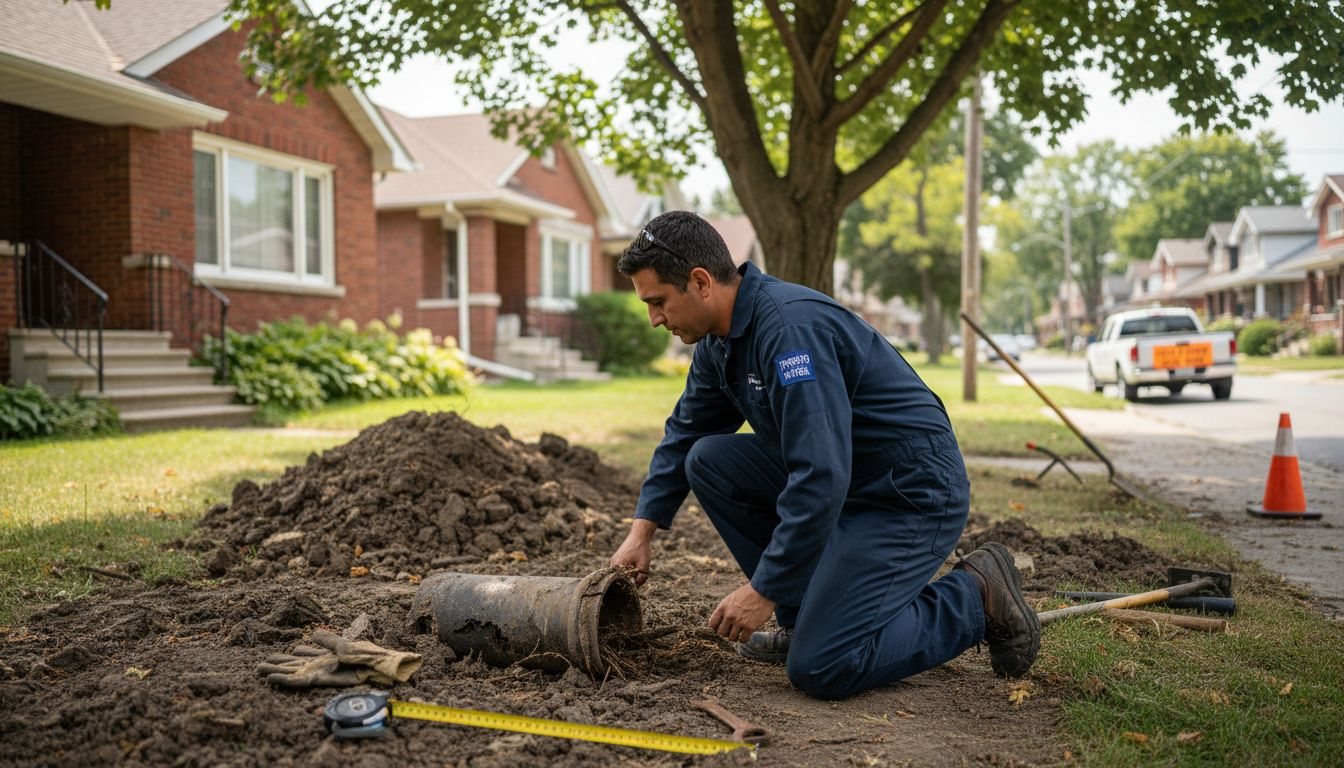
Toronto homeowners face tough decisions when aging sewer lines threaten property and peace of mind. A single unexpected break can lead to expensive repairs and messy disruption, especially with Canadian soil conditions and strict municipal rules. Understanding the differences between repair methods and actual replacement costs helps you plan smarter. This guide breaks down modern techniques, local regulations, and essential cost factors so you can approach your sewer line replacement with confidence.
Table of Contents
- What Is Sewer Line Replacement?
- Types of Sewer Line Replacement Methods
- Factors Influencing Sewer Line Replacement Costs
- Permit Requirements and Regulations in Toronto
- Comparing Trenchless and Traditional Replacement
- Common Mistakes in Cost Estimation
Key Takeaways
| Point | Details |
|---|---|
| Sewer Line Replacement Methods | Homeowners have options like Full Pipe Replacement, Pipe Relining, and Spot Repair, each suited for varying degrees of damage. Choosing the right method can minimise disruption and costs. |
| Cost Influencers | Factors such as Pipe Length, Repair Method, Depth, and Soil Conditions significantly affect replacement costs, especially in urban areas like Toronto. Understanding these can help in budget planning. |
| Permit Requirements | Navigating municipal regulations is crucial for sewer line replacement. Homeowners must be aware of the necessary permits, which often require detailed documentation and compliance with safety standards. |
| Inspection Importance | Conducting a thorough sewer camera inspection can accurately identify issues and inform the decision-making process regarding repair methods, ultimately saving time and costs. |
What Is Sewer Line Replacement?
Sewer line replacement is a critical home maintenance process that involves renewing or repairing the underground pipes responsible for transporting wastewater from your home to the municipal sewer system. Sewer lines are essential underground infrastructure that carry all liquid waste from toilets, sinks, showers, and appliances away from your property.
This comprehensive process can involve several techniques, depending on the specific damage and condition of your existing pipes. Homeowners might need a full replacement, which means excavating and removing the entire damaged pipe, or a less invasive pipe relining method that repairs the existing pipe from the inside. The key objectives are always the same: restore proper waste transportation, prevent environmental contamination, and protect your property from potential structural damage.
There are three primary types of sewer line replacements in the Toronto area:
- Full Pipe Replacement : Complete removal and installation of a new underground pipe
- Pipe Relining : Inserting a new pipe liner inside the existing damaged pipe
- Spot Repair : Fixing specific damaged sections without full pipe replacement
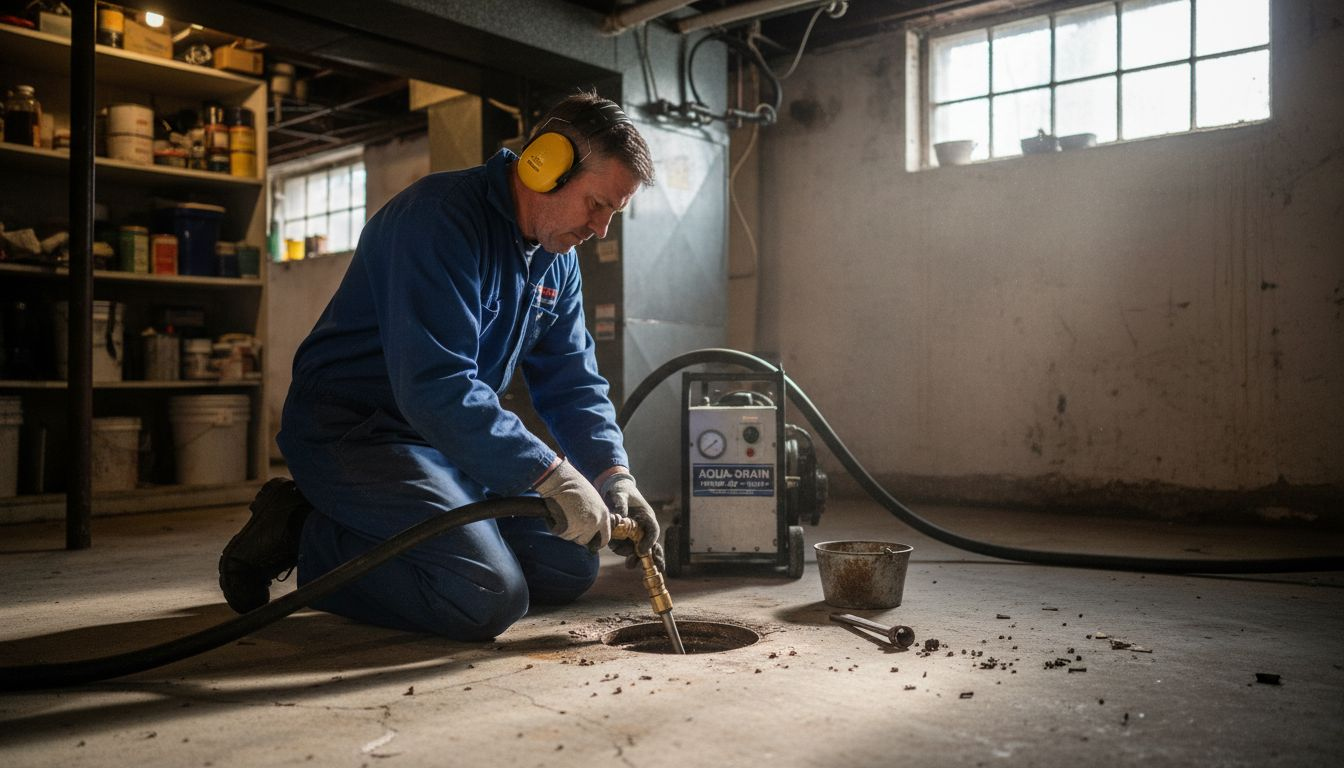
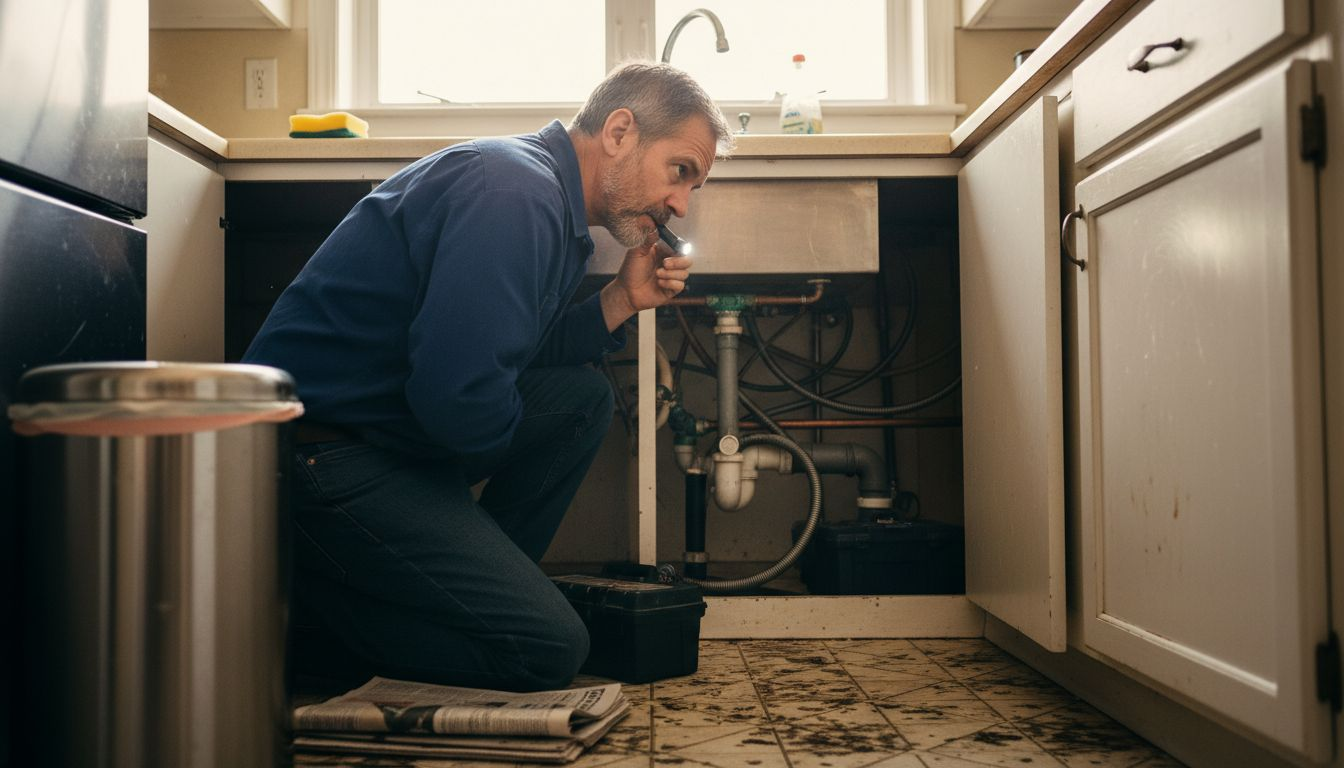
Modern sewer line replacement techniques have significantly evolved, allowing for more precise, less disruptive solutions. Technicians now use advanced technologies like sewer camera inspections to precisely diagnose issues, minimizing unnecessary excavation and reducing overall replacement costs. These diagnostic tools help pinpoint exactly where problems exist, whether it’s due to tree root intrusion, pipe corrosion, ground shifting, or age-related deterioration.
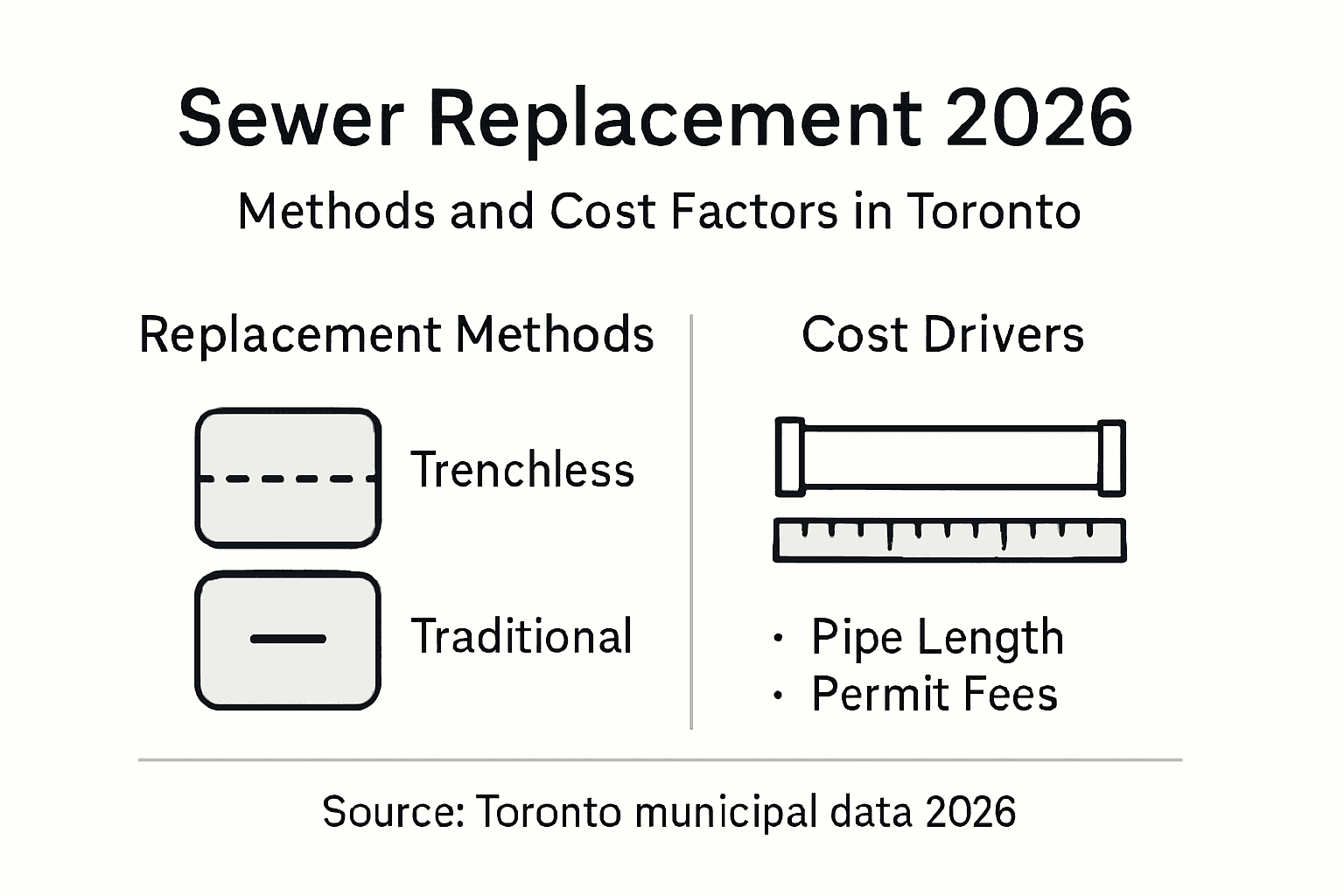
Pro tip: Always request a detailed sewer camera inspection before committing to a full replacement to understand the exact scope of your sewer line damage and potential repair options.
Types of Sewer Line Replacement Methods
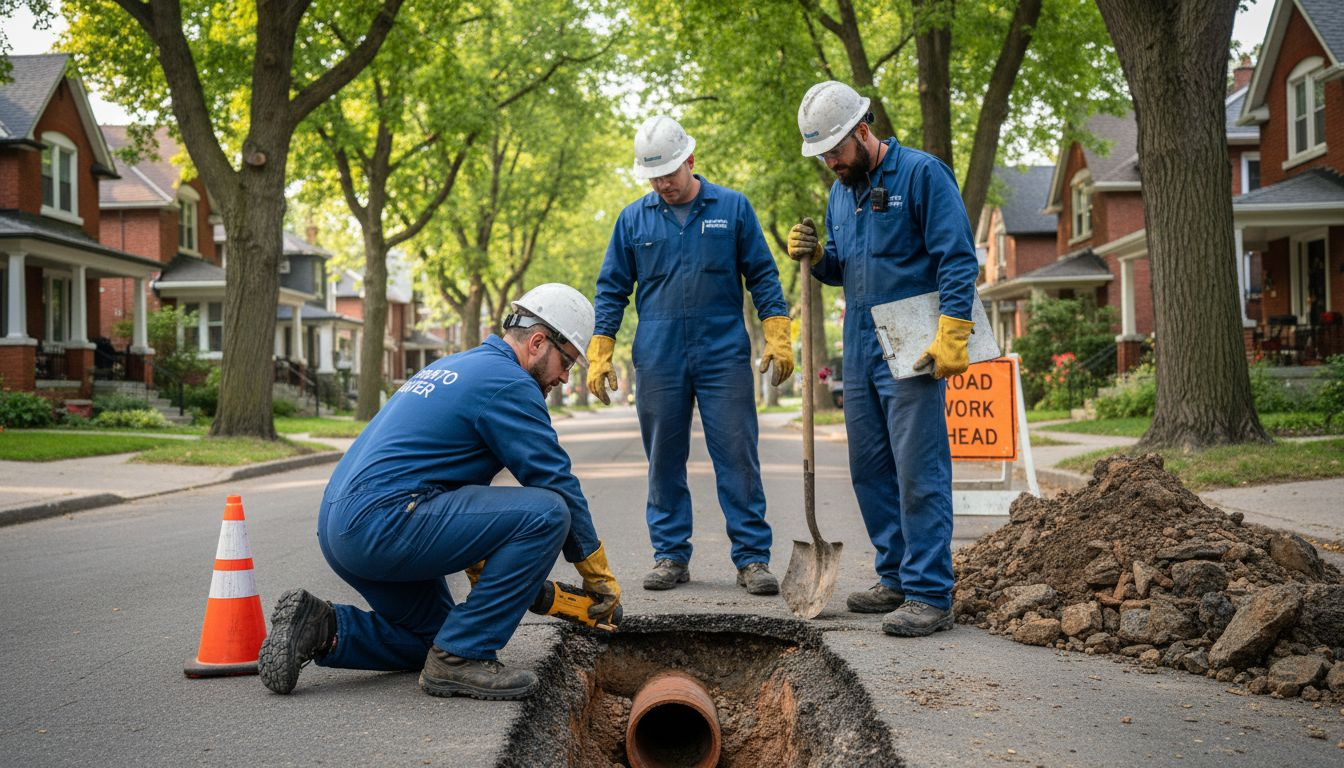
Sewer line replacement methods have significantly evolved, offering Toronto homeowners multiple approaches to address underground pipe damage. The primary techniques include open trenching , pipe bursting , and pipe relining , each designed to solve specific infrastructure challenges while minimizing property disruption.
Open Trenching remains the most traditional method of sewer line replacement. This technique involves completely excavating the existing pipe by digging a trench along its entire length. While highly invasive, open trenching provides a comprehensive solution for severely damaged pipes, allowing technicians to fully inspect and replace underground infrastructure. Homeowners typically choose this method when pipes have extensive structural damage or when multiple sections require complete renewal.
Alternative methods provide less disruptive options for sewer line restoration:
- Pipe Bursting : Involves fracturing the existing damaged pipe while simultaneously pulling a new pipe into place
- Pipe Relining : Inserts a flexible, resin-coated liner inside the existing pipe, creating a new structural layer
- Spot Repair : Targets and fixes specific damaged sections without full pipe replacement
Modern water service upgrades have transformed sewer line replacement techniques. Advanced technologies like sewer camera inspections allow technicians to precisely diagnose issues, select the most appropriate replacement method, and minimize unnecessary excavation. These diagnostic tools help determine whether a full replacement is needed or if less invasive techniques can effectively address the underlying problems.
Pro tip: Always request a comprehensive sewer camera inspection before selecting a replacement method to ensure you choose the most cost-effective and minimally invasive solution for your specific pipe infrastructure.
Here’s how the main sewer line replacement methods differ in terms of disruption and repair scope:
| Method | Property Impact | Ideal Use Case |
|---|---|---|
| Open Trenching | Major excavation required | Severely damaged or old pipes |
| Pipe Bursting | Minimal surface disruption | Upgrading deteriorated piping |
| Pipe Relining | Least disturbance overall | Minor cracks or root intrusion |
| Spot Repair | Very localised disruption | Isolated pipe damage |
Factors Influencing Sewer Line Replacement Costs
Sewer line replacement costs in Toronto are influenced by a complex interplay of technical, geographical, and infrastructure-related factors. Homeowners facing potential sewer line repairs must understand the key variables that can significantly impact their overall project expenses, ranging from pipe material and damage extent to local municipal regulations and accessibility challenges.

The primary cost determinants include the length of pipe requiring replacement , the method of repair , and the specific location of the damaged infrastructure . Urban settings like Toronto present unique challenges, with dense underground utility networks and stringent municipal regulations adding complexity to replacement projects. Signs of potential sewer drain damage can help homeowners anticipate and budget for potential replacement needs before catastrophic failures occur.
Key factors that directly influence sewer line replacement costs include:
- Pipe Length : Longer sections require more materials and labour
- Repair Method : Trenchless techniques are often more expensive but less invasive
- Depth of Pipes : Deeper installations demand more complex excavation
- Soil Conditions : Rocky or challenging terrain increases labour and equipment costs
- Accessibility : Obstacles like landscaping, concrete surfaces, or building foundations
- Pipe Material : Different materials have varying replacement complexities
Additional cost considerations involve municipal permits, required inspections, and potential landscaping restoration. Urban areas like Toronto typically experience higher replacement costs due to complex underground infrastructure, stricter building codes, and the need for specialized equipment and expertise. Professional technicians must navigate these challenges while minimizing disruption to surrounding property and underground utilities.
Pro tip: Request detailed underground utility mapping and a comprehensive sewer camera inspection before starting your replacement project to accurately estimate potential costs and avoid unexpected complications.
Key factors can alter the total cost and complexity of sewer line replacement in Toronto:
| Factor | Influence on Cost | Typical Toronto Challenge |
|---|---|---|
| Pipe Depth | Deep pipes raise labour expense | Older, multi-level infrastructures |
| Soil Conditions | Rocky soil increases effort | Extensive urban fill and clay |
| Accessibility | Hard-to-reach areas cost more | Mature landscaping, narrow lots |
| Permit Requirements | Additional fees and delays | Stringent local codes |
Permit Requirements and Regulations in Toronto
Sewer line replacement in Toronto is governed by a comprehensive set of municipal and provincial regulations designed to ensure infrastructure safety, environmental protection, and proper construction standards. Homeowners must navigate a complex landscape of permit requirements that involve multiple municipal departments and stringent compliance protocols before initiating any underground infrastructure work.
The Consolidated Linear Infrastructure Environmental Compliance Approval (CLI ECA) program , effective June 2025, mandates detailed documentation and approval processes for sewer line replacements. Understanding plumbing code basics becomes crucial for homeowners to successfully navigate these regulatory requirements and ensure their sewer line replacement project meets all legal standards.
Key permit requirements in Toronto include:
- Submission of detailed project drawings and technical specifications
- Compliance with Ontario Building Code standards
- Environmental impact assessments for infrastructure modifications
- Proof of professional engineering certification
- Detailed site plans showing existing and proposed underground infrastructure
- Confirmation of zoning law compatibility
The permit application process involves rigorous scrutiny from multiple municipal departments. Homeowners must provide comprehensive documentation demonstrating their proposed sewer line replacement meets safety, structural, and environmental regulations. Inspections are typically required before, during, and after construction to verify compliance with municipal standards and ensure the work does not compromise existing underground infrastructure or environmental protections.
Pro tip: Consult a licensed plumbing professional familiar with Toronto’s municipal regulations to help streamline your permit application and avoid potential project delays.
Comparing Trenchless and Traditional Replacement
Homeowners in Toronto face critical decisions when addressing sewer line infrastructure, with traditional excavation and trenchless replacement representing two primary approaches to addressing underground pipe damage. Each method offers unique advantages and challenges, requiring careful consideration of factors like property layout, pipe condition, and budget constraints.
Traditional replacement, also known as open-cut excavation , involves completely digging up and removing the existing damaged pipe. This method provides direct visual inspection of the entire pipe system and allows for comprehensive repairs. Drain replacement excavation becomes necessary when pipes have extensive structural damage or when complete pipe replacement is required, offering a thorough but more disruptive solution.
Key differences between trenchless and traditional replacement methods include:
- Excavation Impact : Traditional methods require significant ground disturbance
- Cost Considerations : Trenchless techniques often have higher initial expenses
- Repair Time : Traditional replacement typically takes longer to complete
- Property Disruption : Trenchless methods minimize landscaping and surface damage
- Pipe Condition Suitability : Some pipe damages require specific repair approaches
Trenchless replacement techniques like Cured-in-Place Pipe (CIPP) renewal offer significant advantages, potentially reducing environmental and social costs by up to 90%. These methods involve inserting a flexible resin-coated liner into existing pipes, creating a new pipe structure without extensive excavation. While initial costs may be higher, the long-term benefits include minimal property disruption, reduced restoration expenses, and faster project completion.
Pro tip: Request a comprehensive sewer camera inspection to determine which replacement method best suits your specific pipe condition and property characteristics.
Common Mistakes in Cost Estimation
Homeowners often underestimate the complexity of sewer line replacement cost estimation, falling into predictable traps that can lead to significant financial surprises. Cost estimation for underground infrastructure repairs involves multiple variables that require careful, systematic analysis to avoid potential budgetary pitfalls.
The most prevalent mistakes in sewer line replacement cost estimation stem from incomplete scope definition and unrealistic assumptions about project complexity. Understanding common pipe materials becomes crucial in developing accurate cost projections, as the specific infrastructure characteristics dramatically impact overall replacement expenses.
Key mistakes homeowners frequently make during cost estimation include:
- Incomplete Scope Assessment : Failing to conduct comprehensive pipe condition evaluations
- Underestimating Indirect Costs : Overlooking permit fees, landscaping restoration, and potential property damage
- Ignoring Risk Contingencies : Not allocating budget for unexpected complications
- Relying on Outdated Price Information : Using old cost estimates that don’t reflect current market rates
- Neglecting Long-term Maintenance Costs : Focusing solely on immediate replacement expenses
Professional cost estimation requires a holistic approach that goes beyond surface-level calculations. Homeowners should consider full life cycle costs, including potential future maintenance, material durability, and the long-term performance of different replacement techniques. Advanced cost estimation involves detailed risk analysis, thorough site assessments, and a comprehensive understanding of local infrastructure challenges specific to Toronto’s unique geological and municipal context.
Pro tip: Always budget an additional 15-20% above initial estimates to cover unexpected complications and potential hidden infrastructure issues.
Take Control of Your Sewer Line Replacement Costs Today
Facing sewer line replacement challenges in Toronto can feel overwhelming. You are navigating complex factors like repair methods, permit regulations, and hidden costs that can quickly escalate your budget. Whether you are considering trenchless solutions or traditional open trenching, it is critical to get an accurate assessment and clear pricing upfront to avoid surprises.
DrainWorks Plumbing brings over 30 years of trusted experience to help you manage sewer line upgrades professionally and transparently. We use advanced sewer camera inspections and modern techniques to pinpoint exact issues and recommend cost-effective solutions tailored to your property. With clear upfront pricing and no hidden fees, we protect your investment and peace of mind every step of the way.

Don’t wait until a minor sewer problem becomes a costly emergency. Start with a precise cost estimate and expert guidance now by visiting DrainWorks Plumbing. Learn more about our comprehensive services including water service upgrades and drain replacement excavation to keep your home safe and functioning. Contact us today to schedule your inspection and receive a reliable, no-obligation replacement estimate tailored specifically for Toronto homeowners.
Frequently Asked Questions
What are the primary factors that influence sewer line replacement costs?
Costs are influenced by factors such as pipe length, repair method, pipe depth, soil conditions, accessibility, and pipe material. Additionally, municipal permits and inspections can add to the overall expense.
How do different sewer line replacement methods affect costs?
Traditional methods like open trenching are typically more invasive and costly due to extensive excavation, while trenchless methods like pipe bursting or pipe relining may have higher initial expenses but reduce property disruption and long-term restoration costs.
Why is a sewer camera inspection important before replacement?
A sewer camera inspection helps diagnose the specific issues within the sewer line. This information allows homeowners to choose the most cost-effective and minimally invasive repair method, potentially avoiding unnecessary full replacements.
What common mistakes should homeowners avoid when estimating sewer line replacement costs?
Homeowners should avoid incomplete scope assessments, underestimating indirect costs, ignoring risk contingencies, relying on outdated price information, and neglecting long-term maintenance costs when estimating replacement expenses.
Recommended