
Collapsed Sewer Line Repair Cost in Toronto
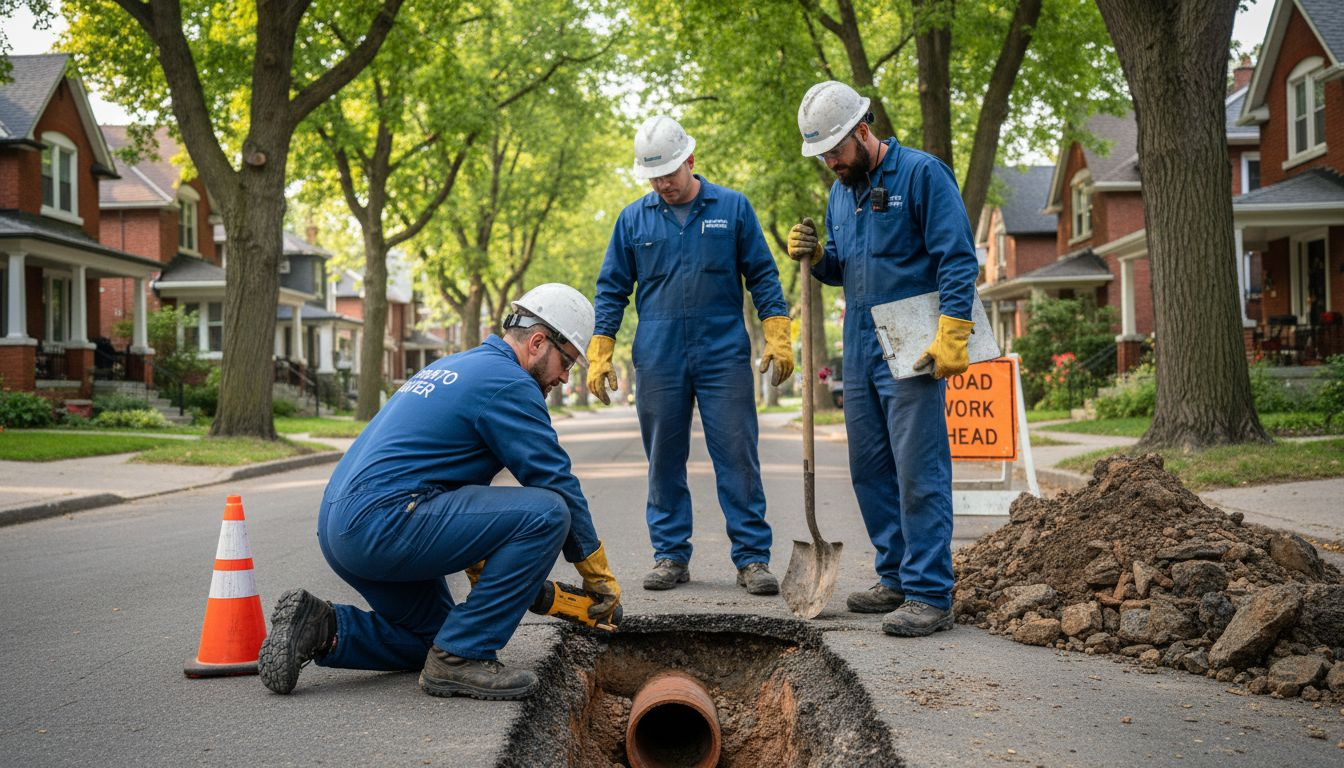
Unexplained sewage odours and stubborn slow drains can quickly turn everyday life in Toronto upside down. With older homes at risk and pipes buried deep underground, many find themselves facing a collapsed sewer line before they realise it. Acting early is key to avoiding expensive repairs and property damage. This guide sheds light on what causes sewer line failure, highlights warning signs, and offers practical cost-saving tips for homeowners seeking a fair deal from a reliable local plumber.
Table of Contents
- What Is A Collapsed Sewer Line?
- Common Causes And Warning Signs
- Repair Methods And Process Explained
- Average Costs And Key Cost Factors
- How To Choose The Right Plumber
- Hidden Fees And Cost-Saving Tips
Key Takeaways
| Point | Details |
|---|---|
| Collapsed Sewer Lines | A collapsed sewer line is a severe plumbing failure that prevents wastewater drainage, often caused by age, root intrusion, or soil conditions. Immediate professional attention is required to mitigate damage. |
| Warning Signs | Homeowners should watch for indicators like recurring sewer backups, foul odours, slow drainage, and unusual gurgling sounds, which signal potential sewer line issues. |
| Repair Methods | Common repair strategies include pipe bursting, and traditional excavation, each varying in cost, disruption level, and durability. |
| Cost Considerations | Sewer line repairs can vary widely in cost, from $2,000 for minor fixes to over $25,000 for full replacements, influenced by factors such as the repair method, pipe material, and local regulations. |
What Is a Collapsed Sewer Line?
A collapsed sewer line represents a critical underground plumbing failure where the wastewater pipe completely breaks down or loses its structural integrity, preventing proper drainage from your home. This serious issue occurs when the underground pipe material deteriorates to the point where it can no longer transport sewage effectively, causing significant potential damage to your property.
Sewer line collapses typically happen due to several key factors:
- Age of piping materials
- Ground soil conditions and stress
- Root intrusion from nearby trees
- Heavy vehicle traffic above ground
- Natural ground movement and erosion
- Corrosion of pipe materials
The consequences of a collapsed sewer line can be substantial. When the pipe fails, homeowners might experience multiple warning signs that indicate potential problems. Critical indicators include:
- Recurring sewer backups
- Slow drainage throughout the home
- Unexplained foul sewage odours
- Wet or sunken areas in the lawn
- Unusual gurgling sounds in plumbing fixtures
A collapsed sewer line isn’t just an inconvenience - it’s a potential environmental and structural hazard that requires immediate professional attention.
Older properties in Toronto are particularly vulnerable, especially those with clay or cast iron pipes installed decades ago. These materials naturally degrade over time, becoming more susceptible to structural failure. The underground location of sewer lines makes early detection challenging, which is why regular professional inspections are crucial for preventing extensive damage.
Pro tip: Schedule a professional sewer camera inspection every 2-3 years to catch potential line weaknesses before they become catastrophic failures.
Common Causes and Warning Signs
Sewer line failures are complex issues rooted in multiple environmental and structural factors. Understanding these common causes helps homeowners identify potential risks before catastrophic damage occurs. The underground nature of sewer lines makes early detection challenging, which means being proactive about potential warning signs is crucial.
Key factors contributing to sewer line collapse include:
- Ground soil instability
- Extensive root intrusion from nearby trees
- Aging pipe materials
- Freeze-thaw cycle damage
- Heavy vehicle traffic above ground
- Natural ground settlement and erosion
- Pipe material corrosion and degradation
Homeowners should remain vigilant about specific warning signs that might indicate an emerging sewer line problem:
- Persistent sewer backups
- Unusual gurgling sounds from drains
- Unexplained foul sewage odours
- Slow drainage throughout the home
- Wet or sunken patches in the lawn
- Sudden lush vegetation growth near sewer line areas
- Foundation cracks or shifting
Underground sewer line issues rarely resolve themselves and typically worsen without professional intervention.
Toronto’s unique climate presents additional challenges for sewer infrastructure. The dramatic seasonal temperature variations create repeated freeze-thaw cycles that can accelerate pipe material breakdown. Clay and cast iron pipes installed decades ago are particularly vulnerable, with their structural integrity gradually compromising under environmental stress.
Pro tip: Invest in an annual professional sewer camera inspection to catch potential weaknesses before they transform into expensive, disruptive collapses.
Repair Methods and Process Explained
Repairing a collapsed sewer line requires a systematic and carefully planned approach that involves multiple sophisticated techniques. Professional assessment is the critical first step, which determines the extent of damage and the most appropriate repair strategy for your specific situation.
There are several primary repair methods professionals typically employ:
Pipe Bursting
Replaces entire pipe without extensive digging
Uses hydraulic head to break existing pipe
Installs new pipe in single continuous process
Spot Repair
Targets specific damaged sections
Less invasive than full line replacement
Ideal for localised damage
Traditional Excavation
Complete pipe replacement
Most comprehensive but most disruptive method
Required for severely damaged infrastructure
The repair process typically follows these key stages:
Here is a comparison of sewer line repair methods and their impacts:
| Repair Method | Disruption Level | Durability of Result | Typical Cost Range |
|---|---|---|---|
| Pipe Bursting | Moderate | 30+ years | $7,000 - $20,000 |
| Spot Repair | Low | 10-15 years (localised) | $2,000 - $6,000 |
| Traditional Excavation | Significant | 50+ years | $12,000 - $25,000+ |
- Video camera inspection of sewer line
- Detailed damage assessment
- Determining most appropriate repair method
- Site preparation and safety protocols
- Executing selected repair technique
- Final inspection and testing
Professional sewer line repairs are not DIY projects and require specialized equipment and expertise.
Toronto’s unique environmental conditions significantly influence repair approaches. Clay and cast iron pipes common in older neighbourhoods demand more nuanced repair strategies. Factors like soil composition, tree root presence, and seasonal temperature variations play crucial roles in determining the most effective repair method.

Pro tip: Always request a comprehensive video inspection report before committing to any sewer line repair to understand the full extent of damage and potential repair options.
Average Costs and Key Cost Factors
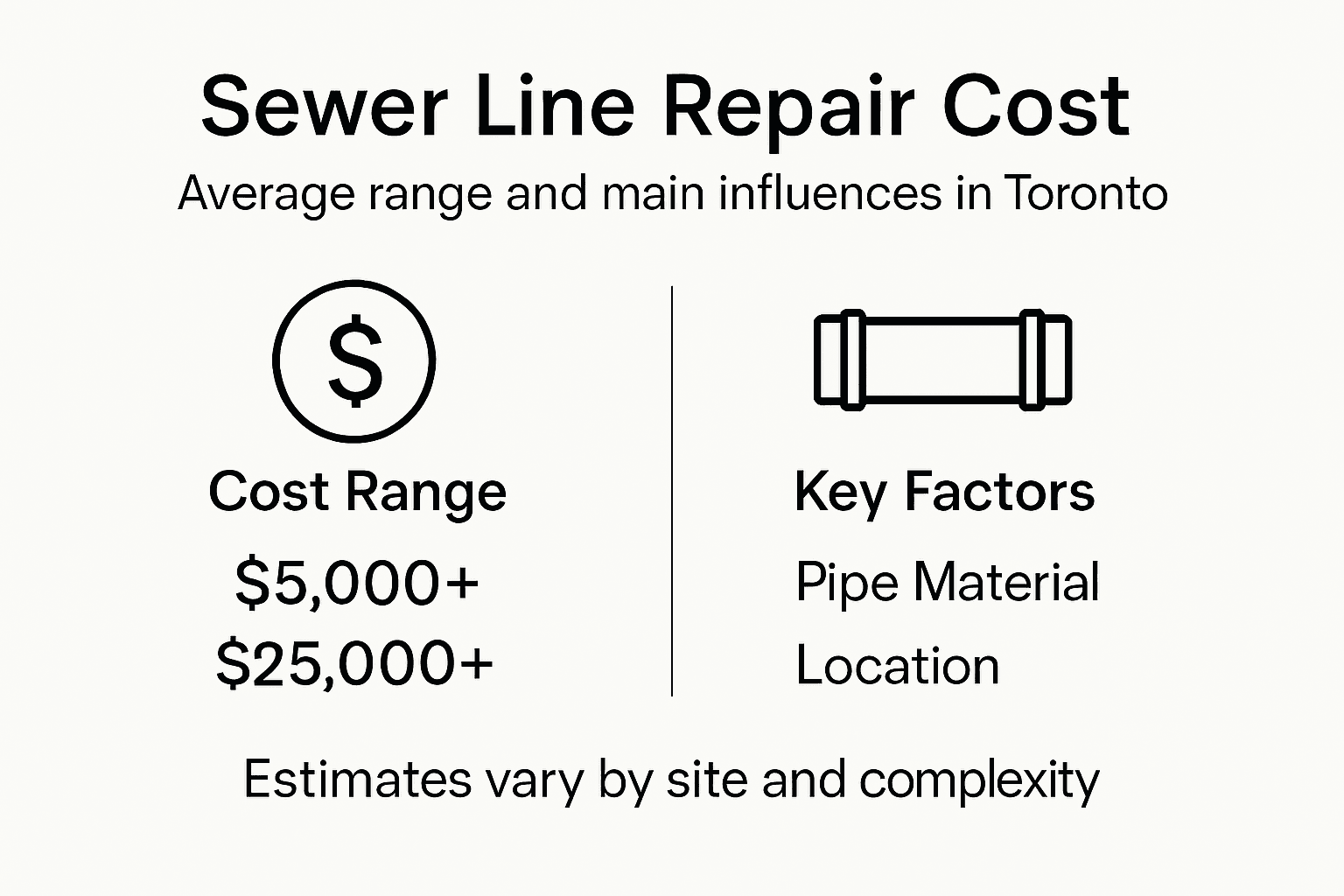
Sewer line repair costs in Toronto can vary dramatically, with homeowners potentially facing significant financial investment depending on the extent of damage and repair method selected. Total repair expenses can range from $5,000 for minor spot repairs to over $25,000 for complete line replacement, making it crucial to understand the key factors influencing these costs.
Key cost determinants include:
- Repair method selected
- Spot repairs: Less expensive
- Full pipe replacement: Most expensive
- Pipe material and length
- Depth of existing sewer line
- Accessibility of damaged section
- Local soil and ground conditions
- Required permits and municipal regulations
A detailed cost breakdown typically encompasses several critical components:
- Initial video camera inspection ($300-$500)
- Diagnostic assessment
- Actual repair or replacement work
- Restoration of landscaping or hardscaping
- Required municipal permits
- Potential additional excavation costs
Homeowners should anticipate that comprehensive sewer line repairs are significant investments requiring careful financial planning.
Toronto’s unique urban landscape adds complexity to repair costs. Older neighbourhoods with mature tree systems, clay-based soil, and aging infrastructure can increase repair complexity and expense. Underground utility considerations, potential road or sidewalk restoration, and strict municipal regulations further influence overall project costs.
Pro tip: Request detailed written estimates from multiple licensed contractors and ensure they include comprehensive breakdown of all potential expenses to avoid unexpected financial surprises.
How to Choose the Right Plumber
Selecting the appropriate plumber for a complex sewer line repair requires careful consideration and strategic evaluation. Homeowners must look beyond simple pricing and focus on professional credentials and demonstrated expertise in handling underground infrastructure challenges. When dealing with potential sewer line collapses, the stakes are too high to choose an inexperienced service.
Critical factors to consider when selecting a plumber include:
- Professional certifications
- Membership in industry associations
- Valid trade licenses
- Specialized sewer repair training
- Years of specific sewer line repair experience
- Proven track record of successful repairs
- Quality of customer references
- Transparency in pricing and processes
- Availability of comprehensive insurance coverage
Key evaluation steps for finding a reliable plumbing professional:
- Verify professional credentials
- Check online reviews and ratings
- Request detailed written estimates
- Confirm insurance and liability coverage
- Ask about specific repair techniques
- Discuss potential project complications
Not all plumbers possess the specialized skills required for complex sewer line repairs.
Toronto’s unique infrastructure demands plumbers with specific local knowledge. Understanding the city’s underground utility systems, soil conditions, and municipal regulations is crucial. Identifying potential warning signs early can help prevent more extensive and expensive damage to your property’s sewer infrastructure.
Pro tip: Request documentation of a plumber’s recent sewer line repair projects and ask to speak with references to validate their expertise and reliability.
Hidden Fees and Cost-Saving Tips
Navigating the complex landscape of sewer line repair expenses requires careful financial planning and strategic awareness. Homeowners often encounter unexpected costs that can significantly inflate their total repair budget, making it crucial to understand potential hidden fees and proactive cost-management strategies.
Below is a summary of key factors adding hidden fees to sewer repair in Toronto:
| Hidden Fee Category | Typical Cost Impact | How to Minimise Expense |
|---|---|---|
| Municipal Permits | $500 - $2,000 | Confirm permit needs upfront |
| Landscape Restoration | $1,000 - $4,000 | Limit excavation disturbances |
| Emergency Service Fees | $500 - $3,000 | Schedule repairs proactively |
| Utility Locates/Mapping | $300 - $800 | Request integrated site survey |
Common hidden expenses in sewer line repairs include:
- Municipal permit fees
- Inspection charges
- Mandatory compliance documentation
- Site assessment costs
- Landscape restoration expenses
- Underground utility mapping
- Potential road or sidewalk repair
- Emergency service surcharges
- Extended labour rates
Strategic cost-saving approaches for homeowners:
- Obtain multiple written estimates
- Verify exact scope of required work
- Understand your property’s specific infrastructure
- Check insurance coverage details
- Negotiate comprehensive service packages
- Consider preventative maintenance options
Proactive maintenance is always more cost-effective than emergency repairs.
Toronto’s unique municipal regulations can introduce additional complexity to sewer line repair costs. Identifying potential warning signs early can help prevent more extensive and expensive damage, potentially saving thousands in comprehensive replacement costs.
Pro tip: Request a detailed, itemized quote that explicitly outlines all potential fees and charges to avoid unexpected financial surprises during your sewer line repair project.
Expert Help for Collapsed Sewer Line Repairs in Toronto
Dealing with a collapsed sewer line can feel overwhelming and costly but you do not have to face this challenge alone. The article highlights common pain points like frequent backups, foul odours, disruptive repairs and high unexpected costs. At DrainWorks Plumbing, we understand these problems deeply because we have been serving Toronto homeowners since 1995 with specialised sewer line repair solutions. Our licensed and insured team uses the latest sewer camera inspections and proven repair methods to diagnose and fix your sewer line issues efficiently and with no hidden fees.

Take control of your sewer repairs today by trusting a company recognized as the Best Plumbers in Toronto and a 9-time Best of HomeStars award winner. Whether you need a detailed sewer camera inspection, pipe bursting or cured-in-place pipe lining, we deliver clear pricing and expert service with full-time non-commissioned technicians. Avoid costly emergency fees and landscape restoration by scheduling your repair with us now. Visit DrainWorks Plumbing, learn more about our trusted plumbing services and start with a professional assessment to protect your home’s plumbing infrastructure.
Frequently Asked Questions
What is the average cost of repairing a collapsed sewer line?
The cost of repairing a collapsed sewer line can range from $5,000 for minor spot repairs to over $25,000 for complete line replacement. Factors such as the repair method chosen and the extent of damage will influence the overall expense.
What are the common signs of a collapsed sewer line?
Common warning signs of a collapsed sewer line include recurring sewer backups, slow drainage throughout the home, unexplained foul sewage odours, wet or sunken areas in the lawn, and unusual gurgling sounds in plumbing fixtures.
How do I choose the right plumber for sewer line repairs?
When selecting a plumber for sewer line repairs, consider their professional certifications, years of experience, customer references, and transparency in pricing. Make sure they have the specific expertise required for tackling complex sewer line issues.
What factors can add hidden costs to sewer line repairs?
Hidden costs that can inflate sewer line repair budgets include municipal permit fees, landscape restoration expenses, emergency service fees, and costs associated with utility locating or mapping. Obtaining multiple estimates and understanding the scope of work can help minimize these unexpected expenses.
Recommended