
Sudden Low Water Pressure Kitchen Sink – What Toronto Homeowners Need to Know
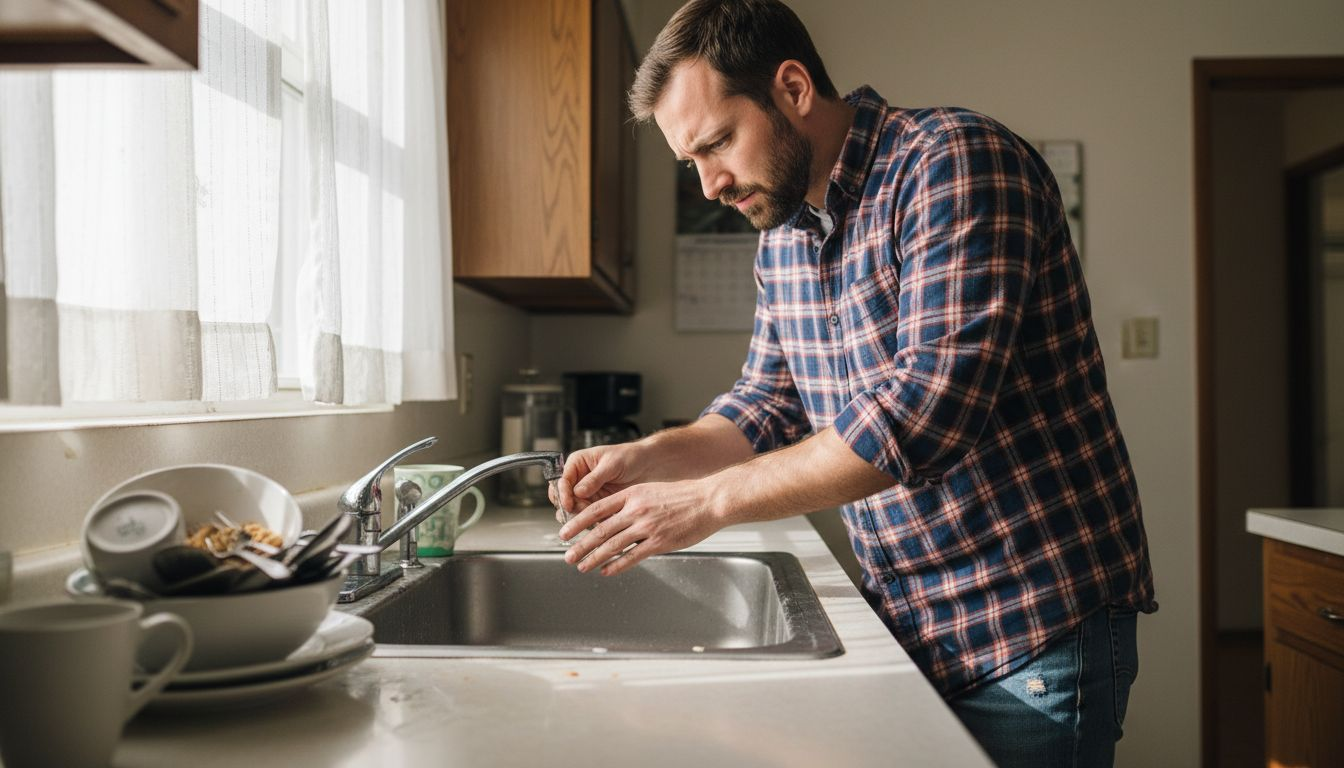
Sudden low water pressure at your kitchen sink can turn a simple task like washing dishes into a real frustration. For many Toronto homeowners, this drop in water flow may signal more than just a minor nuisance. Water pressure below 17 PSI can allow contaminants to enter your pipes, putting water quality at risk. Learn why addressing low pressure quickly is crucial and discover how to spot the warning signs before they lead to larger plumbing concerns.
Table of Contents
- What Sudden Low Water Pressure Means
- Most Common Kitchen Sink Pressure Causes
- Diagnosing Single Versus Whole-Home Issues
- DIY Checks And Quick Troubleshooting Steps
- When Professional Plumbing Help Is Needed
Key Takeaways
| Point | Details |
|---|---|
| Sudden Low Water Pressure Indicates Issues | A rapid drop in water pressure can signal plumbing problems that may require professional assessment. |
| Common Causes of Low Pressure | Key culprits include mineral buildup, pipe blockages, and valve issues within the household water system. |
| Diagnostic Approaches | Homeowners should test multiple fixtures and compare pressure levels to identify whether the issue is localized or systemic. |
| When to Seek Professional Help | Persistent low pressure, unusual sounds in pipes, and visible damage are indicators that a plumber should be consulted to avoid more severe problems. |
What Sudden Low Water Pressure Means
Sudden low water pressure in your kitchen sink isn’t just an inconvenience — it’s a potential warning sign of underlying plumbing issues. When water flow drastically reduces or becomes a weak trickle, it signals something is disrupting your home’s water distribution system.
Understanding low water pressure requires examining multiple potential causes. These typically include:
- Pipe blockages restricting water flow
- Mineral buildup in pipes and fixtures
- Hidden leaks in your home’s plumbing network
- Pressure regulator failures
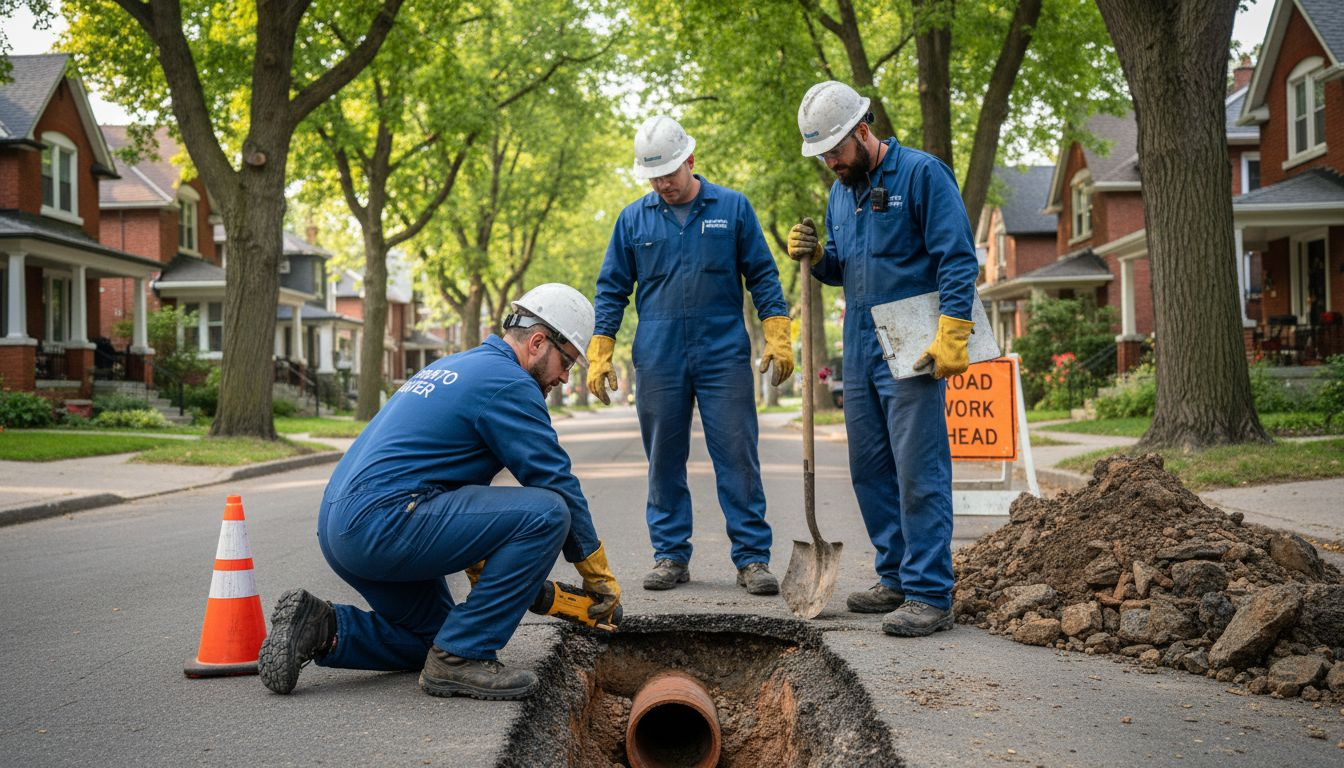
- Municipal water supply disruptions
Pressure drops below normal levels can create significant problems. Research indicates water pressure below 17 PSI may allow contaminants to enter pipes, potentially compromising water quality and safety. This means what seems like a minor inconvenience could represent a more serious underlying problem.
Low water pressure isn’t just about weak flow — it could indicate systemic plumbing challenges that require professional investigation.
Homeowners should recognize that sudden pressure changes rarely resolve themselves. The longer you wait, the higher the potential for extensive damage to your plumbing infrastructure. Unaddressed issues can lead to costly repairs and potential water damage to your home.
Pro tip: Document the exact circumstances of your low water pressure, including when it started and any recent home maintenance activities, to help plumbing professionals diagnose the issue more quickly.
Most Common Kitchen Sink Pressure Causes
Kitchen sink water pressure problems can stem from multiple interconnected factors within your home’s household water pressure system. Understanding these potential causes helps Toronto homeowners diagnose and address pressure-related challenges more effectively.
The most frequent culprits behind low water pressure include:
- Mineral deposits accumulating in pipes and fixtures
- Pipe corrosion narrowing water pathways
- Hidden leaks reducing overall system pressure
- Partially closed valves restricting water flow
- Municipal water supply fluctuations
Pipe-related issues represent a significant source of pressure problems. Sediment and mineral buildup, particularly from hard water, can gradually reduce pipe diameter and impede water flow. Dissolved minerals like iron and manganese not only cause staining but can create substantial blockages that dramatically decrease pressure at your kitchen sink.
Low water pressure isn’t just an annoyance — it’s a potential indicator of deeper plumbing system challenges that require professional assessment.
Homeowners should recognize that pressure issues rarely resolve themselves. Factors like pipe friction, flow velocity, and material roughness can compound over time, transforming a minor inconvenience into a major plumbing concern. Ignoring these warning signs might lead to more extensive and expensive repairs down the line.

Pro tip: Regularly inspect your kitchen sink’s aerator and connections for early signs of mineral buildup, which can provide crucial insights into potential pressure problems.
Diagnosing Single Versus Whole-Home Issues
Identifying whether your low water pressure is confined to a single fixture or affects your entire household water system requires systematic investigation. Toronto homeowners need a strategic approach to pinpoint the exact source of their water pressure challenges.
To diagnose the scope of your water pressure problem, follow these critical steps:
- Check multiple fixtures throughout your home
- Test both cold and hot water taps
- Compare pressure levels in different rooms
- Examine individual fixture components
- Assess overall water flow consistency
Localized pressure issues typically indicate problems specific to individual fixtures. When low pressure occurs only at your kitchen sink, the culprit might be a clogged aerator, damaged supply line, or localized valve malfunction. These targeted problems are often easier and less expensive to resolve compared to whole-home water pressure challenges.
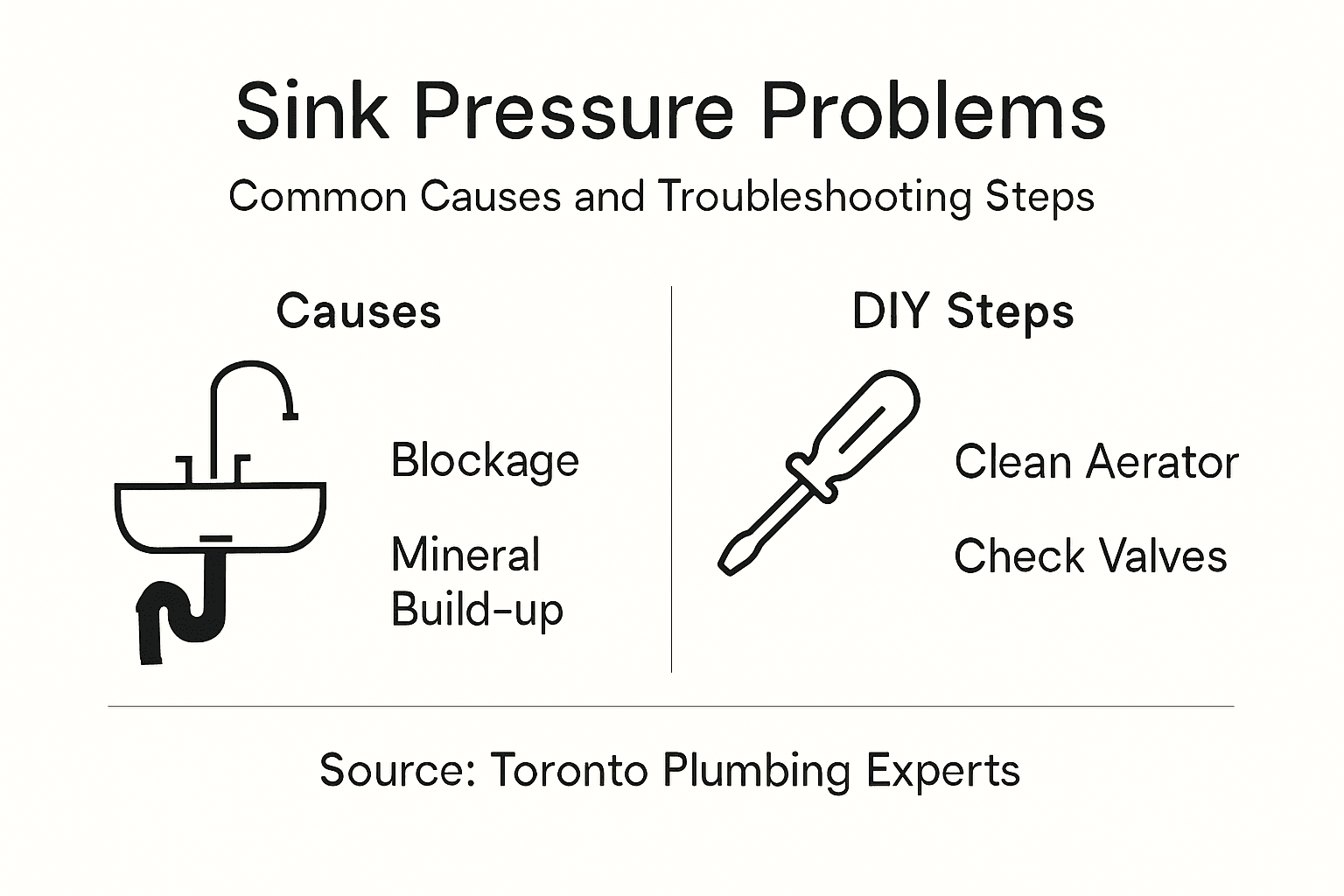
Here is a summary comparing local versus whole-home low water pressure problems:
| Type of Issue | Common Signs | Likely Causes | Recommended Response |
|---|---|---|---|
| Localized (Single Fixture) | Pressure loss at one tap | Clogged aerator, valve issues, aerator buildup | DIY cleaning, check valves, simple repairs |
| Whole-Home | Low pressure at several taps | Pipe blockages, main line issues, municipal supply problems | Professional assessment, system-wide inspection |
Whole-home pressure issues demand a comprehensive approach, potentially involving municipal water supply investigations or extensive plumbing system assessments.
Whole-home pressure drops suggest more significant infrastructure problems. These could stem from issues with your main water line, pressure regulator, or municipal water supply. Such systemic challenges often require professional diagnostic tools and expert intervention to accurately identify and resolve the underlying cause.
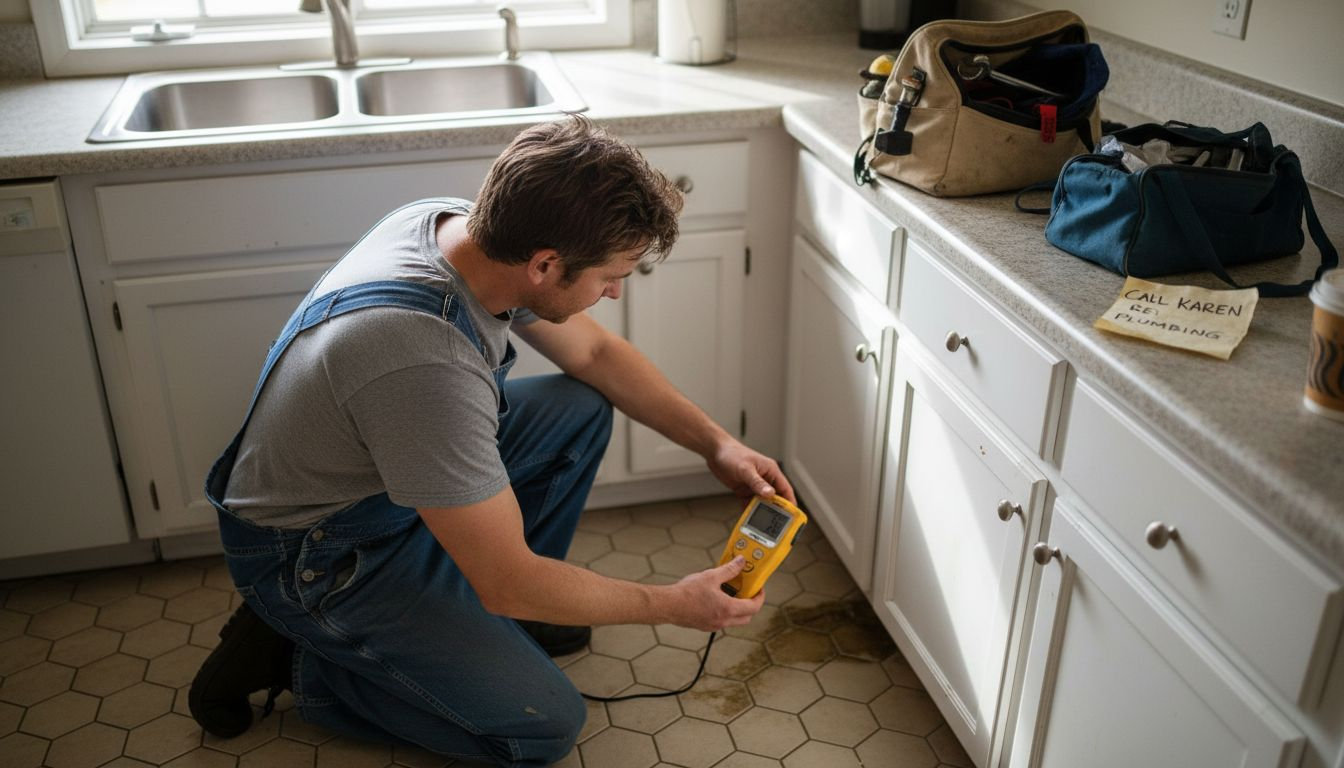
Pro tip: Use a pressure gauge to precisely measure water pressure at different fixtures, creating a detailed map of your home’s water distribution system.
DIY Checks and Quick Troubleshooting Steps
Addressing low water pressure at your kitchen sink doesn’t always require professional intervention. With the right household water maintenance techniques, Toronto homeowners can often diagnose and resolve minor pressure issues independently.
Your comprehensive DIY troubleshooting checklist includes:
- Remove and clean faucet aerators thoroughly
- Check all supply valves are fully open
- Inspect visible pipe connections for leaks
- Test water pressure at multiple fixtures
- Look for signs of mineral buildup or corrosion
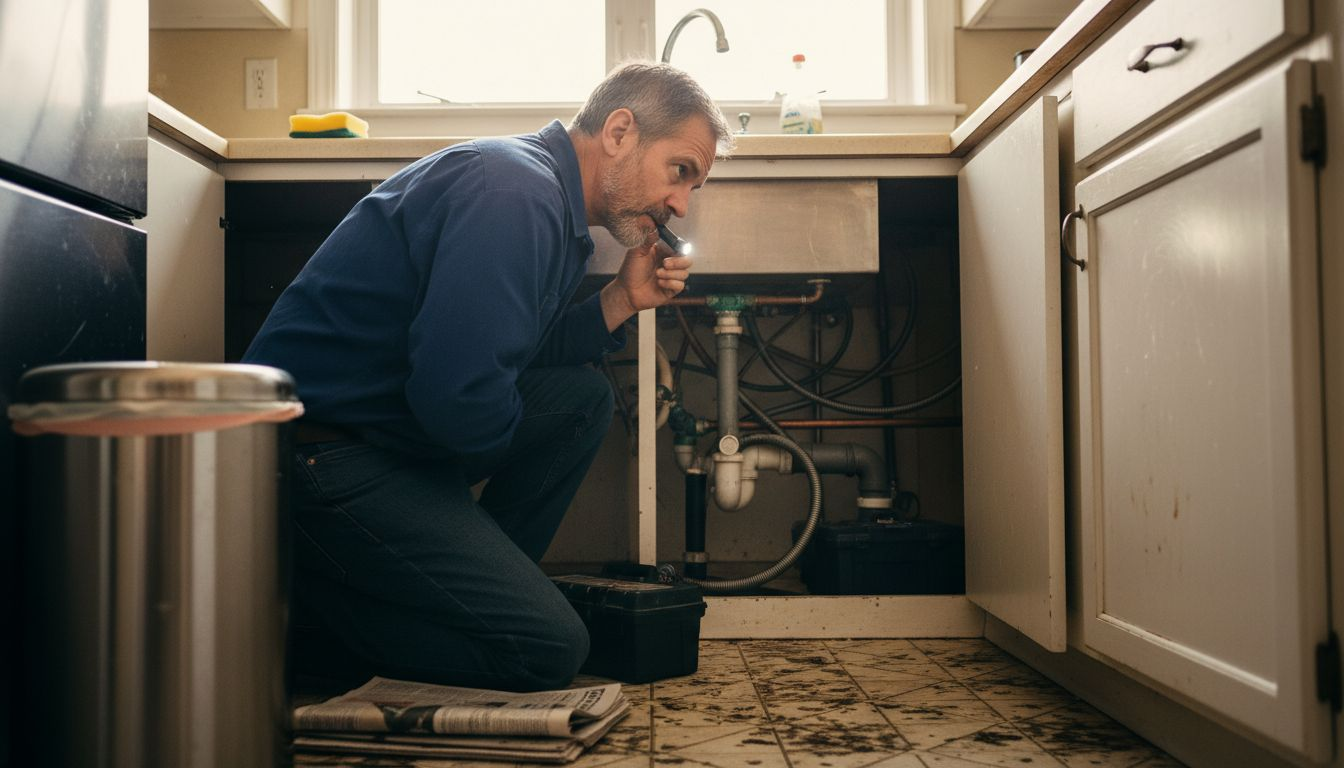
- Examine pipe connections under the kitchen sink
Faucet aerators are frequently the simplest source of low water pressure. These small screens can become clogged with mineral deposits, dramatically reducing water flow. Carefully unscrew the aerator, soak it in vinegar to dissolve mineral buildup, and use a soft brush to remove any remaining debris before reinstalling.
Simple maintenance steps can often resolve water pressure issues without costly professional intervention.
If basic cleaning and valve checks don’t improve water pressure, the problem might require more advanced investigation. Pay close attention to any unusual sounds, inconsistent water flow, or visible pipe damage that could indicate more significant underlying plumbing challenges.
Below is a reference table outlining when to opt for DIY versus call a professional plumber:
| Situation | DIY Action Possible? | When to Call a Professional |
|---|---|---|
| Simple aerator blockage | Yes, clean aerator | If repeated blockages occur |
| Minor leak under sink | Yes, inspect and tighten | If leak persists or worsens |
| Sudden whole-home drop | No, needs expert tools | Yes, investigate supply/pressure regulator |
| Unusual pipe noises | Limited, check visible pipes | Yes, for hidden pipe or main line issues |
Pro tip: Keep a small logbook documenting your troubleshooting steps, water pressure measurements, and any observations to help professionals diagnose issues more efficiently if you need expert assistance.
When Professional Plumbing Help Is Needed
Knowing when to call a professional plumber is crucial for preventing extensive damage and costly repairs. Toronto homeowners should understand the critical signs indicating the need for expert intervention in plumbing emergencies.
Key indicators that professional plumbing assistance is required include:
- Persistent low water pressure across multiple fixtures
- Unexplained water discoloration
- Unusual noises in pipes
- Visible pipe corrosion or damage
- Suspected underground or hidden leaks
- Water pressure fluctuations beyond minor variations
Professional plumbers possess advanced diagnostic tools that can precisely identify complex pressure issues. They use specialized equipment like pressure gauges and camera inspection systems to detect problems that are invisible to the average homeowner. These diagnostic methods can reveal hidden pipe damage, municipal supply line issues, or systemic pressure regulation problems that DIY methods cannot address.
Complex water pressure challenges demand professional expertise to prevent potential long-term infrastructure damage.
Some pressure problems indicate serious underlying infrastructure concerns that require immediate professional attention. Widespread pressure loss, water quality changes, or structural pipe damage are red flags that should never be ignored. Attempting to resolve these issues without proper training could lead to more extensive and expensive repairs.
Pro tip: Document your water pressure symptoms, including when they occur and any observed changes, to provide your plumber with comprehensive diagnostic information.
Restore Strong Water Pressure with Trusted Toronto Plumbing Experts
Sudden low water pressure in your kitchen sink can quickly disrupt your daily routine and may signal hidden plumbing problems like mineral buildup or pipe blockages. Do not let these issues compromise your home comfort or cause costly damage. At DrainWorks Plumbing, we understand the urgency and complexity of these challenges. With over 30 years of experience providing reliable residential plumbing repairs and pressure system evaluations across Toronto, we are ready to help you restore consistent water flow.

Take control now by connecting with our fully licensed and insured team of expert plumbers. Whether it is a simple aerator cleaning or a comprehensive whole-home pressure assessment, our transparent pricing and professional service will give you peace of mind. Learn more about how we tackle everyday plumbing issues at DrainWorks Plumbing and explore solutions to keep your water pressure steady by visiting our plumbing services page. Do not wait for low pressure to turn into a bigger problem. Contact us today for prompt assistance and enjoy water pressure you can rely on.
Frequently Asked Questions
What are common causes of sudden low water pressure in my kitchen sink?
Common causes include pipe blockages, mineral buildup in pipes, hidden leaks, pressure regulator failures, and municipal water supply disruptions.
How can I diagnose if the low water pressure is a localized issue or affects the entire home?
To diagnose, check multiple fixtures throughout your home, test both cold and hot water taps, and compare pressure levels in different rooms. Localized issues typically mean problems specific to individual fixtures.
What DIY steps can I take to troubleshoot low water pressure at my kitchen sink?
You can remove and clean the faucet aerator, check that all supply valves are fully open, inspect visible pipe connections for leaks, and look for signs of mineral buildup or corrosion.
When should I consider calling a professional plumber for low water pressure issues?
You should call a professional if you experience persistent low water pressure across multiple fixtures, see water discoloration, hear unusual noises in pipes, or suspect hidden leaks that could cause extensive damage.
Recommended