
Energy Saving Habits: 20% Water Cuts & Lower Bills Toronto
Toronto homeowners face rising utility costs and tighter water use regulations. Choosing the right plumbing energy-saving habits is critical for tangible savings without sacrificing comfort. This article covers practical fixture upgrades, leak management, outdoor watering strategies, and compliance essentials. You'll learn how to cut water use by 20% or more and lower bills through proven, code-compliant habits tailored to your home.
Table of Contents
- How to Choose Effective Energy Saving Habits: Key Criteria
- Top Water-Efficient Plumbing Fixtures for Toronto Homes
- Smart Plumbing Technologies and Leak Management
- Outdoor Water Conservation Habits for Toronto Homeowners
- Summary Comparison of Energy Saving Plumbing Habits and Fixtures
- Situational Recommendations: Which Habit or Upgrade Is Right for You?
- Professional Plumbing Solutions to Boost Your Energy Savings
- Frequently Asked Questions About Energy Saving Habits for Plumbing
Key Takeaways
| Point | Details |
|---|---|
| Efficient fixtures cut water use | Low-flow showerheads and dual-flush toilets reduce consumption by 20% or more while maintaining performance. |
| Leak repairs offer immediate savings | Fixing toilet and faucet leaks delivers quick reductions in water and energy bills. |
| Outdoor habits reduce waste | Timing watering for early morning or evening and using rain barrels comply with by-laws and conserve water. |
| Smart softeners optimize hard water use | Demand-Initiated Regeneration systems save water and salt in Toronto's hard water regions. |
| Situational solutions match your needs | Budget, home age, and water use patterns determine which upgrades deliver the best return. |
How to Choose Effective Energy Saving Habits: Key Criteria
Selecting impactful, feasible, and code-compliant energy-saving plumbing habits requires evaluating several critical factors. Impact on reducing water and energy use is your top priority. You want habits that deliver measurable savings on your utility bills, not marginal improvements that take years to notice.
Cost and return on investment influence every homeowner's choices. Some upgrades, like faucet aerators, cost under $10 and pay for themselves in weeks. Others, such as dual-flush toilets, require larger upfront investments but yield substantial long-term savings. Feasibility and ease of implementation matter too. DIY-friendly solutions like aerators appeal to budget-conscious homeowners, while fixture replacements often need professional installation to ensure compliance and performance.
Compliance with Ontario plumbing codes is essential. Fixtures and installations must meet provincial standards to avoid costly rework or fines. Availability of rebates through municipal and provincial programs encourages certain upgrades, reducing your net costs. Maintenance and durability affect long-term benefits. Low-maintenance fixtures sustain savings without ongoing hassle or expense.
Prioritize repairs and upgrades that yield the biggest savings first. Effective energy-saving habits must balance impact, cost, ease of implementation, and compliance with Ontario codes. Start with water conservation tips that address your home's specific waste sources. Track your water bills before and after changes to measure real impact.
Pro Tip: Focus on fixing leaks before investing in new fixtures. A single leaking toilet can waste hundreds of liters monthly, undermining any savings from efficient showerheads or aerators. Check energy-saving tips for your home to identify quick wins.
- Impact on water and energy reduction
- Cost versus return on investment
- Feasibility for DIY or professional installation
- Compliance with Ontario plumbing codes
- Rebate availability through municipal programs
- Maintenance requirements and fixture durability
- Priority based on current waste sources
Top Water-Efficient Plumbing Fixtures for Toronto Homes
Specific water-efficient plumbing fixtures deliver proven savings for Toronto homeowners. Low-flow showerheads reduce water flow to under 7.5 L/min, saving significant water while maintaining shower quality. Conventional showerheads use 10 L/min or more, so switching to low-flow models cuts shower water use by 25% to 40%. Installation takes minutes with basic tools, making this upgrade ideal for DIY homeowners.
Dual-flush toilets reduce water usage to 4-6 liters per flush compared to older models using up to 13 liters. That's up to 70% savings per flush. For a family of four, upgrading from a 13-liter toilet to a 6-liter dual-flush model saves over 10,000 liters annually. Modern dual-flush toilets use improved valve technology to minimize leaks, addressing concerns about older models that leaked more frequently.
Faucet aerators reduce flow to about 1.5 gallons per minute with easy installation. Screwing an aerator onto existing faucets takes seconds and costs under $10. WaterSense-certified fixtures guarantee at least 20% water savings compared to standard models. Energy-efficient toilets can save more than 10,000 liters of water annually, translating to noticeable reductions in utility bills.
When selecting fixtures, verify WaterSense certification and check compatibility with your existing plumbing. Review handy plumbing tips to prepare for installations. Explore sustainable plumbing solutions for additional fixture options and performance data.
- Low-flow showerheads: under 7.5 L/min flow rate
- Dual-flush toilets: 4-6 liters per flush versus 13+ liters for older models
- Faucet aerators: 1.5 gallons per minute, DIY installation
- WaterSense certification: minimum 20% water savings
- Annual savings: over 10,000 liters for efficient toilets
- Modern valve technology reduces leak risk in dual-flush models
Stat Spotlight: Upgrading from a 13-liter toilet to a 6-liter dual-flush model saves a family of four more than 10,000 liters of water each year, cutting water bills by $50 to $100 annually.
Smart Plumbing Technologies and Leak Management
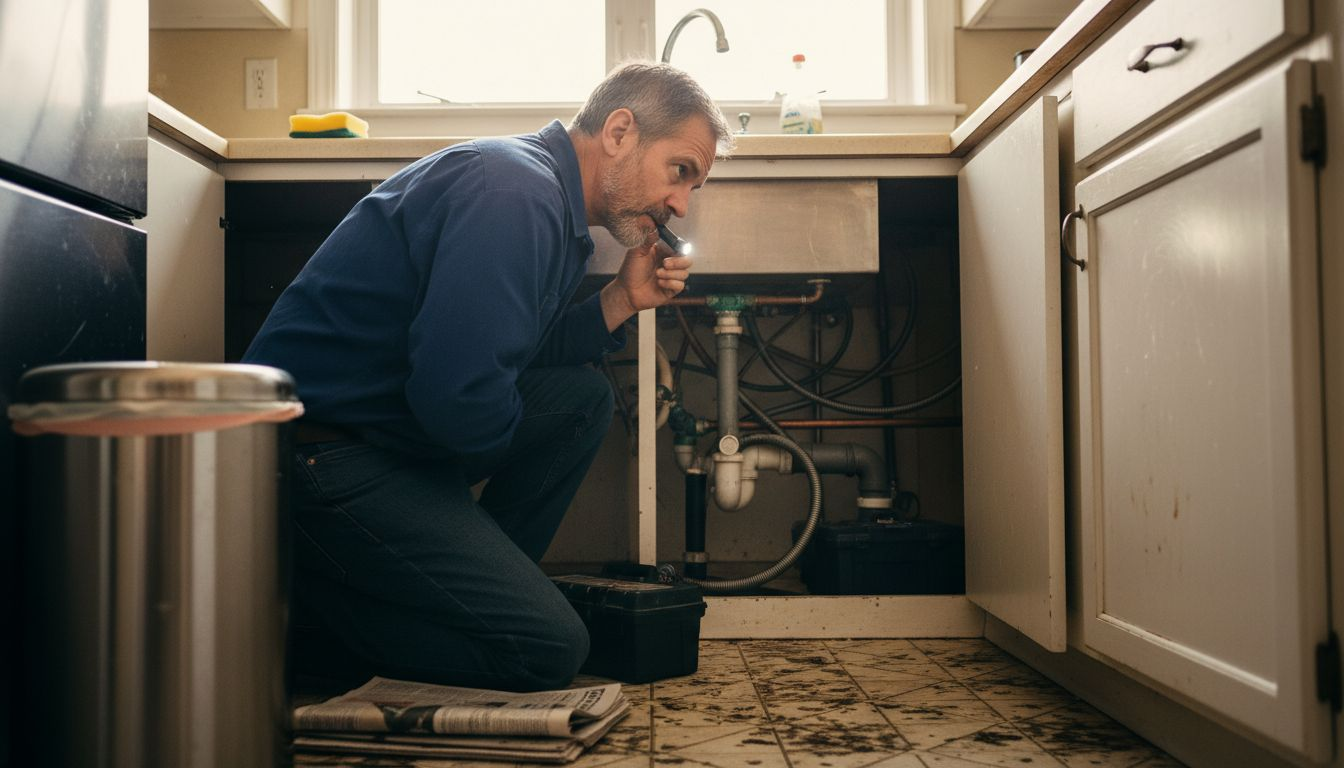
Leaks, especially in toilets, are major sources of water and energy waste in Toronto homes. Toilets are the largest source of indoor leaks; fixing leaks results in immediate water and energy savings. A leaking toilet can waste 200 liters daily, adding hundreds of dollars to annual water bills. Regular inspections and timely repairs yield quick savings.
Checking for leaks is straightforward. Add food coloring to your toilet tank and wait 15 minutes without flushing. If color appears in the bowl, you have a leak. Faucet leaks are often visible, but slow drips can waste significant water over time. Monitoring devices alert homeowners early to leaks, preventing waste before it escalates.
Demand-Initiated Regeneration water softeners reduce water and salt use significantly in hard water areas. Traditional softeners regenerate on fixed schedules, wasting water and salt when demand is low. Demand-Initiated Regeneration systems monitor actual water use and regenerate only when needed, cutting operational costs by 30% or more in Toronto's hard water regions.
Smart softeners reduce operational costs by optimizing regeneration cycles based on real demand. Maintaining plumbing helps sustain savings over time. Schedule annual inspections to catch leaks early and verify fixture performance. Learn how to prevent leaks through proactive maintenance. Review water softener technologies to understand efficiency features.
Pro Tip: Use the food coloring test quarterly to catch toilet leaks before they waste thousands of liters. Replace worn flappers and fill valves at the first sign of leakage to maintain efficiency.
- Toilet leaks waste up to 200 liters daily
- Food coloring test detects hidden toilet leaks
- Monitoring devices provide early leak alerts
- Demand-Initiated Regeneration softeners cut water and salt use by 30%+
- Annual inspections catch leaks and verify fixture performance
- Proactive maintenance sustains long-term savings
Outdoor Water Conservation Habits for Toronto Homeowners
Mindful outdoor watering habits and rainwater harvesting further cut water use and meet local regulations. Watering gardens early morning or late evening reduces evaporation, conserving water. Midday watering loses up to 50% of water to evaporation, wasting money and resources. Early morning watering allows soil to absorb moisture before heat increases evaporation rates.

Follow Toronto municipal odd/even day water restrictions to comply with by-laws. Toronto restricts lawn watering to specific days based on your address, typically odd-numbered addresses on odd days and even-numbered addresses on even days. Violating restrictions can result in fines. Use rain barrels to collect free rainwater for outdoor irrigation. A single rain barrel captures hundreds of liters per storm, reducing reliance on municipal water for gardens and lawns.
Regularly check outdoor plumbing for leaks to prevent waste. Hose bibs and outdoor faucets develop leaks over winter, wasting water once turned on in spring. Inspect connections and replace worn washers before the growing season. Adjust watering frequency based on seasonal needs and weather. During rainy periods, reduce or skip watering to avoid overwatering and runoff.
Learn to prevent outdoor faucet leaks by winterizing hose bibs properly. Explore additional outdoor water-saving habits to maximize efficiency.
- Water lawns and gardens early morning or late evening
- Follow Toronto odd/even day watering restrictions
- Use rain barrels to collect rainwater for irrigation
- Inspect outdoor faucets for leaks each spring
- Adjust watering frequency based on weather and season
- Avoid midday watering to prevent 50% evaporation losses
Summary Comparison of Energy Saving Plumbing Habits and Fixtures
Synthesizing detailed information into a clear comparison helps you weigh options and select the best solutions for your home. The table below summarizes water savings, costs, convenience, and rebate eligibility of key energy-saving plumbing habits and fixtures to aid your decision-making.
| Habit/Fixture | Water Savings | Installation Cost | Ease of Implementation | Rebate Eligible | Annual Savings Estimate |
|---|---|---|---|---|---|
| Low-flow showerheads | 25-40% reduction | $20-$80 | DIY, 10 minutes | Often yes | $40-$80 |
| Dual-flush toilets | Up to 70% per flush | $200-$500 installed | Professional recommended | Often yes | $50-$100 |
| Faucet aerators | 30% reduction | $5-$15 per unit | DIY, 2 minutes | Rarely | $15-$30 |
| Demand-Initiated Regeneration softeners | 30% operational savings | $800-$1500 installed | Professional required | Sometimes | $60-$120 |
| Leak repairs (toilets, faucets) | 200+ liters/day per leak | $100-$300 per repair | Professional recommended | No | $80-$150 |
| Rain barrels | Varies by usage | $50-$150 | DIY or professional | Sometimes | $20-$50 |
Use this comparison to prioritize upgrades based on your budget, water use patterns, and home conditions. High-impact, low-cost options like aerators and leak repairs deliver quick returns. Larger investments in dual-flush toilets and smart softeners provide substantial long-term savings for homes with high water use or hard water challenges.
Situational Recommendations: Which Habit or Upgrade is Right for You?
Choose upgrades and habits that align best with your unique home conditions, budget, and goals. If you're facing a high water bill, prioritize fixing leaks and upgrading to WaterSense toilets. A single leaking toilet or a 13-liter model wastes thousands of liters monthly. Repairing leaks and replacing inefficient toilets delivers immediate, measurable savings.
Budget-conscious homeowners should start with low-cost faucet aerators and low-flow showerheads. These upgrades cost under $100 total and pay for themselves within months. Installation requires no special skills or tools. If you live in a hard water area, consider Demand-Initiated Regeneration water softeners. Hard water increases soap use and appliance wear. Smart softeners cut water and salt waste while extending appliance lifespans.
For outdoor watering needs, use rain barrels and water plants early or late. Rain barrels provide free irrigation water, and proper timing reduces evaporation losses by half. Combine habits for maximum savings over time. Pairing leak repairs with efficient fixtures and mindful outdoor watering creates a comprehensive water-saving strategy.
Track bills and water use to measure impact. Compare bills before and after implementing changes to verify savings. Adjust habits as needed based on results. Review plumbing tips for ongoing efficiency ideas.
Pro Tip: Start with a water audit. Review your last 12 months of water bills to identify usage spikes. High summer bills suggest outdoor watering waste, while consistent high use points to indoor leaks or inefficient fixtures.
- High water bill: Fix leaks and upgrade to WaterSense toilets first.
- Budget-conscious: Install faucet aerators and low-flow showerheads.
- Hard water area: Invest in Demand-Initiated Regeneration water softeners.
- Outdoor watering needs: Use rain barrels and water early or late.
- Combine multiple habits: Pair leak repairs with fixture upgrades for maximum savings.
- Track bills: Compare water use before and after changes to measure impact.
Professional Plumbing Solutions to Boost Your Energy Savings
Professional maintenance and repairs maximize your energy-saving efforts. Expert plumbers ensure your upgrades comply with local codes and perform as expected. DIY installations sometimes miss critical steps, leading to leaks or inefficient operation. Scheduling inspections and fixture upgrades with trusted Toronto experts reduces water waste and costs while avoiding compliance issues.
Access timely advice and quality installations to implement your chosen energy-saving habits effectively. DrainWorks Plumbing has served Toronto homeowners for over 30 years, providing licensed, insured residential plumbing services. Our non-commissioned technicians offer clear, upfront pricing with no hidden fees. We've earned recognition as The Best Plumbers in Toronto by Toronto Life Magazine twice, along with nine HomeStars Best of Awards and an A+ BBB rating.
Whether you need spring plumbing maintenance tips to prepare for the season, professional plumber services in Toronto for fixture upgrades, or handy plumbing tips and tricks for ongoing efficiency, our team delivers reliable solutions tailored to your home.
Frequently Asked Questions About Energy Saving Habits for Plumbing
Are water-efficient fixtures eligible for rebates in Toronto?
Many water-efficient fixtures qualify for rebates through Toronto Water and provincial programs. WaterSense-certified toilets, low-flow showerheads, and rain barrels often receive rebates ranging from $25 to $100 per unit. Check the Toronto Water website or contact your municipality for current rebate offerings and application procedures.
How can I detect hidden leaks in my home?
Use the food coloring test for toilets by adding dye to the tank and checking the bowl after 15 minutes without flushing. For whole-home leaks, turn off all water fixtures and appliances, then check your water meter. If the meter continues moving, you have a hidden leak. Professional leak detection services use acoustic sensors and thermal imaging to locate concealed leaks.
How often should I maintain water-efficient fixtures?
Inspect water-efficient fixtures quarterly for leaks or performance issues. Clean aerators and showerheads every six months to remove mineral buildup that reduces flow. Replace toilet flappers and fill valves every three to five years, or sooner if leaks develop. Annual professional inspections catch problems early and sustain long-term efficiency.
What do common fixture upgrades cost in Toronto?
Faucet aerators cost $5 to $15 each. Low-flow showerheads range from $20 to $80. Dual-flush toilets cost $200 to $500 installed, including labor and disposal of old units. Demand-Initiated Regeneration water softeners run $800 to $1500 installed. Leak repairs typically cost $100 to $300 per fixture, depending on severity and access.
What local regulations affect outdoor watering in Toronto?
Toronto restricts lawn watering to odd or even days based on your street address, typically between May and September. Watering is allowed before 9 a.m. and after 7 p.m. on designated days. Hand watering gardens and new plantings is usually exempt. Violating restrictions can result in fines starting at $100. Rain barrels and drip irrigation systems face fewer restrictions.
Can I install water-efficient fixtures myself or do I need a plumber?
Faucet aerators and low-flow showerheads are DIY-friendly, requiring only basic tools and taking minutes to install. Dual-flush toilets and water softeners need professional installation to ensure code compliance, proper sealing, and optimal performance. Leak repairs vary; simple faucet washer replacements are DIY, while toilet valve replacements or pipe leaks often require professional expertise.
Recommended