
Residential Plumbing Maintenance: Preventing Costly Issues
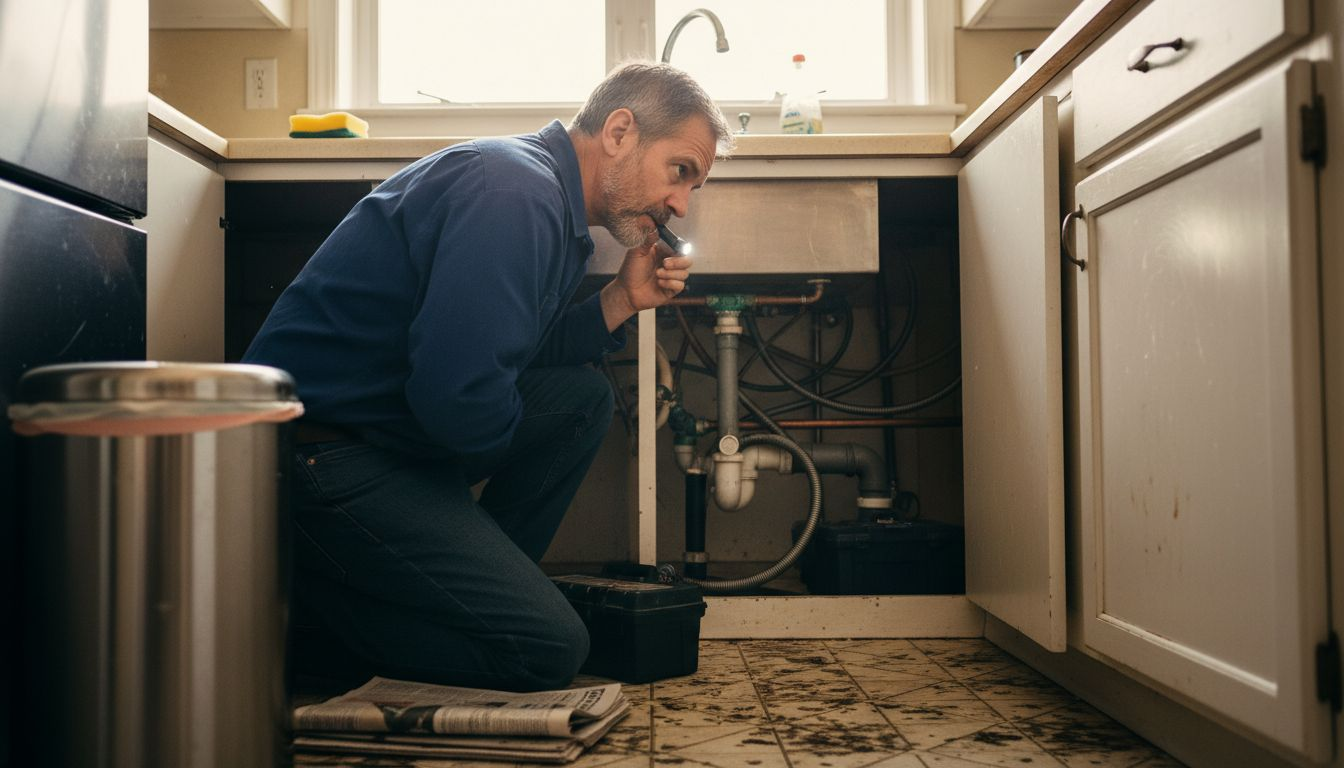
Stepping into an older Toronto home often reveals hidden plumbing challenges that catch even experienced homeowners off guard. Local factors like cold Canadian winters and aging infrastructure make reliable plumbing maintenance more than an everyday task—it is a smart investment in your property’s safety. Discover practical strategies that help you prevent leaks and clogs, extend system lifespan, and secure the comfort and value of your home.
Table of Contents
- Understanding Residential Plumbing Systems
- Types of Plumbing Maintenance Tasks
- Toronto-Specific Plumbing Challenges and Risks
- Seasonal Care and Preventative Measures
- Common Mistakes and How to Avoid Them
- When to Upgrade or Call a Professional
Key Takeaways
| Point | Details |
|---|---|
| Understanding Plumbing Systems | Residential plumbing systems consist of interconnected pipes, fixtures, and appliances crucial for water delivery and waste management. Regular maintenance is essential to ensure long-term functionality and prevent costly repairs. |
| Seasonal Maintenance Importance | Adapting maintenance strategies for each season can significantly reduce emergency plumbing issues, with proactive preparations aiding in overall system reliability. |
| Common Maintenance Mistakes | Homeowners should avoid DIY repairs without proper knowledge, as well as neglecting routine inspections, which can lead to catastrophic failures and expensive emergency repairs. |
| When to Seek Professional Help | Recognizing warning signs such as persistent low water pressure or unusual water bills is vital; professional assessments can prevent costly plumbing failures and ensure compliance with building codes. |
Understanding Residential Plumbing Systems
Residential plumbing systems are complex networks of interconnected pipes, fixtures, and appliances designed to provide clean water and efficiently remove wastewater from your home. These intricate systems form the backbone of modern household comfort and functionality, ensuring safe water delivery and waste management in Toronto homes.
A typical residential plumbing system consists of several critical components that work seamlessly together:
- Fresh Water Supply Lines : Deliver potable water from municipal sources into your home
- Drainage Systems : Transport wastewater away from fixtures and out of the property
- Ventilation Pipes : Regulate air pressure within plumbing networks to enable proper waste removal
- Fixture Connections : Include sinks, toilets, showers, and other water-using appliances
Understanding plumbing system materials is crucial for homeowners. Different pipe materials like copper, PVC, and galvanized steel have unique characteristics that impact their durability, performance, and maintenance requirements.
Here is a comparison of common residential plumbing pipe materials and their advantages:
| Pipe Material | Durability | Common Issues |
|---|---|---|
| Copper | 50+ years | Potential pinhole leaks |
| PVC | 25-40 years | Damage from freezing |
| Galvanized Steel | 40-50 years | Internal corrosion |
| PEX | 40-50 years | UV sensitivity |
Plumbing systems operate under specific pressure and flow standards mandated by provincial building codes. These regulations ensure water quality, prevent contamination, and maintain system integrity. The Ontario Plumbing Code provides comprehensive guidelines for installation, materials, and safety protocols that Toronto homeowners must follow.
Proper maintenance of your residential plumbing system can prevent costly repairs and extend the lifespan of your home’s infrastructure.
Water Pressure Considerations
Water pressure plays a critical role in residential plumbing performance. Understanding household water pressure dynamics helps homeowners identify potential issues before they escalate into major problems.
Pro tip: Conduct an annual visual inspection of exposed pipes and connections to catch potential leaks or corrosion early.
Types of Plumbing Maintenance Tasks
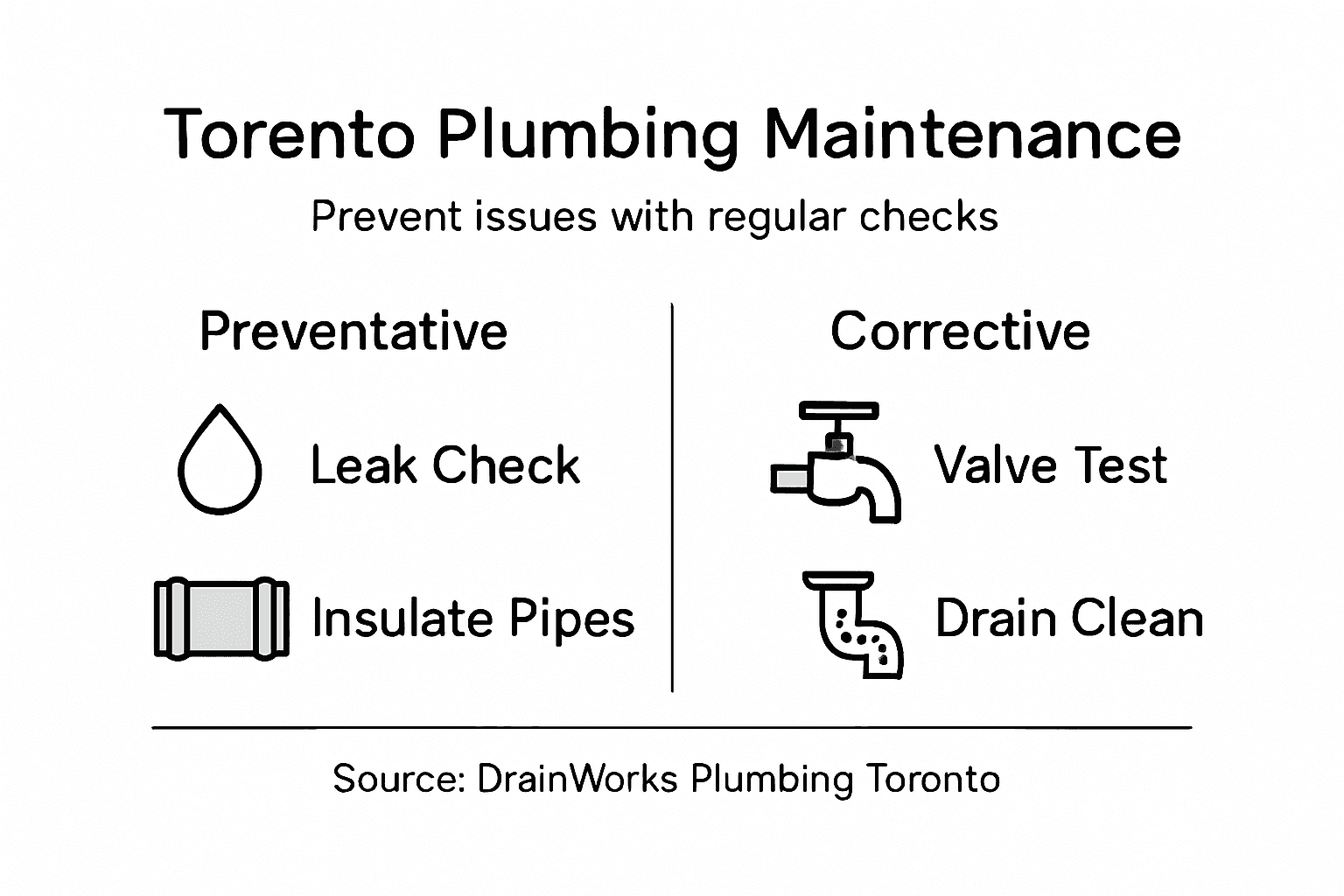
Plumbing maintenance encompasses a range of preventive and corrective tasks designed to keep your home’s water systems functioning efficiently and avoid costly repairs. Homeowners in Toronto need to understand the different types of maintenance required to protect their residential plumbing infrastructure and prevent unexpected breakdowns.
Preventive maintenance tasks are crucial for long-term system health and include:
- Regular Leak Detection : Identifying potential water leaks before they cause significant damage
- Drain Cleaning : Preventing clogs and maintaining proper wastewater flow
- Fixture Inspections : Checking sinks, toilets, and other water-using appliances for wear and potential issues
- Pipe Condition Assessment : Examining pipes for signs of corrosion, damage, or potential failure points
Corrective Maintenance Strategies
When preventive measures are not enough, corrective maintenance becomes necessary. These tasks involve addressing specific issues that have developed over time, such as repairing pipe leaks, replacing worn-out fixtures, or clearing stubborn drain blockages.
Seasonal maintenance is particularly important in Toronto’s variable climate. Tasks like preparing your plumbing for seasonal changes can help prevent weather-related damage and ensure system reliability throughout the year.
Proactive maintenance can reduce the likelihood of emergency plumbing repairs by up to 75%, saving homeowners significant time and money.
Critical maintenance tasks also include checking critical components like backwater valves , which protect your home from potential sewage backups. Understanding how to maintain these systems is essential for preventing water damage and maintaining home safety.
Pro tip: Create a seasonal maintenance calendar to track and schedule your plumbing inspection and maintenance tasks systematically.
Toronto-Specific Plumbing Challenges and Risks
Toronto’s unique urban environment and challenging climate present distinctive plumbing challenges that require specialized knowledge and proactive maintenance strategies. Homeowners must understand the specific risks associated with the city’s infrastructure, weather conditions, and urban density to protect their residential plumbing systems effectively.
Seasonal Climate Risks
The harsh Canadian winters pose significant threats to residential plumbing systems. Winter plumbing challenges in Toronto can lead to critical issues like:
- Pipe Freezing : Extreme cold temperatures can cause pipes to freeze and potentially burst
- Temperature Fluctuations : Rapid temperature changes increase stress on plumbing infrastructure
- Outdoor Fixture Vulnerability : Exposed pipes and hose bibs are particularly susceptible to cold damage
- Ground Movement : Frost heaving can cause underground pipes to shift and potentially crack
Urban Infrastructure Challenges
Toronto’s aging urban infrastructure compounds plumbing risks for homeowners. Many residential areas feature older homes with legacy plumbing systems that may be more prone to unexpected plumbing emergencies. The combination of older pipes, municipal water systems, and dense urban construction creates unique maintenance challenges.
Toronto homeowners face more complex plumbing maintenance requirements compared to rural or suburban areas due to intricate municipal infrastructure and compact housing designs.
Specific risks include potential water main breaks, reduced water pressure, increased sediment accumulation, and higher likelihood of underground pipe damage. Understanding these localized challenges helps homeowners develop more targeted maintenance strategies.
Pro tip: Schedule a professional plumbing inspection before winter to identify and address potential vulnerabilities in your home’s plumbing system.
Seasonal Care and Preventative Measures
Seasonal maintenance is critical for preserving the integrity of residential plumbing systems in Toronto’s challenging climate. Homeowners must adapt their maintenance strategies to address the unique demands of each season, protecting their infrastructure from potential damage and ensuring long-term reliability.

Winterization Strategies
Preparing your home’s plumbing for the harsh Canadian winter requires comprehensive preventative actions:
- Insulate Exposed Pipes : Protect vulnerable pipes from freezing temperatures
- Disconnect Outdoor Hoses : Prevent water trapped in hoses from causing pipe damage
- Seal Foundation Cracks : Block cold air from entering and potentially freezing pipes
- Check Exterior Drainage : Ensure proper water flow away from your home’s foundation
Spring and Summer Maintenance
As temperatures warm, essential maintenance tasks shift to addressing potential issues caused by winter stress and preparing for increased water usage:
- Inspect for Winter Damage : Check pipes for cracks or leaks caused by freezing
- Clean Drain Systems : Remove debris accumulated during winter months
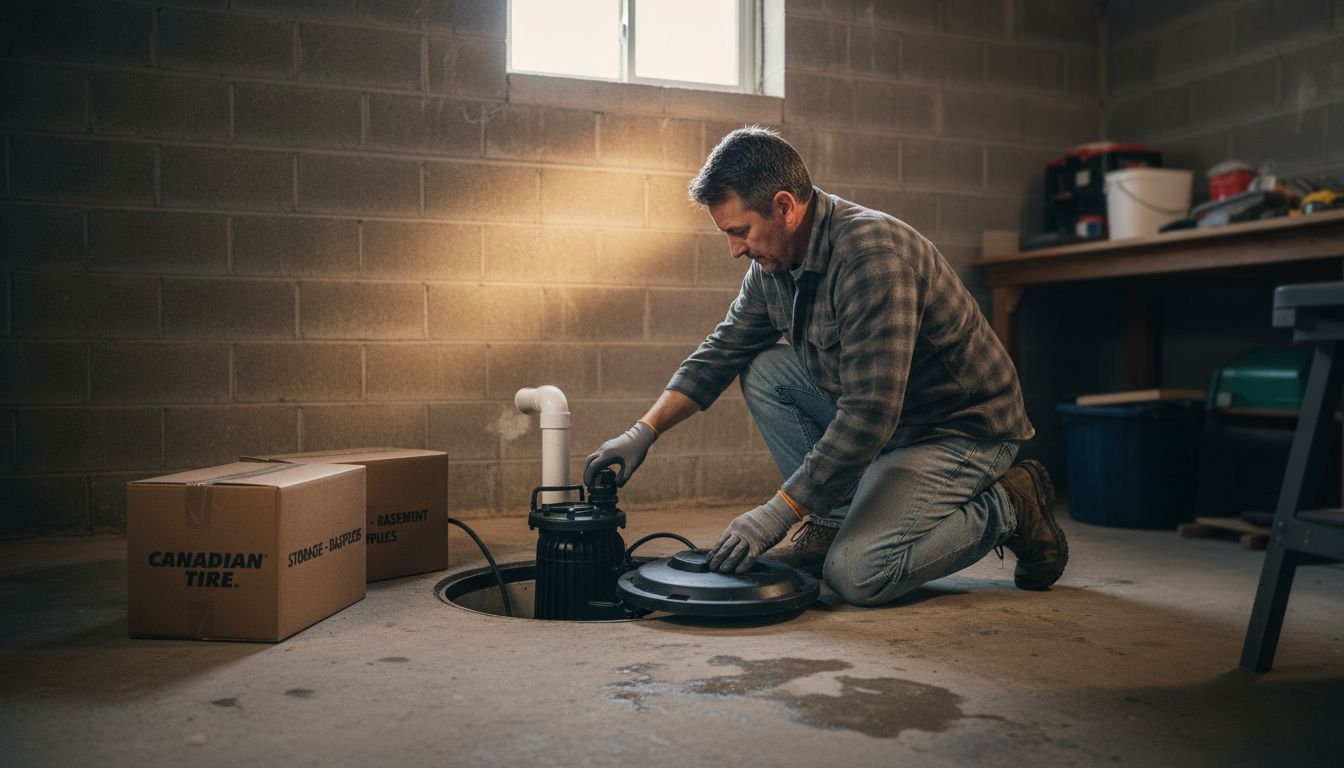
- Test Sump Pump : Ensure proper functioning during spring rainfall
- Check Water Pressure : Verify systems are operating at optimal levels
Consistent seasonal maintenance can prevent up to 80% of potential plumbing emergencies, saving homeowners significant repair costs and stress.
Autumn presents another critical maintenance window, allowing homeowners to prepare their plumbing systems for the upcoming winter. This includes checking insulation, inspecting exterior drainage systems, and addressing any vulnerabilities discovered during summer usage.
Pro tip: Create a seasonal maintenance calendar with specific plumbing checks for each time of year to stay proactive and prevent unexpected issues.
This table summarizes seasonal plumbing care priorities for Toronto homeowners:
| Season | Key Focus | Most Critical Action |
|---|---|---|
| Winter | Freeze prevention | Insulate exposed pipes |
| Spring | Damage inspection | Check for cracks and leaks |
| Summer | Increased usage prep | Clean drains and test sump pump |
| Autumn | Pre-winter readiness | Inspect insulation and drainage |
Common Mistakes and How to Avoid Them
Homeowners often inadvertently compromise their residential plumbing systems through well-intentioned but misguided actions. Understanding these common mistakes can help Toronto residents protect their home’s critical infrastructure and avoid costly repairs.
DIY Disaster Prevention
Many homeowners create unnecessary plumbing problems by attempting repairs without proper knowledge. Common plumbing emergencies often stem from amateur interventions that cause more harm than good:
- Overtightening Connections : Can damage seals and cause future leaks
- Using Incorrect Tools : Potentially scratching or breaking delicate plumbing components
- Ignoring Manufacturer Instructions : Voiding warranties and risking system damage
- Mismatching Pipe Materials : Creating potential corrosion and compatibility issues
Critical Maintenance Oversights
Neglecting routine maintenance creates significant long-term risks for residential plumbing systems. Homeowners frequently overlook essential preventative measures that could save thousands in potential repairs:
- Skipping Annual Inspections : Missing early signs of potential system failures
- Neglecting Drain Cleaning : Allowing gradual buildup that leads to major blockages
- Ignoring Minor Leaks : Permitting water damage to escalate silently
- Failing to Protect Pipes : Leaving pipes vulnerable during extreme weather
Small maintenance mistakes can lead to catastrophic plumbing failures that cost homeowners significantly more in emergency repairs.
Understanding the nuanced risks associated with Toronto’s unique urban environment requires homeowners to be proactive and informed about their residential plumbing systems. Recognizing potential pitfalls is the first step in preventing costly and disruptive plumbing emergencies.
Pro tip: Keep a detailed maintenance log documenting all plumbing interventions, repairs, and inspections to track your home’s plumbing health.
When to Upgrade or Call a Professional
Navigating residential plumbing maintenance requires homeowners to recognize critical moments when professional intervention becomes necessary. Understanding the difference between manageable DIY tasks and situations demanding expert attention can save significant time, money, and potential property damage.
Warning Signs Requiring Professional Assessment
Certain plumbing issues signal the immediate need for professional expertise. These red flags indicate potential systemic problems beyond simple repairs:
- Persistent Low Water Pressure : Could indicate hidden pipe damage or municipal supply issues
- Recurring Drain Blockages : Suggests deeper systemic problems in drainage infrastructure
- Unexplained Water Bill Increases : Potential sign of hidden leaks or system inefficiencies
- Discoloured or Unusual-Tasting Water : Indicates potential pipe corrosion or contamination
System Upgrade Considerations
Planning home renovations requires careful evaluation of existing plumbing infrastructure. Homeowners should consider professional upgrades when:
- Pipes Exceed 50 Years Old : Increased risk of corrosion and failure
- Frequent Repair Requirements : Ongoing maintenance becomes more expensive than replacement
- Non-Compliance with Current Building Codes : Potential safety and insurance risks
- Inefficient Water Systems : Opportunities for improved energy and water conservation
Professional plumbing assessments can prevent potential catastrophic failures and save homeowners thousands in emergency repair costs.
The complexity of Toronto’s urban plumbing infrastructure demands specialized knowledge. Professional plumbers understand local building codes, municipal regulations, and the unique challenges posed by the city’s aging residential systems.
Pro tip: Schedule a comprehensive plumbing inspection every three to five years to proactively identify potential upgrade requirements.
Keep Your Toronto Home Safe With Expert Residential Plumbing Care
The article highlights the challenges Toronto homeowners face with residential plumbing maintenance including risks like pipe freezing, corrosion, and unexpected leaks that can cause costly damage. You want peace of mind knowing your plumbing system is well cared for with routine inspections, professional repairs, and preventive maintenance such as backwater valve checks and drain cleaning. Avoid emergencies by understanding your unique seasonal needs and the risks posed by older pipe materials and urban infrastructure.
At DrainWorks Plumbing, our licensed and insured team brings over 30 years of experience helping Toronto residents protect their homes through reliable plumbing service. Whether you need leak detection, drain clog clearing, backwater valve installation, or a comprehensive sewer camera inspection our technicians deliver clear up-front pricing with no hidden fees. We are proud to be rated The Best Plumbers in Toronto and a 9X winner of the Best of HomeStars Award. Act now to secure your home’s plumbing by scheduling regular maintenance or a professional inspection with us at DrainWorks Plumbing. Learn more about our trusted services and how we can help prevent plumbing emergencies with effective seasonal care at DrainWorks Plumbing.
Frequently Asked Questions
What are the common plumbing maintenance tasks homeowners should perform?
Homeowners should conduct regular leak detection, drain cleaning, fixture inspections, and pipe condition assessments to maintain the health of their plumbing systems.
How can I prevent my pipes from freezing during winter?
To prevent pipes from freezing, insulate exposed pipes, disconnect outdoor hoses, seal foundation cracks, and check exterior drainage to ensure proper water flow away from your home.
When should I call a professional plumber for my plumbing issues?
Call a professional plumber if you experience persistent low water pressure, recurring drain blockages, unexplained water bill increases, or discolored water, as these can indicate serious underlying problems.
What should I do to prepare my plumbing system for seasonal changes?
Perform seasonal maintenance tasks such as inspecting for winter damage, cleaning drains, testing sump pumps, and checking water pressure to ensure your plumbing system operates efficiently year-round.
Recommended