
Drain Cleaning Explained: 80% Early Signs You Should Act
Most Toronto homeowners reach for chemical drain cleaners when they notice slow drainage, believing these products offer a quick fix. Research shows chemical cleaners are only 25% effective short-term and can damage aging pipes common in Toronto homes. Understanding proper drain cleaning methods, recognizing early warning signs, and knowing when to call professionals protects your plumbing investment and prevents costly emergency repairs down the road.
Table of Contents
- Introduction To Drain Cleaning And Why It Matters
- Common Causes And Mechanisms Of Drain Clogs In Toronto
- Symptoms And Early Warning Signs Of Drain Problems
- Professional Drain Cleaning Techniques Explained
- DIY Maintenance And When To Call A Professional
- Common Misconceptions About Drain Cleaning
- Prevention And Maintenance Strategies For Long-Term Drain Health
- Professional Drain Cleaning Services You Can Trust In Toronto
- Drain Cleaning FAQs For Toronto Homeowners
Key Takeaways
| Point | Details |
|---|---|
| Early warning signs matter | Slow drains, foul odors, and gurgling sounds indicate developing blockages that worsen without intervention. |
| Professional methods vary | Hydro jetting removes stubborn grease and roots thoroughly while snaking offers cost-effective solutions for minor clogs. |
| DIY has limits | Simple maintenance like strainers and hot water flushing helps between professional cleanings but can't replace expert assessment. |
| Prevention saves money | Routine inspections and proper maintenance extend pipe life and avoid expensive emergency repairs in Toronto's aging infrastructure. |
Introduction to Drain Cleaning and Why It Matters
Drain cleaning removes accumulated debris, mineral deposits, grease, and organic matter causing blockages in your plumbing system. This process restores proper water flow and prevents backups that damage your property. Toronto's aging infrastructure creates unique challenges for homeowners managing drain health.
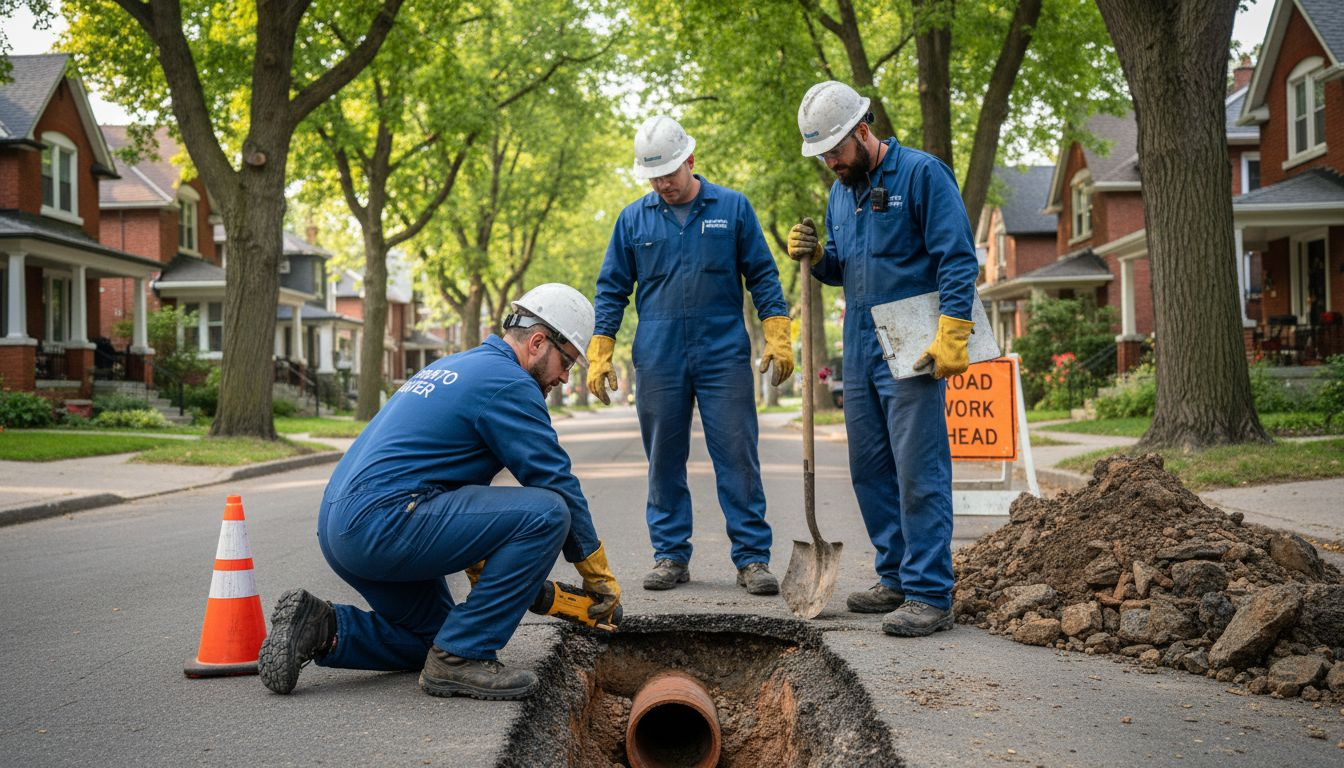
Many Toronto homes feature clay and cast-iron pipes installed decades ago. These materials corrode over time, creating rough interior surfaces where debris catches easily and clogs form faster. Tree roots infiltrate damaged pipe joints seeking water, creating severe blockages that require professional intervention.
Ignoring drain problems leads to serious consequences beyond inconvenience. Water backup causes property damage to floors, walls, and foundations. Standing water creates health hazards through bacteria growth and mold formation. Emergency repairs cost significantly more than preventative maintenance, with urgent service calls averaging two to three times standard rates.
Proper drain maintenance protects your home's plumbing system and your budget. Understanding what causes clogs, recognizing symptoms early, and knowing which cleaning methods work best empowers you to make smart decisions about your drains.
Common Causes and Mechanisms of Drain Clogs in Toronto
Several factors contribute to drain blockages in Toronto homes, with some causes more common than others. Up to 65% of residential drain issues in Toronto result from hair, grease, soap scum, and root intrusions. Understanding these culprits helps you prevent future problems.
Typical clog sources include:
- Hair combines with soap residue to form dense mats in bathroom drains
- Grease solidifies as it cools in kitchen pipes, trapping food particles
- Food waste accumulates even with garbage disposals, especially fibrous vegetables and coffee grounds
- Soap scum builds up over time, narrowing pipe diameter gradually
- Tree roots penetrate pipe joints and grow inside, creating complete blockages
- Foreign objects like wipes, cotton swabs, and hygiene products create instant obstructions
Toronto's plumbing infrastructure compounds these issues. Aging clay and cast-iron pipes develop rough interior surfaces through corrosion and mineral deposits. These rough spots catch debris more easily than smooth modern PVC pipes. Joint separations in older pipes allow root infiltration and soil intrusion.
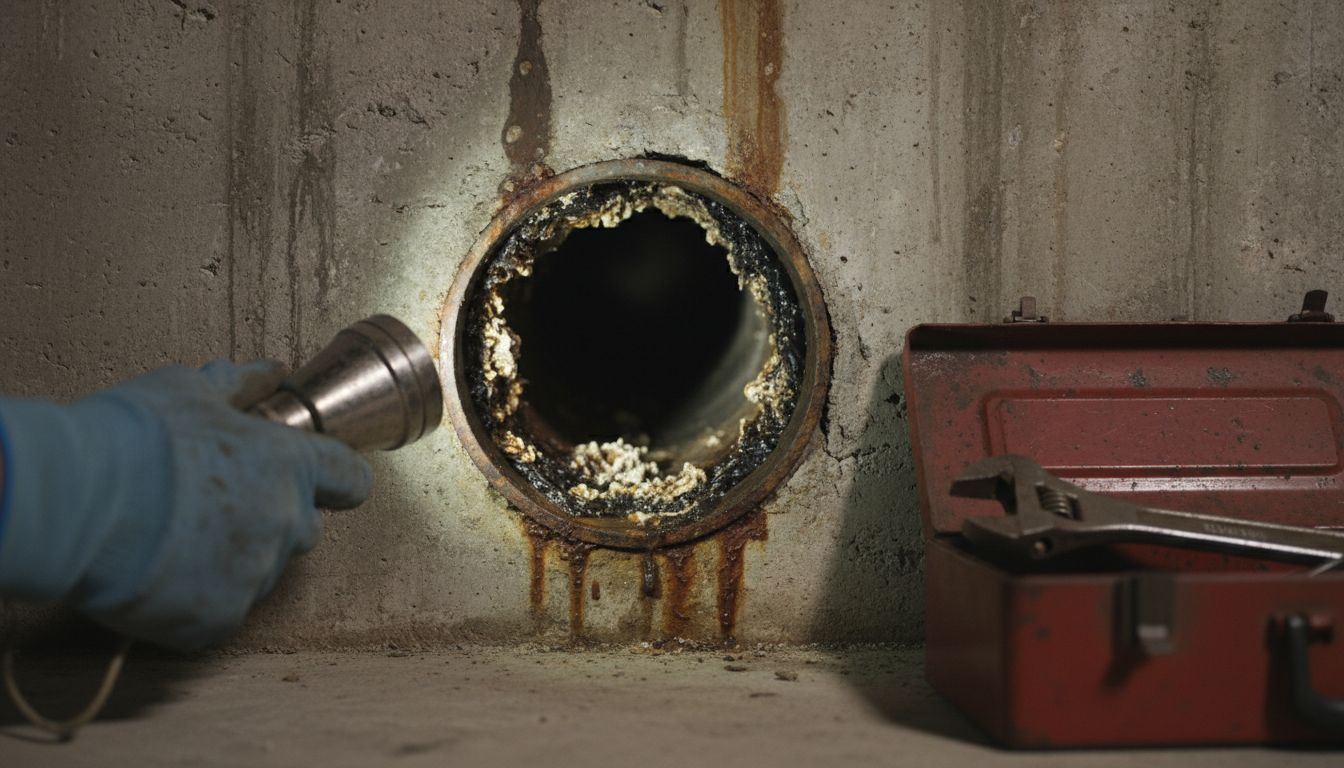
Local water quality also plays a role. Hard water common in Toronto contains high mineral content that accumulates inside pipes over time. These mineral deposits narrow pipe diameter and create rough surfaces where organic matter sticks more readily.
| Clog Type | Typical Location | Severity Level | Professional Help Needed |
|---|---|---|---|
| Hair and soap | Bathroom drains | Low to Medium | If recurring or complete blockage |
| Grease buildup | Kitchen sinks | Medium to High | For deep pipe accumulation |
| Tree roots | Main sewer line | High | Always requires professional removal |
| Foreign objects | Any drain | Medium to High | If not retrievable with plunger |
The combination of Toronto's aging pipes and typical household debris creates conditions where drain repair challenges in Toronto require both preventative care and timely professional intervention.
Symptoms and Early Warning Signs of Drain Problems
Recognizing drain problems early prevents minor issues from becoming expensive emergencies. Your plumbing system sends clear signals when blockages develop, and paying attention saves money and stress.
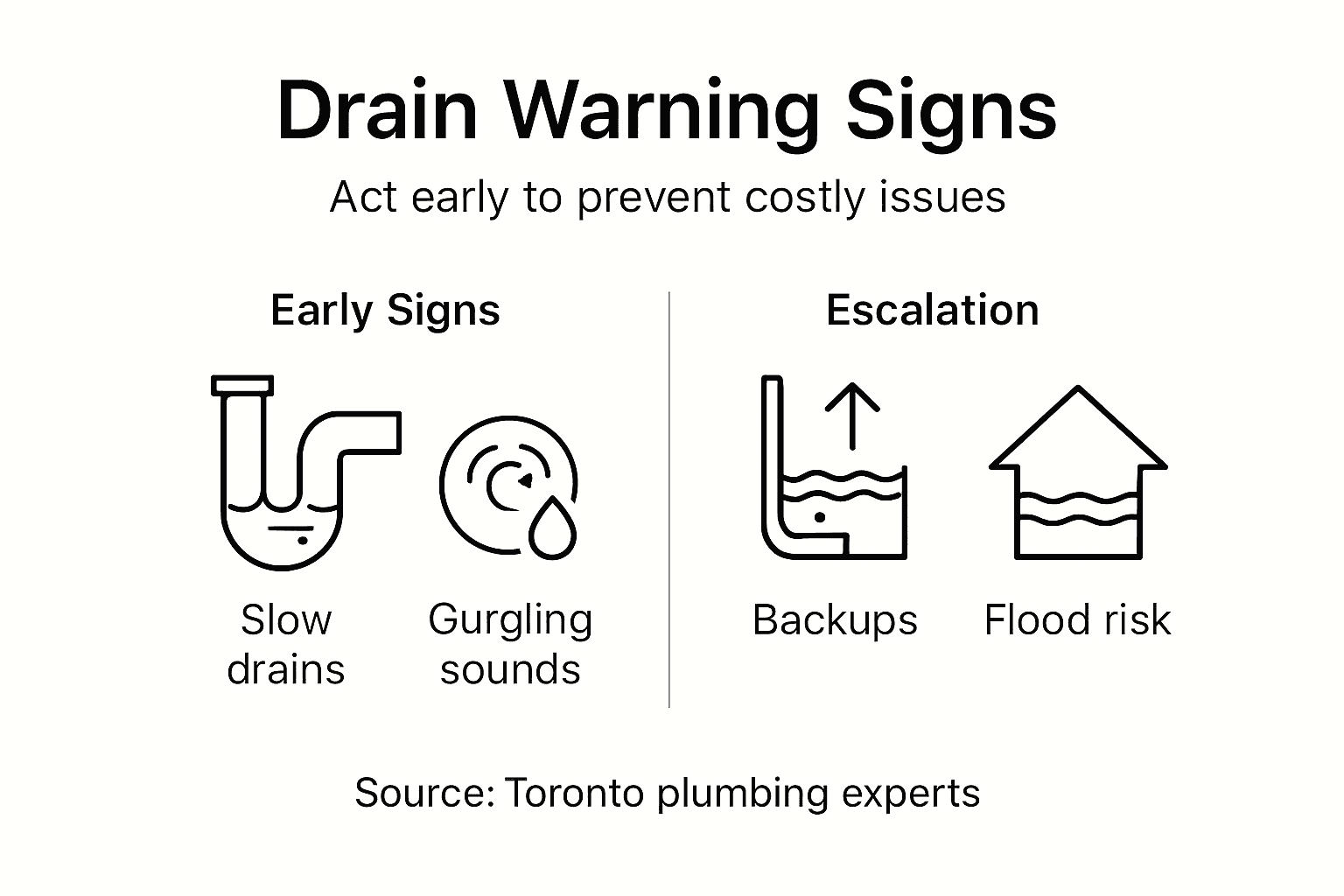
Studies show 80% of drain emergencies initially present as slow drainage or odors before escalating to main sewer line backups. This statistic highlights how crucial early detection proves for Toronto homeowners.
Watch for these warning signs:
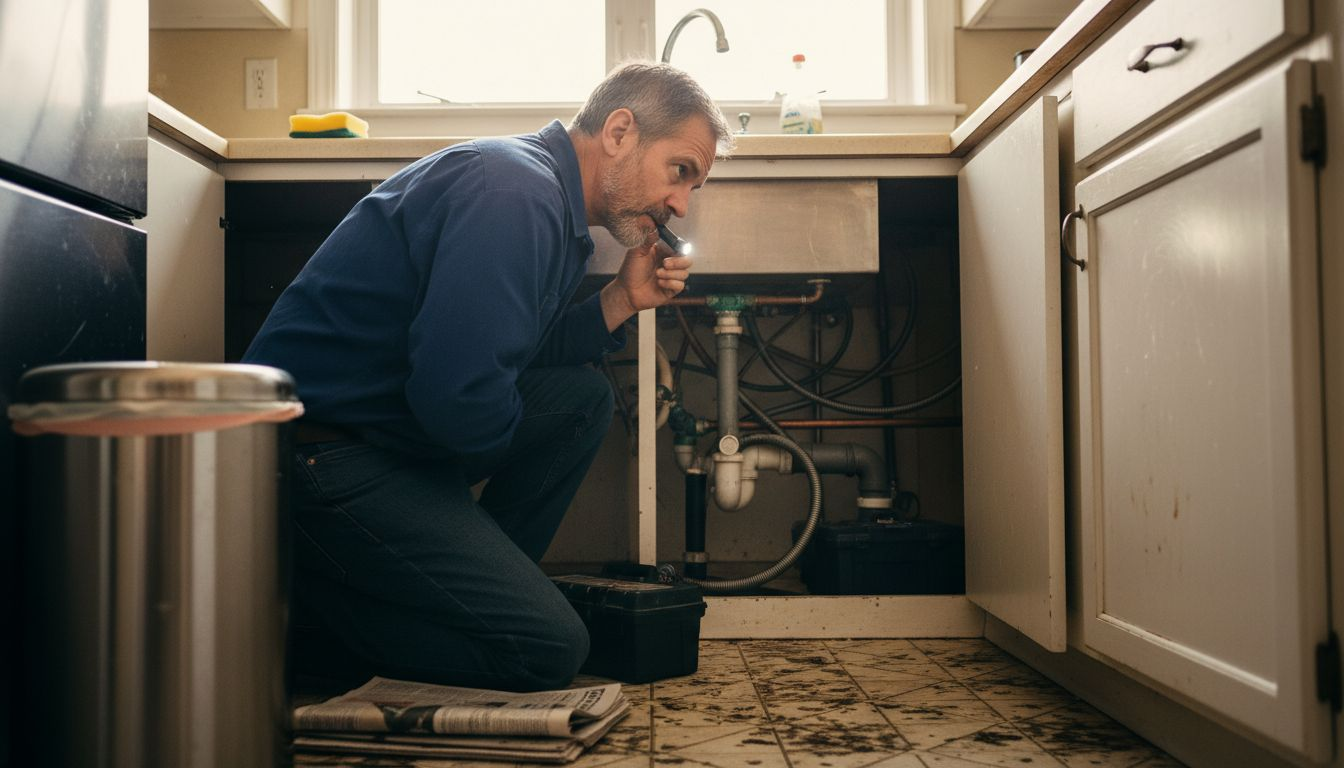
- Slow drainage in sinks, tubs, or showers indicates partial blockage developing deeper in pipes
- Foul odors emanating from drains signal organic matter decomposing in your plumbing system
- Gurgling sounds when water drains suggest air trapped by blockages trying to escape
- Water backing up in one fixture when using another points to main line obstruction
- Multiple fixtures draining slowly simultaneously indicates serious blockage in main sewer line
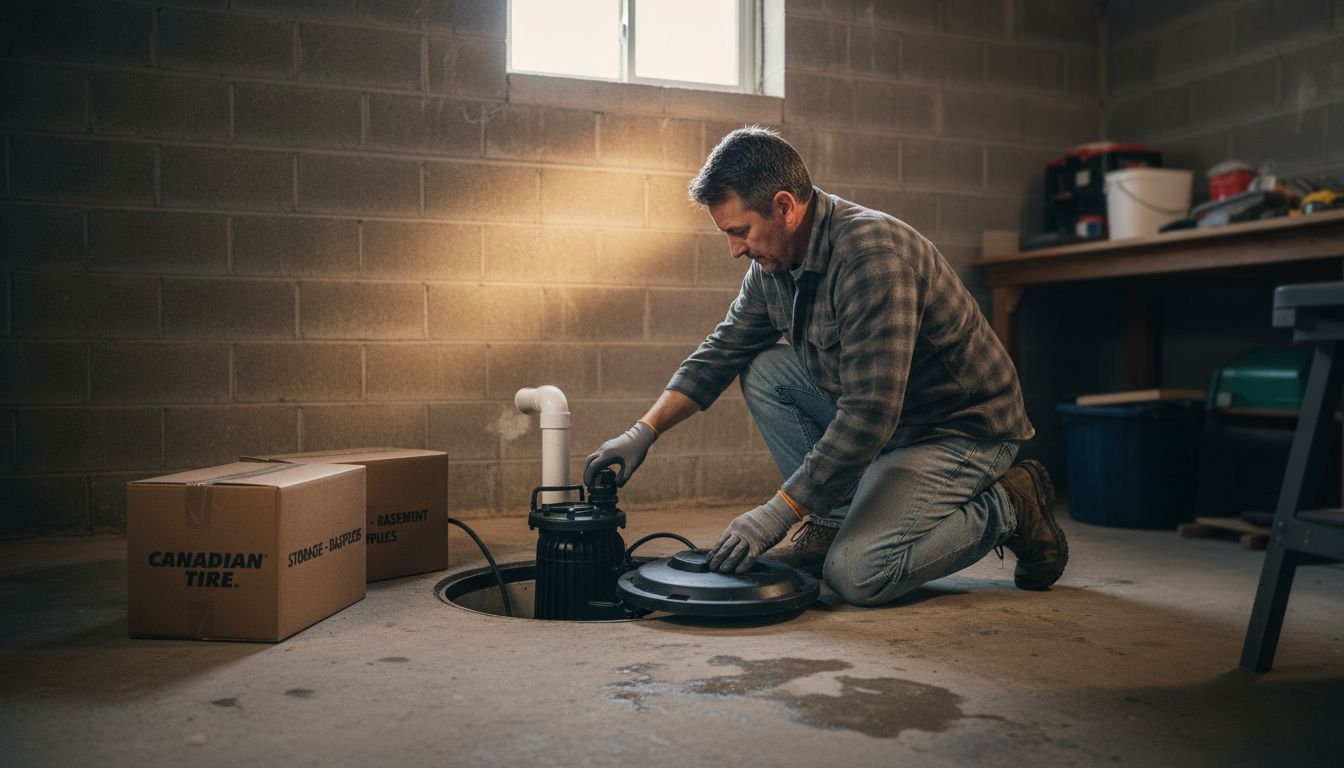
- Standing water in basement floor drains warns of potential sewer backup risk
These symptoms correlate directly with blockage severity. Slow drainage in a single fixture typically means localized buildup you might address with simple maintenance. Multiple slow drains throughout your home signal problems in your main sewer line requiring immediate professional attention.
Pro Tip: Test your drains monthly by running water in all fixtures simultaneously. If any drain slows significantly, schedule inspection before the problem worsens. This simple check catches developing blockages early.
Ignoring early warning signs of drain blockages allows minor clogs to grow into complete blockages. What starts as slightly slow drainage becomes standing water that won't drain at all. At this point, you face emergency service costs and potential property damage from backups.
Timing matters significantly. Addressing slow drains during business hours costs far less than emergency calls. More importantly, early intervention often requires simpler, less expensive solutions than advanced blockages demand. Understanding these signs of serious drain problems empowers you to act before small issues become major headaches.
Professional Drain Cleaning Techniques Explained
Professional plumbers use several methods to clear drain blockages, each suited to specific situations. Understanding these techniques helps you make informed decisions when hiring services and discussing options with technicians.
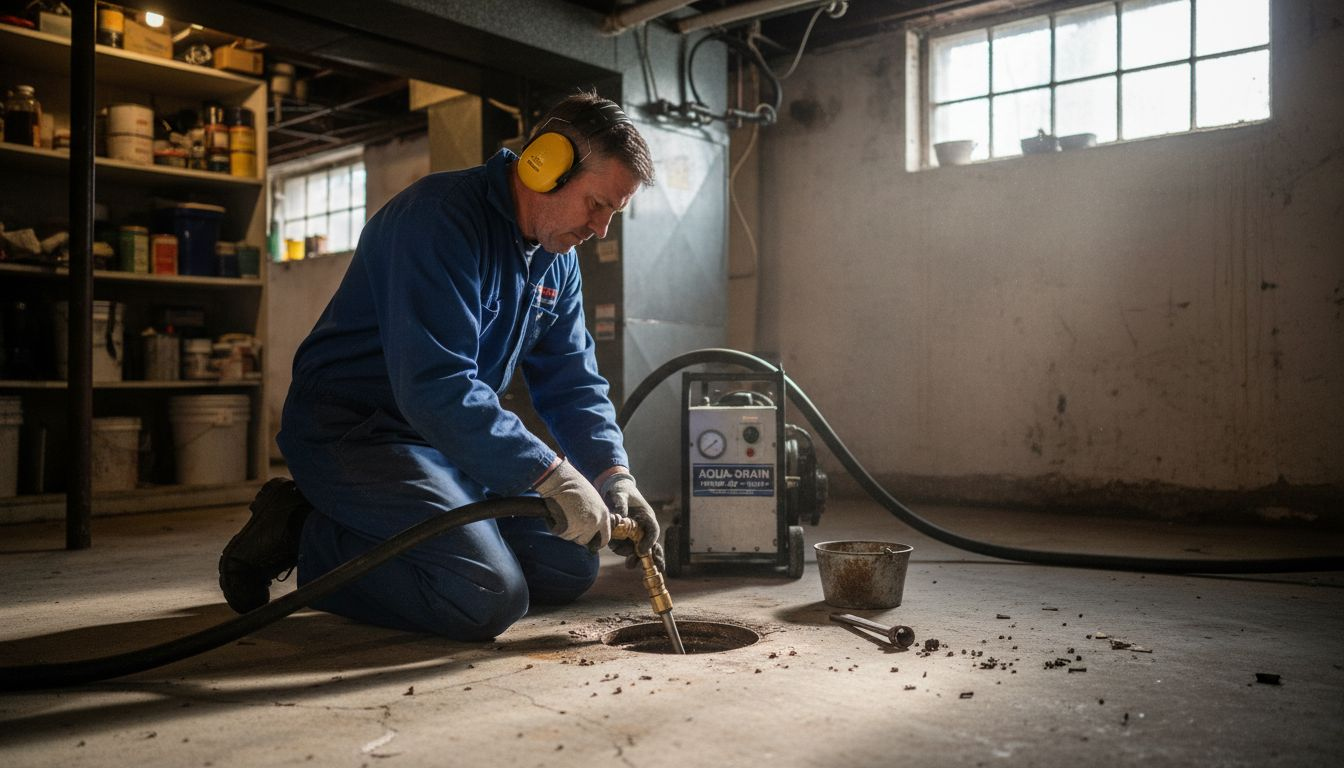
Hydro jetting uses high-pressure water streams reaching 3,000 to 4,000 PSI to scour pipe interiors completely clean. This method removes grease, scale, roots, and debris that cling to pipe walls. Hydro jetting benefits and details show it provides the most thorough cleaning available, often lasting years before buildup recurs. The process costs more upfront but delivers superior long-term value for severe blockages and preventative maintenance.
Drain snaking, also called rootering, feeds a flexible metal cable with a cutting head into your pipes to break through blockages mechanically. This drain snaking applications method works well for localized clogs from hair, paper, or small root intrusions. Snaking costs less than hydro jetting but provides temporary relief rather than comprehensive cleaning. Debris remains on pipe walls, allowing faster clog reformation.
Camera inspections use waterproof video cameras attached to flexible cables to visually assess pipe conditions. Technicians identify blockage locations, causes, and pipe damage before selecting treatment methods. This diagnostic step prevents guesswork and ensures appropriate solutions for your specific situation.
| Method | Best For | Effectiveness | Typical Cost | Longevity |
|---|---|---|---|---|
| Hydro Jetting | Grease, roots, scale buildup | 95-100% clear | Higher investment | 2-5 years |
| Drain Snaking | Hair, paper, minor clogs | 70-85% clear | Budget friendly | 6-18 months |
| Camera Inspection | Diagnosis, pipe assessment | Diagnostic only | Moderate | N/A |
| Chemical Cleaners | Emergency temporary relief | 25% effective | Low upfront | Days to weeks |
Each method serves different needs. Hydro jetting makes sense for recurring problems, main line blockages, or homes with aging pipes prone to buildup. Snaking works for isolated incidents in branch lines where complete cleaning isn't necessary. Camera inspections prove invaluable when blockages recur frequently or you're considering property purchase.
Pro Tip: Request camera inspection before major drain work. Seeing actual pipe conditions helps you understand whether simple cleaning suffices or pipe replacement becomes necessary. This transparency prevents surprise recommendations mid-service.
Professionals combine these techniques strategically. They might snake a drain for immediate relief, then recommend hydro jetting to prevent recurrence. Understanding these options helps you discuss your situation knowledgeably and choose services matching your needs and budget.
DIY Maintenance and When to Call a Professional
Homeowners can handle basic drain maintenance between professional cleanings, but knowing your limits prevents costly mistakes. Simple preventative care extends time between service calls and keeps drains flowing smoothly.
Effective DIY maintenance includes:
- Installing mesh strainers over all drains to catch hair and food particles before they enter pipes
- Flushing drains weekly with very hot water to melt minor grease accumulation
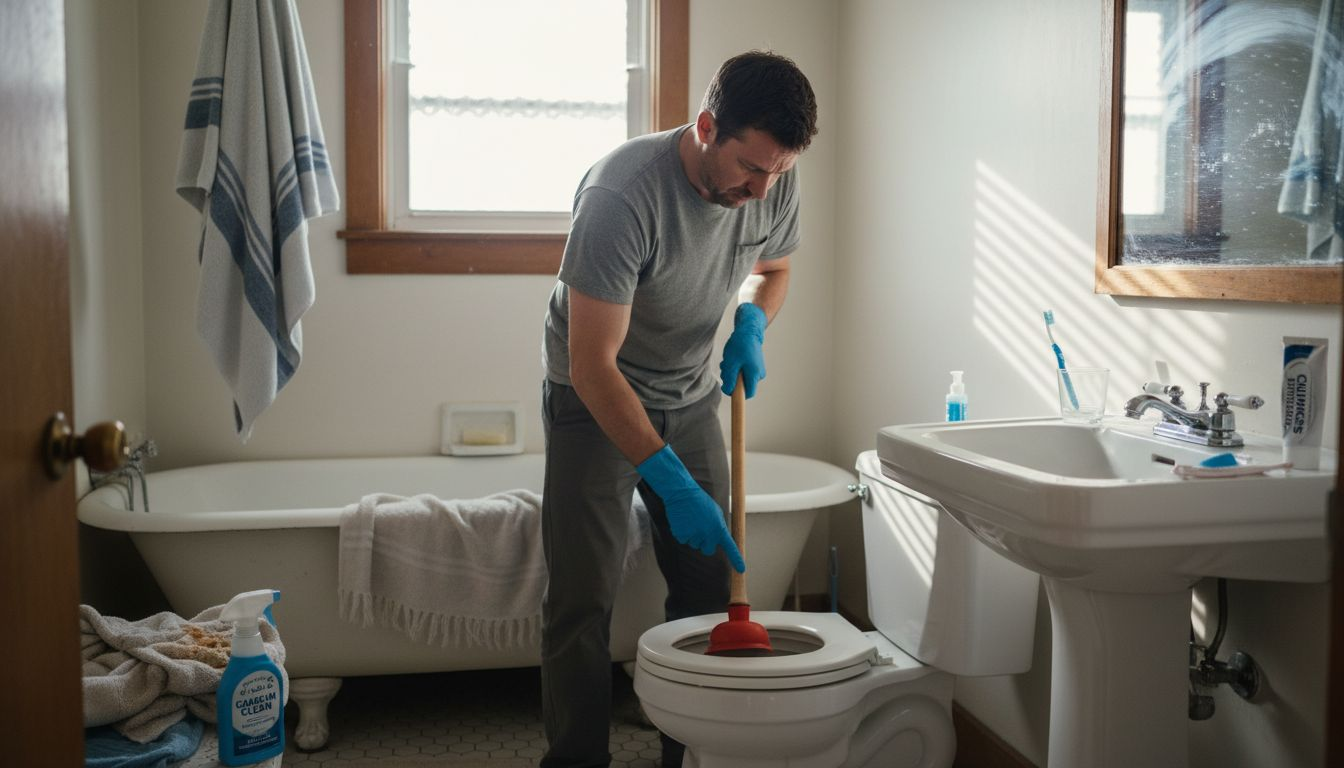
- Using manual plungers for minor clogs in sinks and toilets
- Cleaning pop-up stoppers and drain covers monthly to remove trapped debris
- Running cold water when using garbage disposals to solidify grease for easier grinding
- Avoiding pouring cooking oil or grease down any drain
Chemical drain cleaners deserve caution despite widespread availability. These products contain harsh acids or bases that generate heat to dissolve organic matter. While they occasionally clear minor clogs, they damage pipes with repeated use, especially older metal pipes common in Toronto homes. The chemicals corrode pipe walls and can cause leaks requiring expensive repairs.
Pro Tip: Keep a manual drain snake for minor hair clogs in bathroom sinks and tubs. These simple tools cost under $20 and handle most shower drain issues without chemicals or service calls.
Recognize when DIY efforts should stop and professional drain cleaning services in Toronto become necessary:
- Multiple fixtures draining slowly indicates main line problems beyond DIY scope
- Water backing up in unexpected places signals serious blockage requiring professional equipment
- Repeated clogs in the same drain despite your efforts means deeper issues need assessment
- Foul sewage odors persisting after cleaning attempts suggest venting problems or severe blockages
- Visible sewage backup creates health hazards requiring immediate expert intervention
When calling professionals, choosing a professional drain cleaner involves checking licensing, insurance, and reviews. Ask about diagnostic methods, especially camera inspections. Request upfront pricing before work begins. Reputable companies provide clear explanations and options rather than pressure tactics.
Attempting advanced DIY repairs often worsens problems. Improper snaking techniques can puncture pipes. Excessive chemical use damages pipe integrity. Over-plunging can force blockages deeper into your system. These mistakes transform simple service calls into major repairs costing thousands more than original professional cleaning would have cost.
Common Misconceptions About Drain Cleaning
Several persistent myths about drain cleaning lead homeowners to make poor decisions. Understanding reality helps you avoid wasting money and damaging your plumbing system.
Chemical drain cleaners permanently fix clogs. This belief causes the most damage. These products only dissolve organic matter they contact directly, leaving buildup on pipe walls untouched. Their 25% effectiveness rate means three-quarters of clogs return quickly. Worse, the corrosive chemicals eat away at pipes with each use, particularly damaging older metal pipes. The short-term convenience creates long-term pipe damage requiring expensive replacement.
Slow drains will clear up on their own. Drainage slows because accumulating debris narrows pipe diameter. Without intervention, more debris catches on existing buildup, accelerating blockage formation. What starts as minor inconvenience becomes complete obstruction. The "wait and see" approach guarantees more expensive repairs than early professional cleaning would cost.
DIY methods always save money compared to professional service. Improper DIY attempts often worsen problems. Pushing blockages deeper into your system, damaging pipes with excessive force, or using harsh chemicals that corrode pipes transforms simple clogs into major repairs. Professional service costs $150 to $400 for standard cleaning. DIY mistakes leading to pipe replacement cost $3,000 to $8,000. False economy proves expensive.
All drain cleaning methods work equally well. Different blockage types require specific approaches. Hydro jetting excels at grease and mineral deposits. Snaking works for hair and paper. Root intrusions need specialized cutting equipment. Using wrong methods wastes time and money without solving problems. Professional assessment matches solutions to actual conditions.
You only need drain cleaning when blockages occur. Preventative maintenance costs less than emergency repairs and prevents damage. Regular cleaning removes accumulating debris before complete blockages form. Annual or biannual professional service extends pipe life and maintains optimal drainage. This proactive approach saves money long-term compared to reactive emergency calls.
Prevention and Maintenance Strategies for Long-Term Drain Health
Preventing drain problems costs far less than fixing them. Implementing consistent maintenance routines protects your plumbing investment and minimizes emergency repairs.
Routine professional drain cleaning every one to two years removes accumulating debris before serious blockages develop. Homes with older pipes, large trees nearby, or histories of clogs benefit from annual service. Newer homes with fewer risk factors can extend to biannual cleaning. This preventative approach costs $200 to $400 annually but prevents $1,000-plus emergency repairs.
Simple preventative measures significantly reduce clog frequency. Install quality mesh strainers over all drains and clean them weekly. Never pour grease, oil, or fat down drains; instead, collect in containers and dispose with trash. Run cold water during and after garbage disposal use. Flush drains weekly with very hot water. These habits take minutes but prevent hours of problems.
Schedule professional inspections for homes with pipes over 30 years old. Camera inspections reveal developing issues like root infiltration, pipe corrosion, or joint separation before they cause backups. Early detection allows planned repairs during convenient times rather than emergency situations. This proactive strategy gives you control over timing and costs.
Establish a maintenance routine following these steps:
- Clean all drain strainers and stoppers weekly, removing trapped hair and debris.
- Flush all drains with very hot water for two minutes weekly to melt minor grease accumulation.
- Check all visible pipes monthly for leaks, corrosion, or moisture indicating problems.
- Test drainage speed monthly by running all fixtures simultaneously and noting any slowdowns.
- Schedule annual or biannual professional cleaning based on your home's age and history.
- Keep records of all service, noting which drains experience problems most frequently.
- Address slow drainage within two weeks before minor issues become major blockages.
These water-saving and drain prevention strategies also reduce water waste while protecting your drains. Efficient fixtures minimize unnecessary water flowing through your system, reducing wear and extending pipe life.
Consider seasonal factors in Toronto. Spring thaw can shift soil around pipes, potentially damaging joints and allowing root infiltration. Fall leaf accumulation can enter outdoor drains if not properly screened. Adjust your inspection schedule to account for these seasonal challenges specific to our region.
Professional Drain Cleaning Services You Can Trust in Toronto
When drain problems exceed DIY solutions, you need reliable professionals who deliver lasting results without surprise charges. DrainWorks Plumbing brings over 30 years of experience serving Toronto homeowners with comprehensive drain and plumbing solutions.
Our licensed technicians handle everything from minor clogs to complex main line blockages using advanced equipment including hydro jetting systems and video camera inspection technology. Whether you face recurring kitchen drain issues or serious sewer line problems, we diagnose accurately and fix problems right the first time.
We've earned recognition as The Best Plumbers in Toronto from Toronto Life Magazine twice, plus nine HomeStars Best of Awards including Best of the Best 2025. Our A+ BBB rating and Baeumler Approved status reflect our commitment to quality workmanship and customer satisfaction. We offer same-day emergency service between 8am and 7pm when urgent issues arise.
Our professional plumbing repairs in Toronto extend beyond drain cleaning to comprehensive residential plumbing service. From expert drain unclogging services to advanced hydro jetting solutions, we provide upfront pricing with no hidden fees. Our full-time, non-commissioned technicians focus on solving your problems rather than upselling unnecessary services. Contact us to protect your home from costly drain emergencies.
Drain Cleaning FAQs for Toronto Homeowners
When is it necessary to call a professional plumber for drain issues?
Call professionals when multiple fixtures drain slowly simultaneously, water backs up in unexpected locations, or the same drain clogs repeatedly despite your maintenance efforts. Foul sewage odors or visible sewage backup require immediate professional attention to prevent health hazards and property damage.
Are chemical drain cleaners safe for regular use in Toronto homes?
No, chemical cleaners damage pipes with repeated use and prove only 25% effective at clearing clogs. They corrode metal pipes common in older Toronto homes and can cause leaks requiring expensive repairs. Hot water flushing and professional cleaning provide safer, more effective alternatives.
How often should I schedule professional drain cleaning to prevent problems?
Most Toronto homes benefit from professional cleaning every one to two years. Homes with aging pipes over 30 years old, large trees nearby, or histories of recurring clogs should schedule annual service. Newer homes with fewer risk factors can extend to biannual cleaning for adequate maintenance.
Can tree roots cause damage that DIY methods can't fix?
Yes, tree roots penetrate pipe joints seeking water and grow inside pipes, creating blockages DIY methods cannot address. Roots require professional cutting equipment and hydro jetting to remove completely. Camera inspection identifies root intrusion extent and determines whether pipe repair or replacement becomes necessary.
What maintenance can I do to keep drains clear between professional visits?
Install mesh strainers over all drains and clean them weekly. Flush drains with very hot water weekly. Never pour grease or oil down drains. Run cold water when using garbage disposals. These simple habits significantly reduce clog formation and extend time between professional cleanings.
Recommended