
Summer's End Plumbing Checklist: Keep Your Plumbing in Top Shape!
Summer's End Plumbing Checklist:
Keep Your Plumbing in Top Shape!
School is back, the days are getting shorter, and the nights are getting colder, signaling the end of another wonderful summer. It's time to shift our focus from beach days and backyard BBQs to preparing our homes for the changing season.
One essential aspect of this preparation is to follow an end-of-summer plumbing checklist. Plumbing issues can escalate quickly and result in costly repairs if not addressed promptly. Taking a proactive approach to assess and maintain your home's plumbing system can save you both time and money.
Let's explore the steps you can take to prepare your plumbing before the upcoming autumn chill.
Inspect and Clean Outdoor Drains:
Before the heavy volume of autumn rains arrive, it's important to inspect and clean your gutters, downspouts, and catch basins. Clear away any summer debris like leaves and twigs to ensure proper rainwater flow and drainage.
Clogged drains like these can lead to water overflow and sitting water can potentially cause water damage to your foundation.
Check Outdoor Faucets and Hoses:
You should winterize outdoor plumbing every fall to prevent the hose line from freezing. Use the inside shut-off valve to turn the water line off. If you do not have one, get one installed.
Then disconnect and drain water from all garden hoses. Store hoses in a dry place to prevent cracking during the colder months. Open and leave open the outdoor hose faucet to drain all remaining water from the pipe. Open the drain port on the inside shut-off valve to aid in making the pipe water-free.
You have now winterized the water line. If there are any leaks or the water does not shut off, call a plumber for outdoor faucet plumbing services in Toronto.
Insulate Exposed Pipes:
As temperatures drop, exposed pipes are at risk of freezing and potentially bursting, causing significant water damage.
Pipes burst because as water freezes it expands. You might not notice a burst pipe right away since the water is frozen, but you'll see the leak as it thaws. In this case, you will need frozen pipe repairs.
Insulate any pipes in unheated areas of your home, such as the basement, attic, or crawl spaces, using pipe insulation. If possible, explore the possibility of rerouting pipes away from cold zones. This preventive step can save you from expensive repairs and potential water damage.
Check for Leaks:
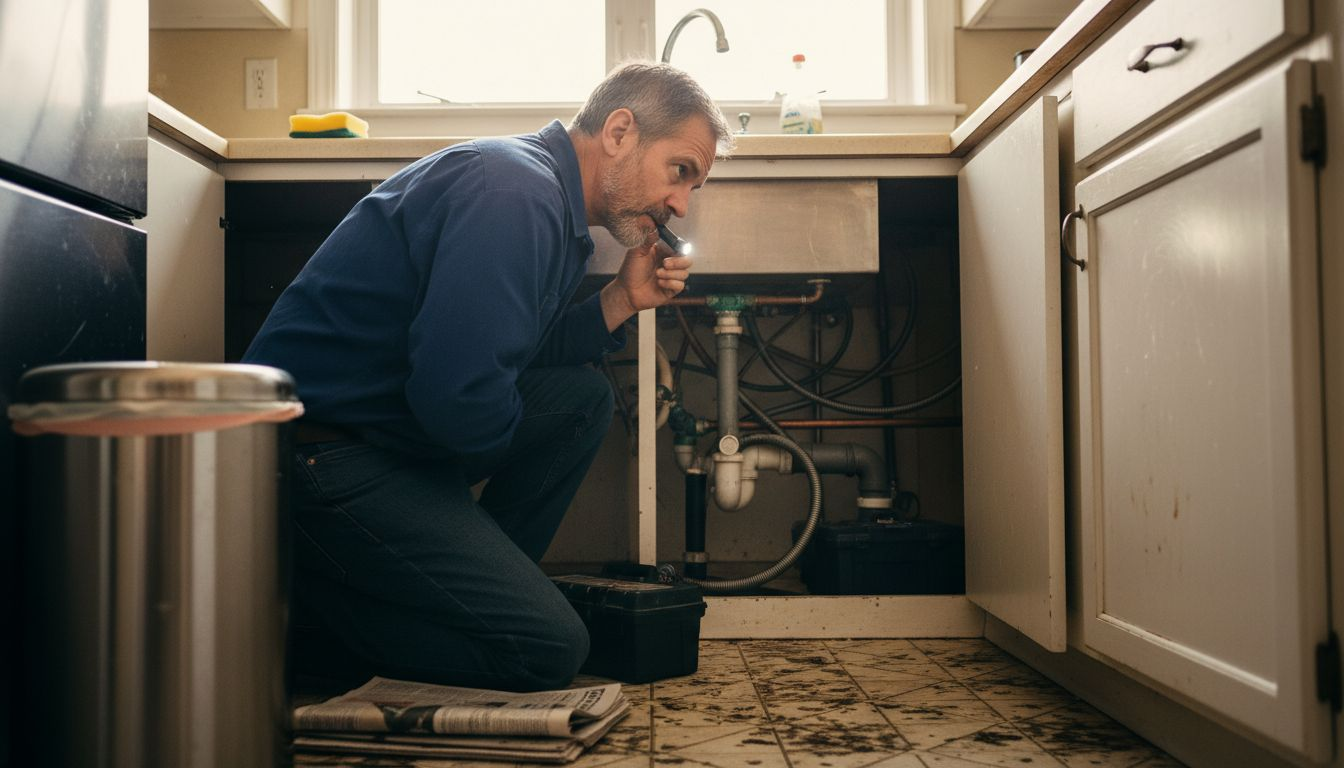
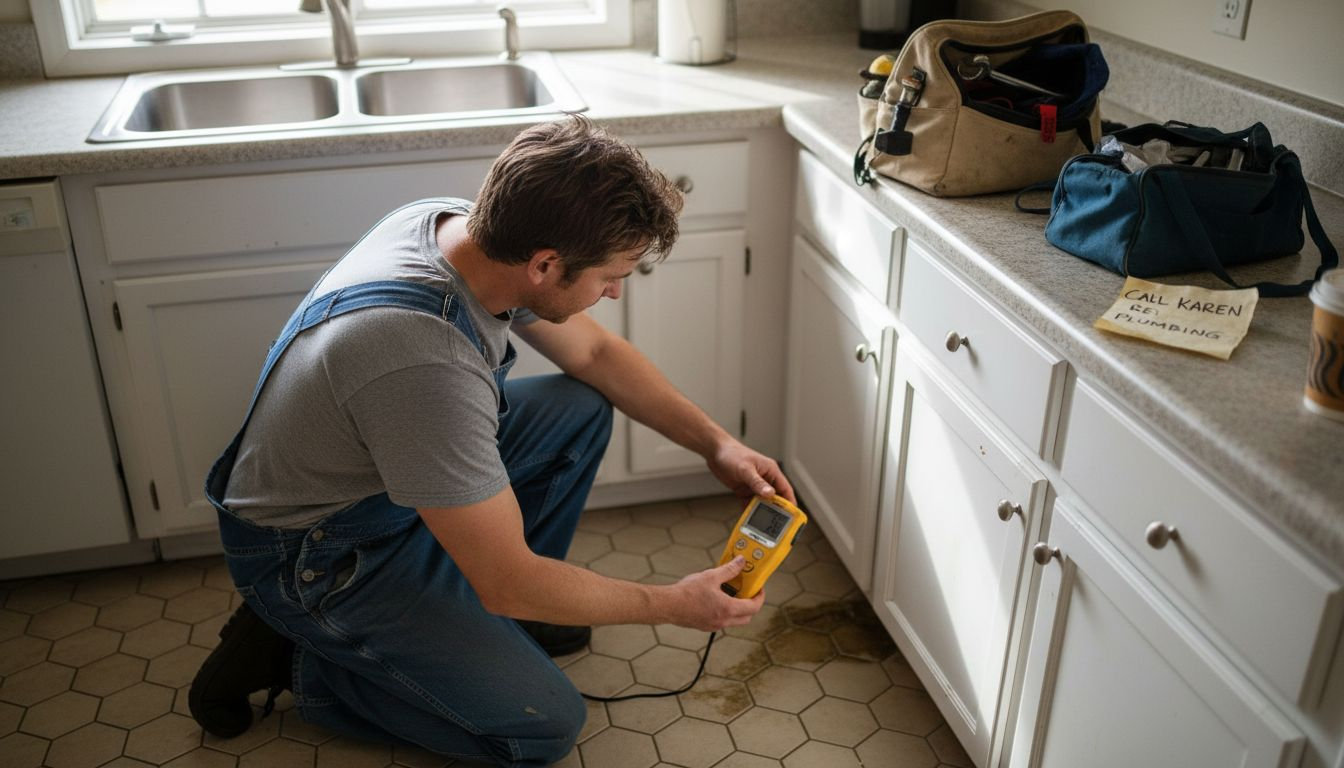
You can hire a plumber for a full home plumbing inspection or check the visible pipes for leaks and corrosion yourself.
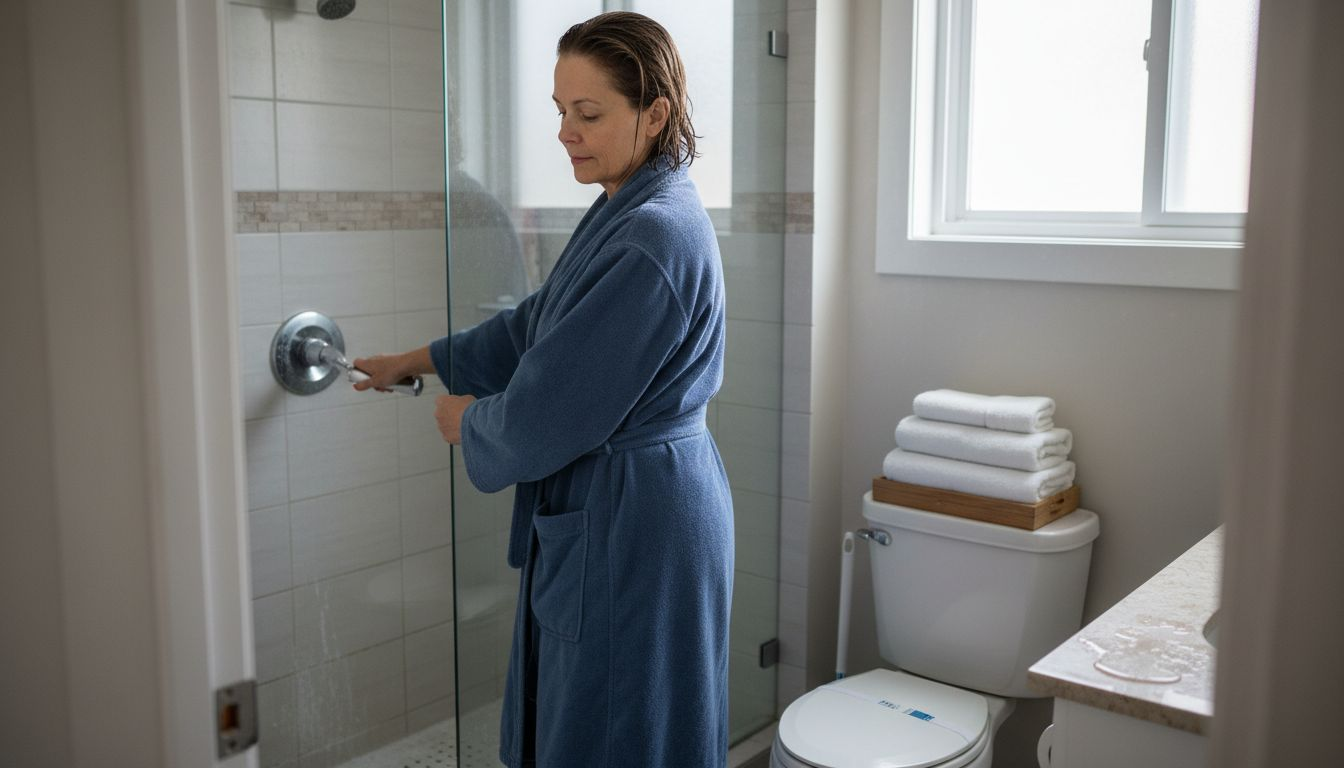
Check all toilets to ensure they aren’t running on and wasting water. An undiagnosed leaking toilet can cause a high water bill. A proven method to detect hidden plumbing leaks is to monitor the water meter for any movement when no water is in use.
Even a minor toilet drip can waste a significant amount of water over time; be bad for your pocket and bad for the environment. If you find any toilet leaks, call a professional plumber for a
toilet repair immediately.
Test Sump Pump Functionality:
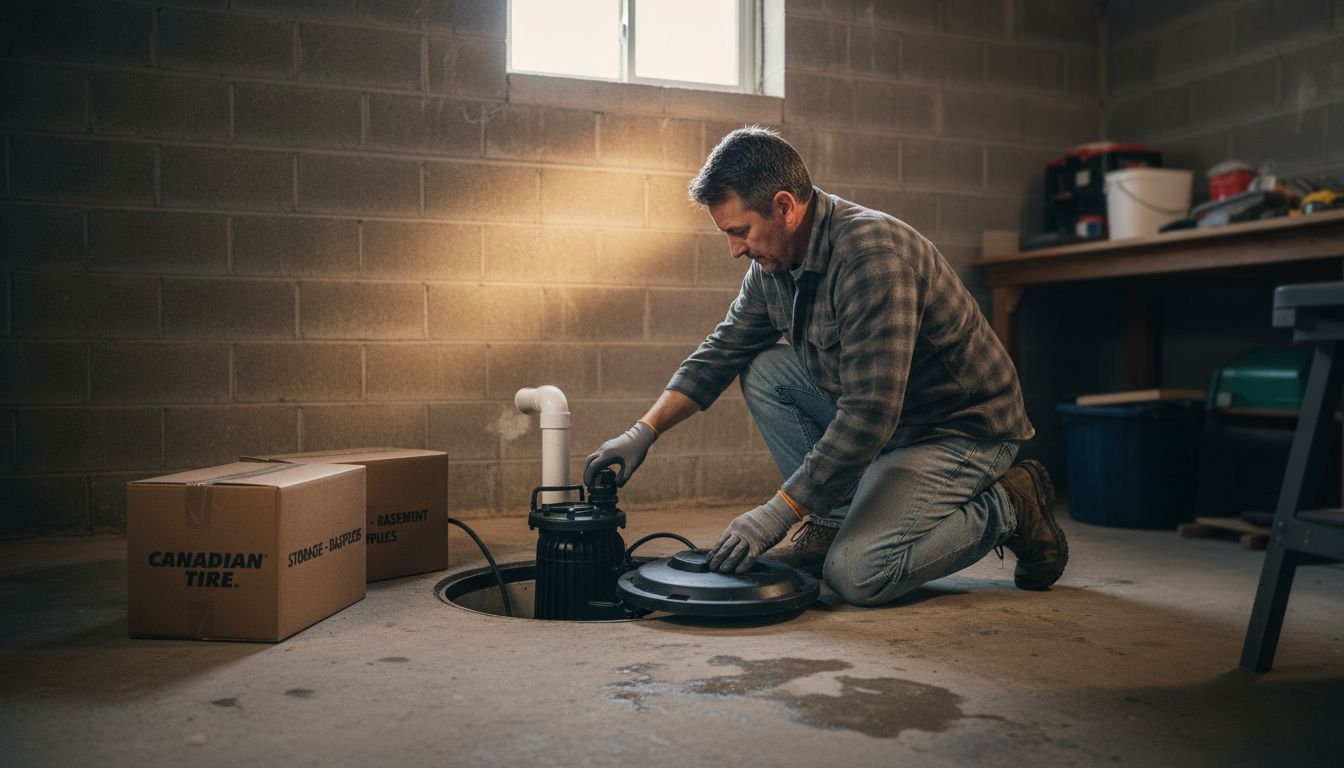
Before the rainy season begins, test the functionality of your home's sump pump. Pour water into the sump pit to ensure the pump activates and discharges water correctly. If you have a battery backup sump pump, ensure the batteries are new.
A well-functioning sump pump can prevent flooding in your basement, saving you from potential headaches and expensive water damage repairs.
Test & Inspect Drains:
Run water in sinks, showers, and tubs to test the speed of drainage. Also, pour a bucket of water down the floor drain. Slow drain pipes may indicate a drain problem and the need for drain cleaning.
Avoid using chemical drain cleaners, as they can be harmful to your plumbing system. Instead, use a plunger or seek professional help with drain snaking for stubborn clogs.
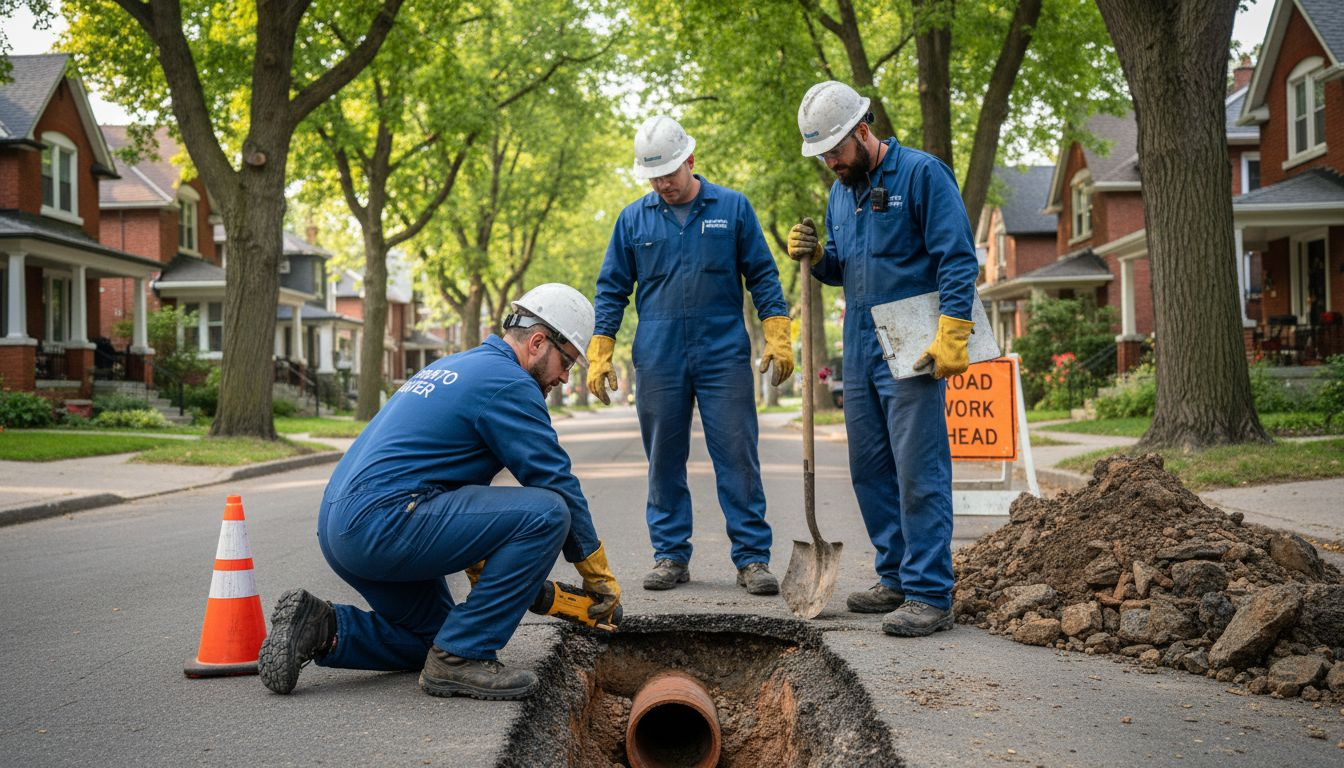
Proactively inspect your sewer line for issues by hiring a plumber for
plumbing camera scoping. It’s like an x-ray for your drain and can identify tree roots.
If drain repairs or replacements are needed, they'll know exactly what to do.
Installing a backwater valve is also a great way of preventing a water backup.
Check for
rebates for a Toronto back water valve.
Finishing a late-summer plumbing checklist is a wise way to keep your home's plumbing in great shape:
Taking proactive steps to prepare your plumbing and address potential plumbing issues can go a long way. Preventing costly repairs, water wastage, and property damage.
So, roll up your sleeves and begin your end-of-summer plumbing checklist. Check gutters, outdoor faucets, pipes, and drains for leaks or issues to ensure a smooth transition into autumn and beyond.
Remember that when in doubt, it's always best to seek the expertise of a professional plumber in Toronto like DrainWorks Plumbing. With our 25 + years of expertise, we are the best plumbers in Toronto. We can tackle any plumbing service or drain service you may need. We can also perform this checklist for you.
Call 416 486-0000 during our business hours, alternatively you can book a plumber online.
Thanks For Reading "Summer's End Plumbing Checklist: Keep Your Plumbing in Top Shape"
Thanks for reading "Summer's End Plumbing Checklist: Keep Your Plumbing in Top Shape".
Make sure to check out our other plumbing blogs below like "Plumbing ‘DIY’ Projects to Avoid".