
7 Smart Ways to Improve Home Safety for Seniors in Toronto
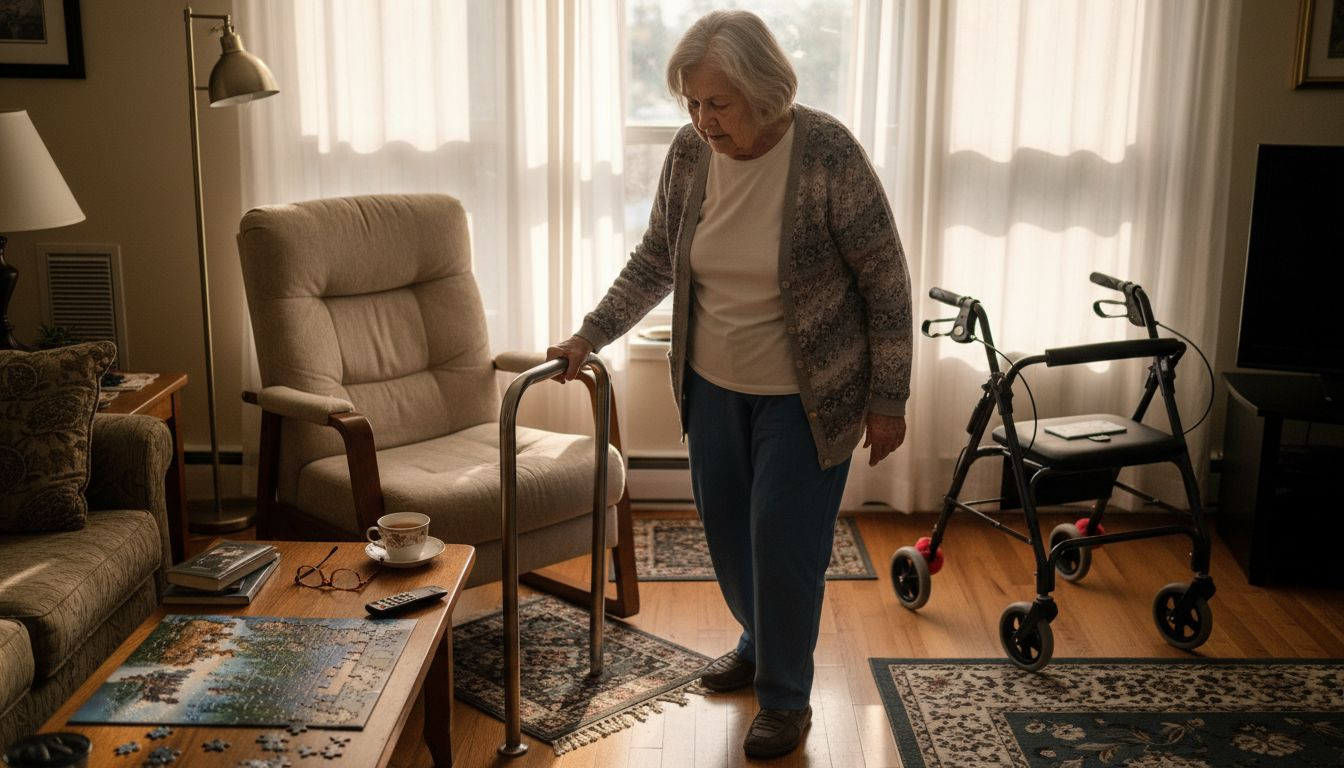
Staying safe and independent at home can be a real challenge as you get older, especially in busy cities like Toronto. Everyday tasks—like showering, cooking, and moving around your living space—often come with hidden risks that many seniors and caregivers worry about. Wet bathrooms, poor lighting, and unexpected plumbing problems are just a few hazards that can threaten your comfort and confidence.
Thankfully, there are practical strategies you can take to make your home much safer without sacrificing convenience or independence. From using non-slip mats and grab bars to making smart plumbing upgrades, these simple changes can lower your risk of falls and accidents. Each tip in the list ahead is backed by proven safety research and designed to help you live with peace of mind.
Get ready to discover smart, easy-to-follow solutions that protect your health and make daily life easier. These actionable insights are all about preserving your freedom at home while reducing risks you might not even notice day-to-day.
Table of Contents
- Install Non-Slip Mats and Grip Bars in Bathrooms
- Fix Leaky Faucets and Pipes Promptly
- Ensure Proper Lighting in Key Areas
- Upgrade Low Toilets to Comfort-Height Models
- Schedule Regular Plumbing Inspections
- Use Anti-Scald Devices on Taps and Showers
- Make Kitchen Plumbing Accessible and Safe
Quick Summary
| Takeaway | Explanation |
|---|---|
| 1. Install Non-Slip Mats and Grip Bars | Non-slip mats and grip bars enhance bathroom safety, reducing the risk of falls by up to 80% for seniors. |
| 2. Fix Leaky Faucets Promptly | Promptly repairing leaks prevents water damage and costly repairs, ensuring a safer home environment. |
| 3. Ensure Proper Lighting | Adequate lighting helps seniors navigate safely, preventing accidents and maintaining independence in their living spaces. |
| 4. Upgrade to Comfort-Height Toilets | Comfort-height toilets reduce strain and fall risks, making bathroom visits safer and more comfortable for seniors. |
| 5. Schedule Regular Plumbing Inspections | Regular plumbing inspections catch issues early, preventing major problems and maintaining home safety for seniors. |
1. Install Non-Slip Mats and Grip Bars in Bathrooms
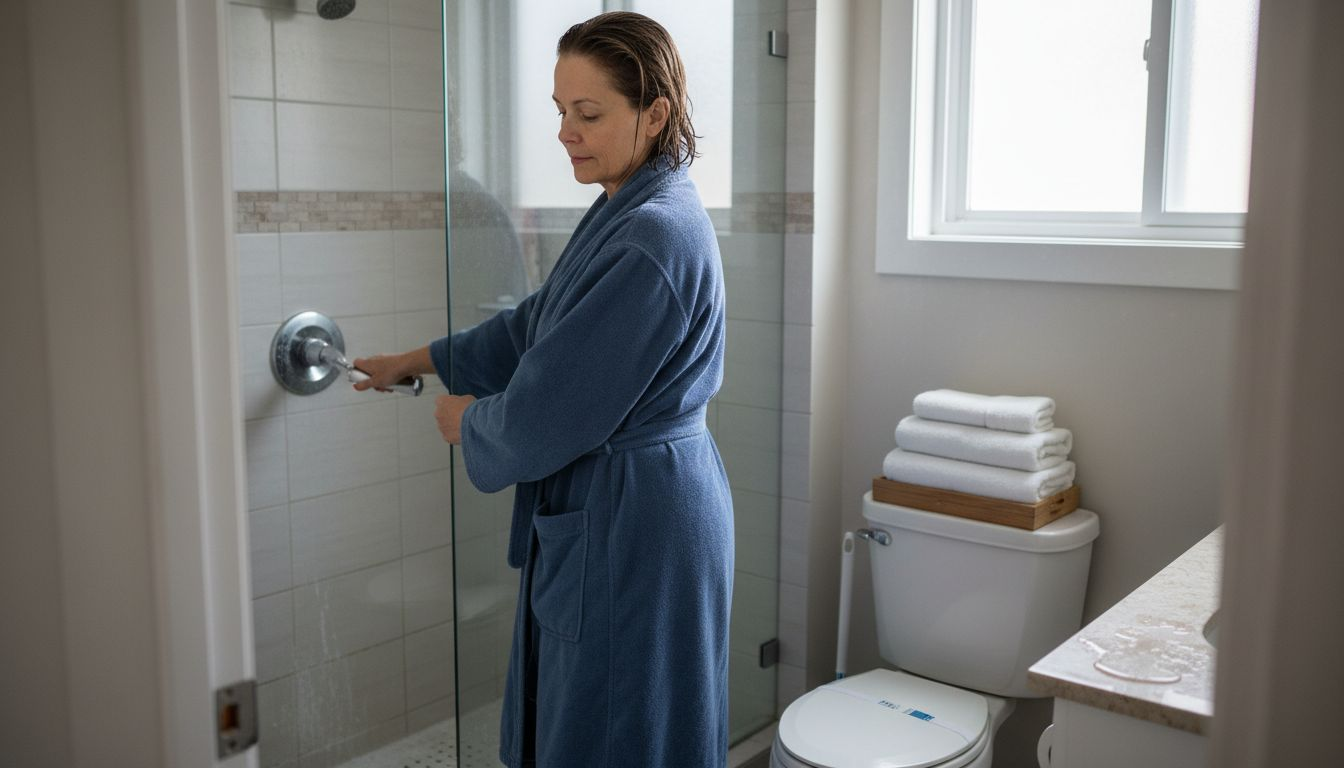
Bathroom safety is crucial for seniors living independently in Toronto. Non-slip mats and grip bars are your first line of defence against potentially dangerous falls in wet, slippery environments.
Bathrooms pose significant risks for older adults. Wet surfaces combined with reduced balance and mobility can create dangerous scenarios that might compromise your independence. Research from the Fall Prevention Foundation reveals that strategic bathroom modifications can reduce fall risks by up to 80%.
When selecting bathroom safety equipment, consider these key features:
- Textured non-slip mat surfaces
- Quick-drainage capabilities
- Full bathroom floor coverage
- Colour-contrasting designs for better visibility
- Secure, stable backing
Bathroom safety isn’t about limitation - it’s about maintaining confidence and independence.
Grip bars provide essential stability and support. Different styles offer various benefits:
- Vertical bars near toilets and showers
- Horizontal bars along bathroom walls
- Angled bars for transitional support
- Floor-to-ceiling models for maximum stability
Professional installation ensures these safety features are securely anchored into wall studs. Proper placement allows seniors to move confidently while reducing fall risks.
Pro tip: Choose grip bars with contrasting colours to your bathroom walls to improve visibility and enhance safety awareness.
2. Fix Leaky Faucets and Pipes Promptly
Leaky faucets and pipes might seem like minor annoyances but they can quickly escalate into significant home maintenance challenges for seniors in Toronto. Water damage can be destructive and expensive , making prompt repair essential for home safety and budget protection.
Understanding leak origins is crucial. Most leaks result from worn-out plumbing components such as:
- Deteriorated washers
- Damaged O-rings
- Corroded valve seats
- Loose pipe connections
Small leaks today can become catastrophic water damage tomorrow.
Detecting leaks early requires careful observation. Look for these warning signs:
- Unusual water metre readings
- Persistent dripping sounds
- Moisture around pipe joints
- Water stains on walls or ceilings
- Unexplained increases in water bills
Quick intervention can prevent costly repairs. Toronto homeowners can learn simple leak detection techniques that save both water and money. Regular visual inspections and understanding basic plumbing maintenance can significantly reduce potential damage risks.
Pro tip: Keep a small notebook near your water metre to track monthly usage and quickly identify unexpected changes that might indicate hidden leaks.
3. Ensure Proper Lighting in Key Areas
As we age, our vision changes and proper home lighting becomes increasingly critical for safety and independence. Adequate illumination can transform a potentially hazardous environment into a comfortable living space for seniors in Toronto.
Lighting requirements evolve with age. By 60 years old, individuals typically need three times more light to see comfortably compared to younger adults. This means strategic lighting isn’t just a luxury its a necessity.
Key areas requiring special lighting attention include:
- Hallways
- Staircases
- Bathrooms
- Kitchen workspaces
- Entryways
- Reading areas
Good lighting doesn’t just illuminate spaces - it illuminates independence.
Effective lighting design involves multiple layers:
- General ambient lighting for overall room brightness
- Task lighting for specific activities like reading
- Accent lighting to highlight potential obstacles
- Natural daylight integration
Consider these lighting strategies:
- Use LED bulbs with softer white light (2700-3000K range)
- Install motion-sensor night lights in hallways
- Choose fixtures with minimal glare
- Ensure consistent light levels between rooms
Pro tip: Place small plug-in night lights along potential walking paths to create safe, low-level illumination during nighttime movements.
4. Upgrade Low Toilets to Comfort-Height Models
As mobility becomes more challenging with age, something as simple as using the bathroom can become a significant obstacle. Comfort-height toilets offer a game-changing solution for seniors seeking to maintain independence and reduce fall risks.
Traditional toilets typically sit around 15 inches high which can create substantial strain on knees and hips. Comfort-height models range between 17 to 19 inches tall mimicking standard chair height and making sitting and standing much easier.
Key benefits of upgrading include:
- Reduced joint stress
- Decreased fall risk
- Enhanced bathroom safety
- Improved independence
- Easier transfer for mobility-challenged individuals
Toilet height isn’t just a measurement - it’s a pathway to continued independence.
Consider these factors when selecting a comfort-height toilet:
- Individual mobility levels
- Personal body size
- Compatibility with existing bathroom accessories
- Potential need for additional safety supports
Additional accessibility features can complement your toilet upgrade:
- Grab bars
- Raised toilet seats
- Non-slip bathroom mats
- Easy-to-use flush mechanisms
Pro tip: Measure your current toilet height and consult with a mobility specialist to ensure the most comfortable and safe toilet selection for your specific needs.
5. Schedule Regular Plumbing Inspections
Your home’s plumbing system is a complex network that silently supports your daily life. Proactive plumbing inspections can prevent unexpected breakdowns and costly repairs for seniors living in Toronto.
Professional plumbing inspections are more than routine check-ups; they are critical preventative maintenance that safeguards your home’s infrastructure and your personal comfort. Understanding plumbing code basics helps seniors recognise the importance of these assessments.
Key areas professional inspections typically cover:
- Water supply lines
- Pipe connections
- Drainage systems
- Water pressure levels
- Potential corrosion points
- Fixture functionality
Prevention is always more affordable than emergency repairs.
Recommended inspection frequencies depend on several factors:
- Home age
- Existing plumbing condition
- Previous maintenance history
- Local water quality
Benefits of regular plumbing inspections include:
- Early problem detection
- Preventing potential water damage
- Extending plumbing system lifespan
- Maintaining home value
- Reducing unexpected repair costs
Pro tip: Keep a detailed record of each plumbing inspection to track your home’s maintenance history and identify potential recurring issues.
6. Use Anti-Scald Devices on Taps and Showers
Sudden hot water bursts can turn a relaxing shower into a dangerous experience for seniors. Anti-scald devices are essential safety technologies that protect against unexpected temperature fluctuations and potential burn injuries.
Canadian health guidelines recommend maintaining water heater temperatures no higher than 60°C and limiting delivered water temperatures to 49°C. This critical safety standard helps prevent severe scalding incidents that could compromise a senior’s health and mobility.
Types of anti-scald protection include:
- Pressure-balancing mixing valves
- Thermostatic mixing valves
- Temperature-limit stop valves
- Automatic shut-off devices
Safety isn’t expensive - it’s priceless.
Key benefits of anti-scald devices:
- Consistent water temperature control
- Protection for sensitive senior skin
- Reduced risk of accidental burns
- Enhanced bathroom safety
- Peace of mind for seniors and caregivers
Installation considerations:
- Professional assessment of existing plumbing
- Compatibility with current bathroom fixtures
- Individual mobility and skin sensitivity
- Budget for quality equipment
Pro tip: Before installing anti-scald devices, test your current water temperature using a simple cooking thermometer to understand your baseline risk.
7. Make Kitchen Plumbing Accessible and Safe
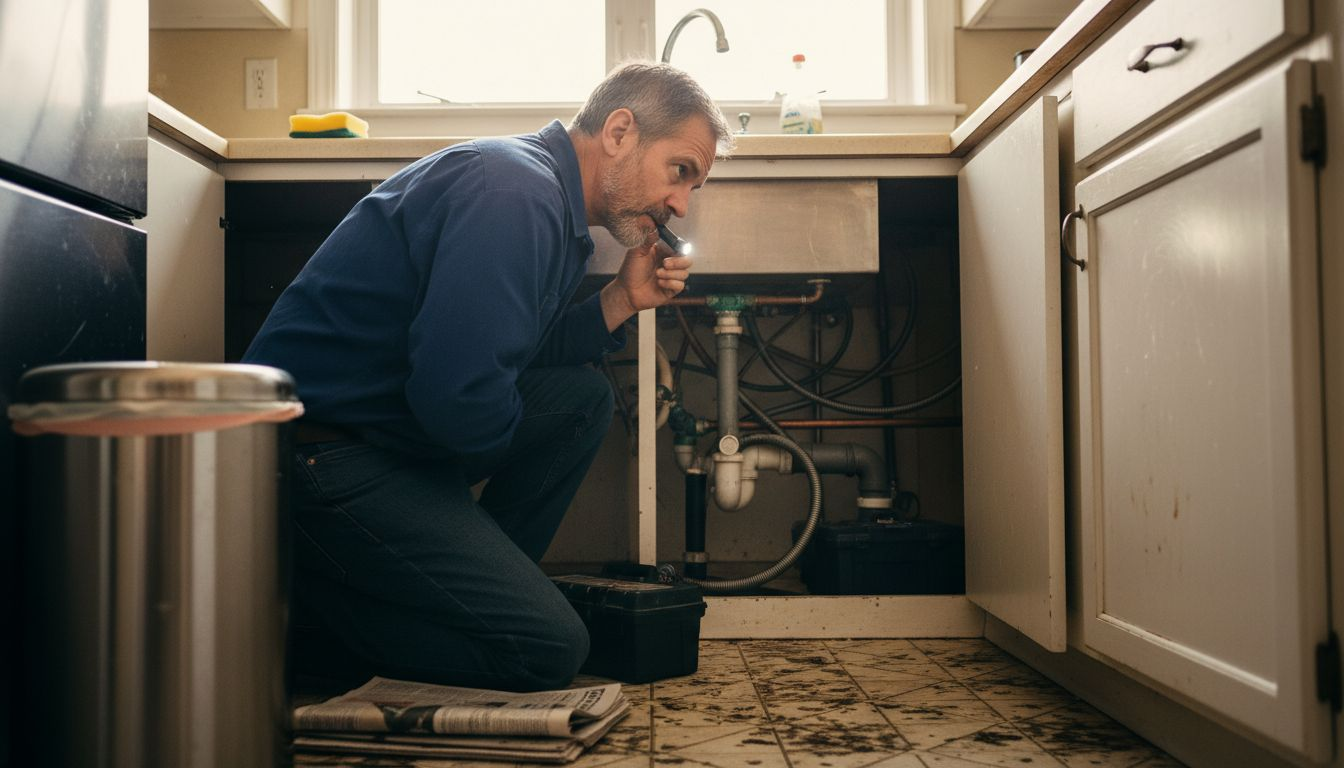
Kitchen plumbing represents more than pipes and fixtures its a critical component of senior independence and safety. Accessible kitchen design transforms this essential space into a user-friendly environment that supports mobility and reduces potential hazards.
Seniors face unique challenges navigating kitchen spaces particularly around sink areas and water-related tasks. Understanding plumbing DIY limitations helps seniors make informed modifications that enhance safety without compromising functionality.
Key accessibility considerations include:
- Lowered counter heights
- Easy-to-use faucet controls
- Accessible under-sink storage
- Clear floor space
- Slip-resistant flooring
Safety isn’t about limitation - it’s about creating possibilities.
Specific kitchen plumbing modifications for seniors:
- Install lever-style faucet handles
- Add pull-out shelves under sinks
- Use touch or motion-activated faucets
- Ensure adequate lighting near work areas
- Create knee space under sink areas
Additional safety features to consider:
- Grab bars near sink areas
- Non-slip mats
- Adjustable height work surfaces
- Clear pathways around kitchen
Pro tip: Consult an occupational therapist specialising in senior home modifications to develop a personalised kitchen accessibility plan.
Below is a comprehensive table summarizing key safety and accessibility measures addressed in the article to enhance senior living environments in Toronto.
Enhance Home Safety for Seniors with Trusted Plumbing Solutions
The article highlights essential safety upgrades for seniors in Toronto such as installing non-slip mats, grip bars, and anti-scald devices alongside prompt leak repairs and proper lighting enhancements. These measures directly address common challenges like fall risks, plumbing leaks, and scald hazards that can threaten health and independence.
At DrainWorks Plumbing, we understand the critical importance of maintaining a safe and comfortable home environment for seniors. With over 30 years of experience serving Toronto residents, our licensed and insured team specialises in efficient plumbing repairs, fixture upgrades, leak detection, and preventative maintenance that support your safety goals. Whether you need help fixing leaky faucets fast or want expert advice on installing anti-scald devices, our skilled technicians deliver clear up-front pricing and dependable service you can trust.
Don’t wait until a small issue puts your safety at risk. Explore how our comprehensive plumbing services at DrainWorks Plumbing can help you maintain a secure home. Learn more about our general home plumbing repairs or contact us today for a consultation to protect your home and independence now.
Frequently Asked Questions
How can I improve bathroom safety for seniors?
To enhance bathroom safety for seniors, install non-slip mats and grip bars. Ensure these features are securely anchored in place and consult a professional for proper installation to reduce fall risks significantly.
What should I do if I notice a leaky faucet or pipe?
Address any leaks promptly to prevent water damage and expensive repairs. Inspect your plumbing regularly and fix any leaks as soon as they are detected to maintain a safe and comfortable home environment.
How can I ensure proper lighting in my home for seniors?
Increase lighting by using LED bulbs and installing motion-sensor night lights in key areas. Aim for brighter spaces in hallways and bathrooms to triple the light levels, which can help improve visibility and safety.
What are the benefits of upgrading to a comfort-height toilet?
Upgrading to a comfort-height toilet makes sitting and standing easier, reducing joint strain and fall risks. Consider replacing traditional toilets with comfort-height models that are between 17 to 19 inches tall for better accessibility.
How often should I schedule plumbing inspections in my home?
Schedule plumbing inspections at least once a year to catch any potential issues early. Regular assessments help extend the lifespan of your plumbing system and prevent unexpected repair costs.
What are anti-scald devices and why are they important for seniors?
Anti-scald devices are safety features that prevent sudden hot water bursts, protecting seniors from burn injuries. Install these devices on taps and showers to maintain safe water temperatures, fostering a safer bathing environment.
Recommended