
Interior Basement Waterproofing – Protecting Toronto Homes
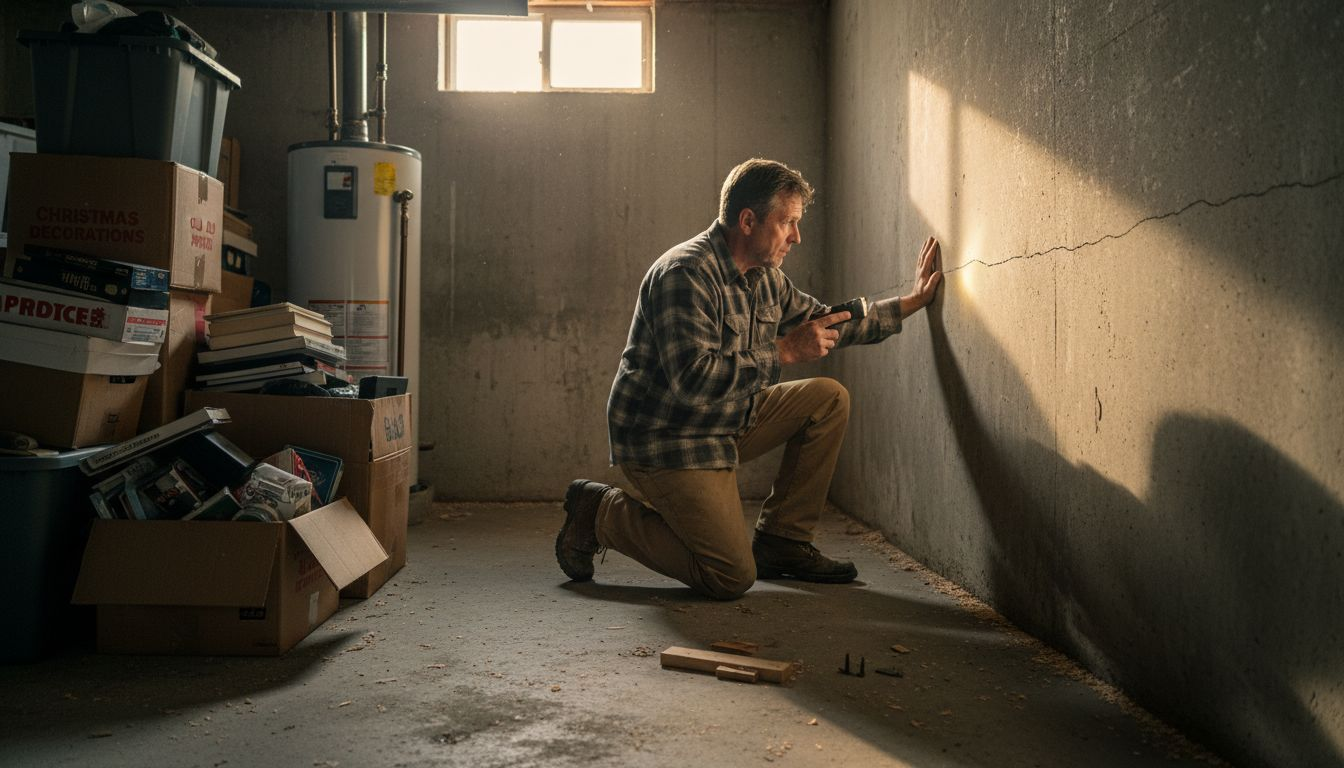
Heavy rainfall and melting snow in Toronto can turn a dry basement into a source of stress and costly repairs almost overnight. Water intrusion not only threatens your home’s structure but can also bring health concerns like mold growth and high humidity. Interior basement waterproofing offers a proven, less invasive way to tackle leaks and moisture right at their source, giving you peace of mind and helping protect your property’s value for years to come.
Table of Contents
- Interior Basement Waterproofing Explained for Toronto
- Common Toronto Basement Moisture Problems
- Interior Waterproofing Methods and Materials
- Signs Your Basement Needs Waterproofing
- Costs, Warranties, and Choosing a Plumber
Key Takeaways
| Point | Details |
|---|---|
| Effective Moisture Management | Interior basement waterproofing provides a strategic solution to tackle water intrusion while maintaining landscaping. |
| Signs of Water Issues | Homeowners should monitor for signs like efflorescence and musty odours to prevent serious structural damage. |
| Investment and Warranties | Waterproofing services can range from $5,000 to $15,000, so homeowners should seek warranties that ensure long-term protection. |
| Professional Selection | Choosing a reputable plumber is crucial; verify credentials and compare estimates for the best service quality. |
Interior Basement Waterproofing Explained for Toronto
Basement moisture is a significant challenge for Toronto homeowners, with foundation water intrusion threatening property integrity and creating potentially dangerous living conditions. Interior basement waterproofing represents a strategic solution designed specifically to protect homes from internal water damage and structural deterioration.
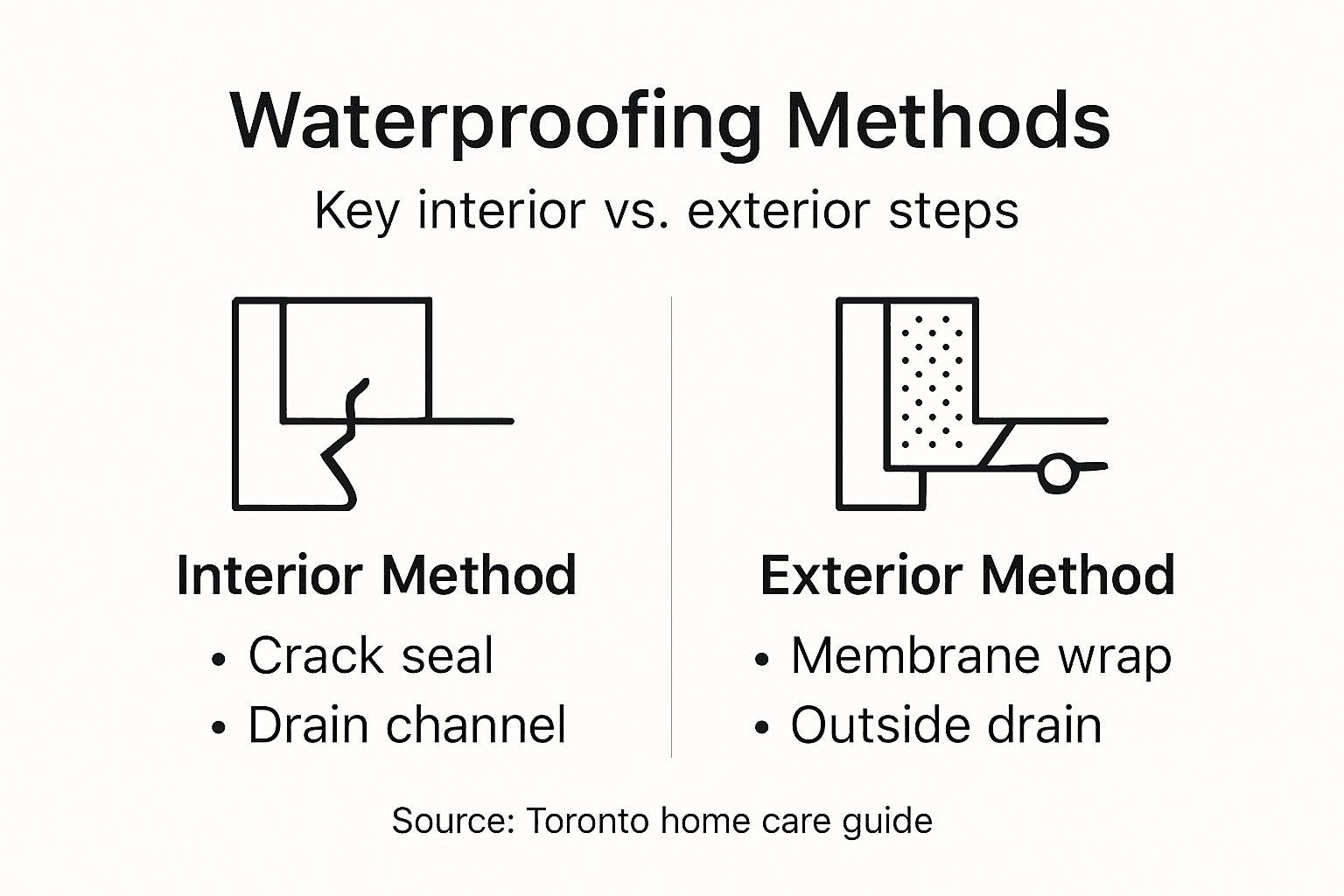
The interior waterproofing process involves a comprehensive approach targeting moisture management from inside the home. Specific waterproofing techniques typically include several critical steps:
- Excavating a trench along interior basement walls
- Installing specialized drainage systems with weeping tiles
- Applying robust waterproof membranes
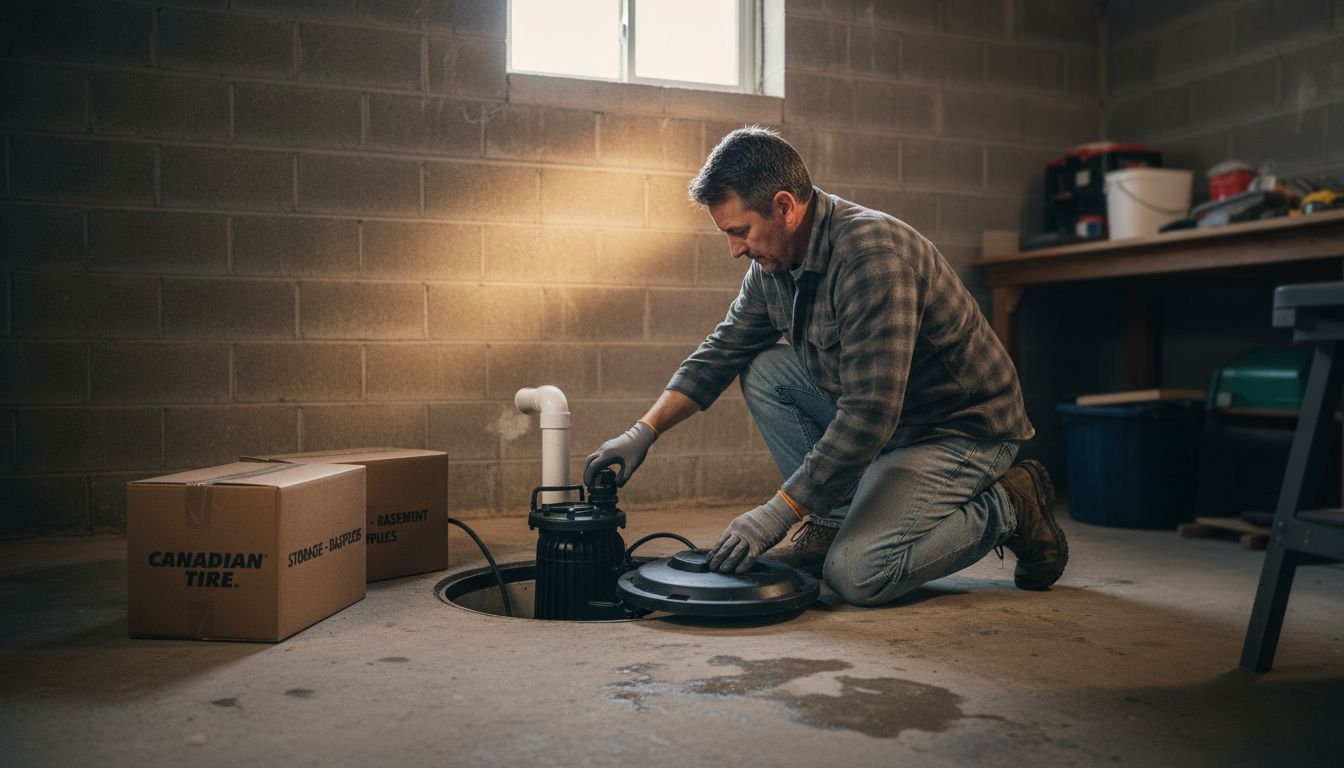
- Integrating sump pump systems for water extraction
Toronto homes frequently encounter unique moisture challenges due to seasonal precipitation and complex soil compositions. Unlike exterior waterproofing, interior methods offer a less invasive solution that preserves landscaping while effectively managing water infiltration. The technique works particularly well in scenarios where external waterproofing proves impractical or prohibitively expensive.
Here’s a summary of interior versus exterior basement waterproofing features for Toronto homes:
| Aspect | Interior Waterproofing | Exterior Waterproofing |
|---|---|---|
| Disruption to property | Minimal, preserves landscaping | High, may disturb gardens and driveways |
| Cost level | Moderate to high | Generally higher |
| Effectiveness for old homes | Very effective | Effective, but can be limited by access |
| Maintenance required | Periodic sump pump checks | Occasional membrane inspection |
| Best for | Existing water issues, limited outdoor access | New constructions, major exterior repairs |
Professional waterproofing involves precise crack sealing, membrane application, and strategic water redirection mechanisms. Homeowners can expect a systematic approach that not only prevents immediate water damage but also protects long-term structural health. Drainage systems are carefully designed to channel water away from foundation walls, preventing potential mold growth, structural weakening, and indoor humidity problems.
Pro tip: Before scheduling basement waterproofing, conduct a thorough visual inspection of your basement walls, looking for subtle signs of moisture like discoloration, efflorescence, or small hairline cracks that might indicate potential water intrusion points.
Common Toronto Basement Moisture Problems
Basement moisture represents a persistent and serious challenge for Toronto homeowners, with complex environmental factors contributing to significant structural and health risks. Water intrusion is more than just an inconvenience — it can compromise the entire foundation of a home and create dangerous living conditions.
Toronto’s unique climate and geological conditions make basements particularly vulnerable to moisture problems. Understanding the causes of basement flooding reveals multiple potential sources of water infiltration:
- High water table levels
- Seasonal precipitation and snowmelt
- Foundation wall micro-cracks
- Poor exterior drainage systems
- Hydrostatic pressure from saturated soil
The most common moisture symptoms homeowners encounter include visible signs of water damage and potential structural degradation. These indicators range from subtle to severe:
- Efflorescence (white mineral deposits on walls)
- Damp or wet floor surfaces
- Musty odours
- Visible mold growth
- Peeling paint or wallpaper
- Concrete wall cracks
- Unexplained high indoor humidity
Persistent basement moisture can lead to significant long-term consequences beyond aesthetic damage. Unchecked water infiltration potentially causes severe structural deterioration, reduces property value, increases energy costs, and creates serious health risks through mold proliferation and air quality degradation.
Pro tip: Conduct a quarterly basement moisture inspection during seasonal transitions, paying close attention to floor-to-wall joints, checking for any new cracks or damp spots that might indicate emerging water intrusion problems.
Interior Waterproofing Methods and Materials
Interior basement waterproofing requires a sophisticated, multi-layered approach tailored to Toronto’s challenging moisture environments. Comprehensive waterproofing involves strategic methods and specialized materials designed to prevent water infiltration and protect home foundations from potential structural damage.
The do’s and don’ts of basement waterproofing reveal several critical components essential for effective moisture management:
- Drainage Channels : Perimeter interior trench systems
- Weeping Tiles : Groundwater collection and redirection
- Waterproof Membranes : Moisture barrier installation
- Sump Pump Systems : Active water extraction
- Crack Sealing : Preventative infiltration blocking
Specialized waterproofing materials play a crucial role in protecting basement environments. Professional-grade solutions typically include:
Below is a quick reference for popular waterproofing materials and their main purposes:
| Material | Primary Function | Durability Level |
|---|---|---|
| Armtec Platon membrane | Acts as robust moisture barrier | High |
| Delta MS waterproofing barrier | Directs water to drainage systems | High |
| Concrete sealant | Seals cracks and hairline gaps | Moderate to high |
| Polymer-based compound | Enhances long-term water resistance | Very high |
- Armtec Platon membranes
- Delta MS waterproofing barriers
- High-density polyethylene protective sheets
- Specialized concrete sealants
- Advanced polymer-based waterproofing compounds
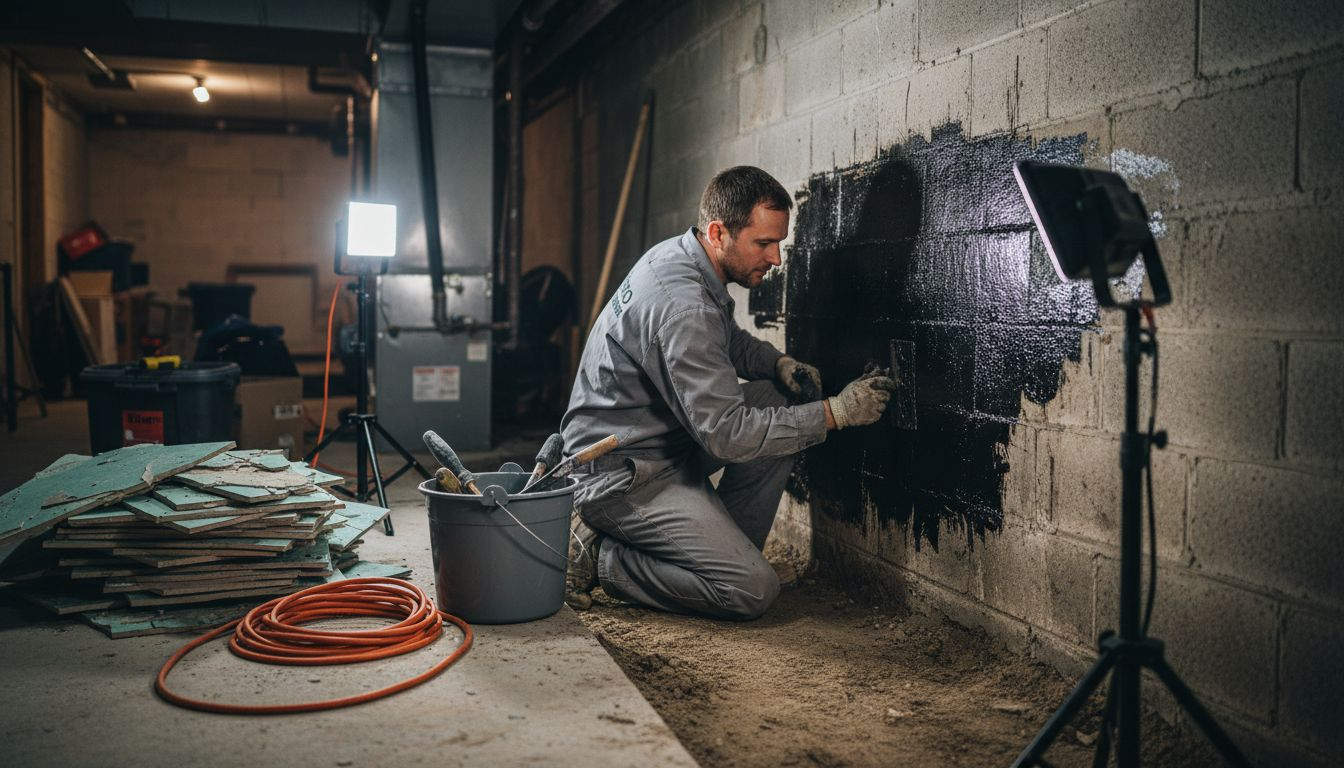
The installation process involves precise techniques that go beyond simple surface treatments. Professionals excavate carefully along basement walls, install perforated drainage pipes wrapped in filter fabric, and strategically place gravel to facilitate water movement. Waterproof membranes are then sprayed or mechanically attached to walls and floors, creating an impenetrable moisture barrier.
Pro tip: Before finalizing any waterproofing project, request moisture mapping and thermal imaging to identify hidden water entry points that might be overlooked during standard visual inspections.
Signs Your Basement Needs Waterproofing
Basement moisture problems can quickly escalate from minor inconveniences to major structural threats for Toronto homeowners. Water damage is a silent destroyer that can compromise your home’s foundation, create health risks, and lead to expensive repairs if left unchecked.
Why waterproofing your home is important becomes clear when understanding the warning signs of potential moisture intrusion. Critical indicators that your basement requires professional intervention include:
- Visible water seepage along floors and walls
- Damp or wet floor patches
- Concrete cracks in foundation walls
- White mineral deposits (efflorescence)
- Active mold or mildew growth
- Persistent musty odours
- Peeling paint or wallpaper
- Rust stains on metal components
- Consistently high indoor humidity
These symptoms represent more than cosmetic issues — they signal potential structural compromise and health hazards. Water infiltration can weaken concrete, promote dangerous mold growth, attract pest infestations, and dramatically reduce your property’s value. Concrete is particularly vulnerable, with even hairline cracks serving as entry points for moisture that can expand and cause significant damage during freeze-thaw cycles.
Homeowners should conduct regular visual inspections, paying close attention to floor-to-wall joints, basement corners, and areas near exterior walls. Monitoring these zones can help identify moisture problems before they become catastrophic, potentially saving thousands in repair costs and preserving your home’s structural integrity.
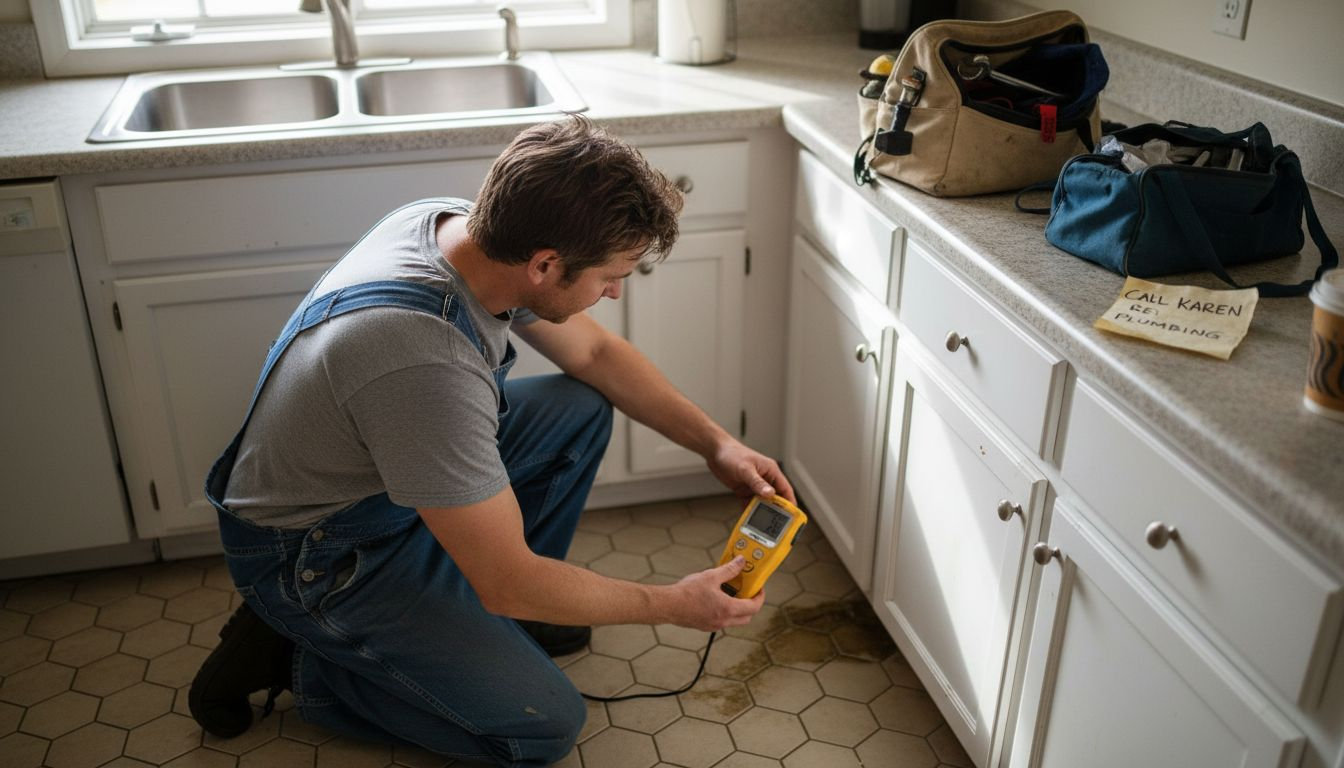
Pro tip: Invest in a basic moisture metre to perform quarterly basement humidity checks, tracking levels to catch potential water intrusion issues before visible damage occurs.
Costs, Warranties, and Choosing a Plumber
Basement waterproofing represents a significant investment for Toronto homeowners, requiring careful consideration of costs, professional expertise, and long-term protection strategies. Waterproofing expenses can vary dramatically based on multiple critical factors that directly impact the quality and durability of the solution.
Understanding the signs you need a plumber becomes crucial when evaluating waterproofing services. Key cost considerations include:
- Basement square footage
- Complexity of water damage
- Required materials and techniques
- Extent of foundation repair needed
- Local labour rates in Toronto
Professional waterproofing services typically range from $5,000 to $15,000, depending on the specific challenges of your basement. Homeowners should prioritize comprehensive warranties that cover:
- Material defects
- Installation quality
- Water intrusion protection
- Transferability to future property owners
- Long-term structural integrity
Selecting the right plumber involves thorough research and verification of professional credentials. Critical factors include checking licensing, certifications, insurance coverage, customer reviews, and proven track records of successful waterproofing projects. Reputable professionals will offer transparent pricing, detailed project assessments, and clear explanations of recommended solutions.
Pro tip: Request written estimates from multiple licensed contractors, comparing not just total costs but warranty terms, specific techniques proposed, and documented experience with Toronto’s unique basement moisture challenges.
Secure Your Toronto Home with Expert Interior Basement Waterproofing
Basement moisture problems threaten your property’s foundation and health safety every day. If you notice damp walls, efflorescence, or high humidity inside your basement, it is time to act. Interior basement waterproofing involves installing drainage channels, sump pumps, and waterproof membranes to keep your home dry and structurally sound in the face of Toronto’s challenging soil and climate conditions. Avoid costly repairs and protect your family by addressing these issues early with professional help.
Trust Toronto’s most experienced team at DrainWorks Plumbing to provide licensed, insured interior basement waterproofing services backed by over 30 years of expertise. We offer transparent pricing and durable solutions including crack sealing and advanced water redirection techniques. Don’t wait until moisture compromises your home. Contact us today to schedule your inspection and safeguard your investment with effective basement waterproofing. Learn more about our benefits of waterproofing and how water damage can be stopped for good.
Frequently Asked Questions
What is interior basement waterproofing?
Interior basement waterproofing is a strategic solution designed to manage moisture and prevent water damage from inside the home, using methods like drainage systems, waterproof membranes, and sump pumps.
What are common signs that my basement needs waterproofing?
Common signs include visible water seepage, damp floor patches, efflorescence (white mineral deposits), active mold growth, musty odors, and consistent high indoor humidity levels.
How does interior waterproofing compare to exterior waterproofing?
Interior waterproofing is less invasive, preserves landscaping, and is generally more cost-effective for existing homes, especially where external methods may not be feasible. Exterior waterproofing involves more disruption and is suitable for new constructions.
What materials are typically used in interior basement waterproofing?
Key materials include waterproof membranes, drainage channels, weeping tiles, concrete sealants, and sump pump systems, all designed to prevent moisture infiltration and protect the foundation.
Recommended