
Low Water Pressure at Kitchen Sink – Causes and Fixes
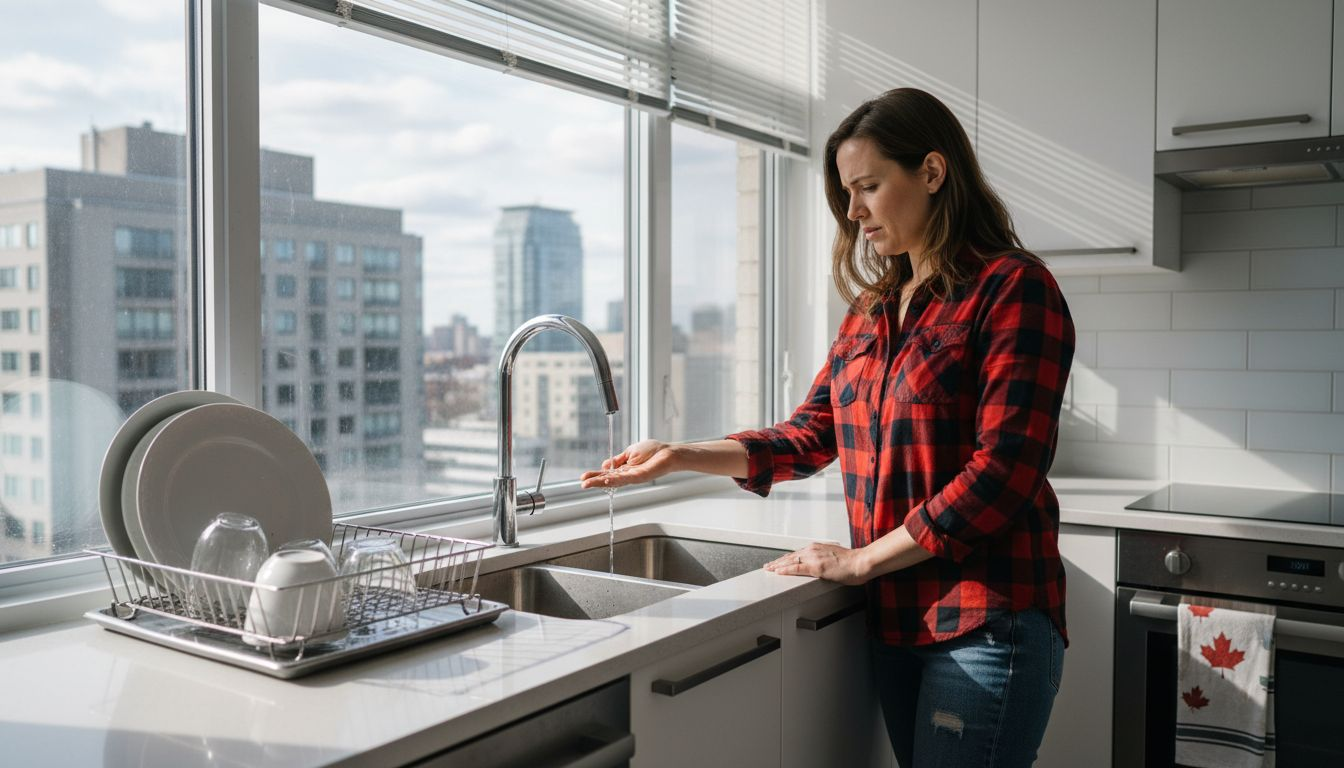
Low kitchen sink water pressure frustrates over half of Canadian households in Toronto each year. When a weak stream slows morning routines or dinner cleanup, simple tasks become daily annoyances. Reliable plumbing solutions matter because underlying problems rarely fix themselves. This guide uncovers key causes of kitchen water pressure issues, practical troubleshooting steps, and smarter ways for Toronto homeowners to maintain dependable flow.
Table of Contents
- What Causes Low Water Pressure in Kitchen Sinks
- Common Household Water Pressure Issues
- Troubleshooting Steps for Homeowners
- When to Call a Licensed Plumber
- Prevention and Long-Term Solutions
Key Takeaways
| Point | Details |
|---|---|
| Causes of Low Water Pressure | Low water pressure in kitchen sinks can result from pipe corrosion, blocked aerators, and municipal supply variations. Regular maintenance is essential to identify these issues early. |
| Troubleshooting Steps | Homeowners should inspect faucet aerators, check shut-off valves, and examine visible pipe connections before seeking professional help. Simple cleaning can often resolve common pressure issues. |
| When to Call a Plumber | Persistent low pressure or unusual plumbing noises indicate a need for a licensed plumber. Complex issues like hidden leaks require professional equipment for diagnosis and resolution. |
| Preventative Measures | Conduct annual inspections and upgrade plumbing components to prevent low water pressure. Implementing modern solutions can significantly improve system performance and longevity. |
What Causes Low Water Pressure in Kitchen Sinks
Low water pressure in kitchen sinks can quickly transform a routine task into a frustrating experience for Toronto homeowners. Understanding the root causes helps diagnose and resolve these issues efficiently. Multiple factors can contribute to reduced water flow, ranging from minor household problems to more complex plumbing system challenges.
One primary cause of low water pressure involves pipe corrosion . Over time, metal pipes accumulate mineral deposits and rust, gradually narrowing the internal pipe diameter. This buildup restricts water flow, resulting in weaker streams at kitchen faucets. Older homes in the Greater Toronto Area, particularly those with aging infrastructure, are more susceptible to this problem. Understanding household water pressure can provide deeper insights into these mechanical challenges.
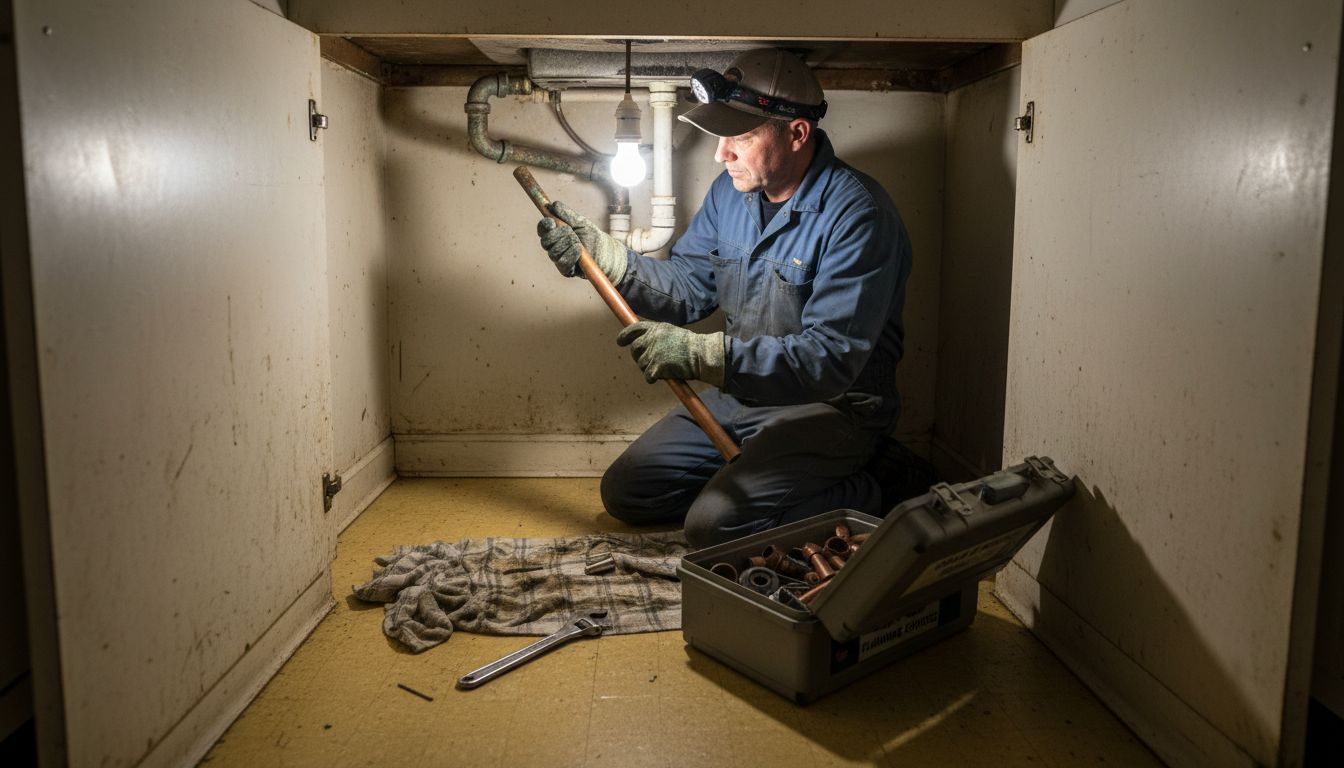
Another significant factor is potential blockages within your plumbing system. Sediment, mineral scale, and debris can accumulate in pipe joints, valves, and faucet aerators, effectively reducing water pressure. Kitchen sink aerators are especially prone to calcium and lime buildup, which creates microscopic barriers that limit water flow. Periodic cleaning and maintenance can help prevent these restrictive deposits from developing.
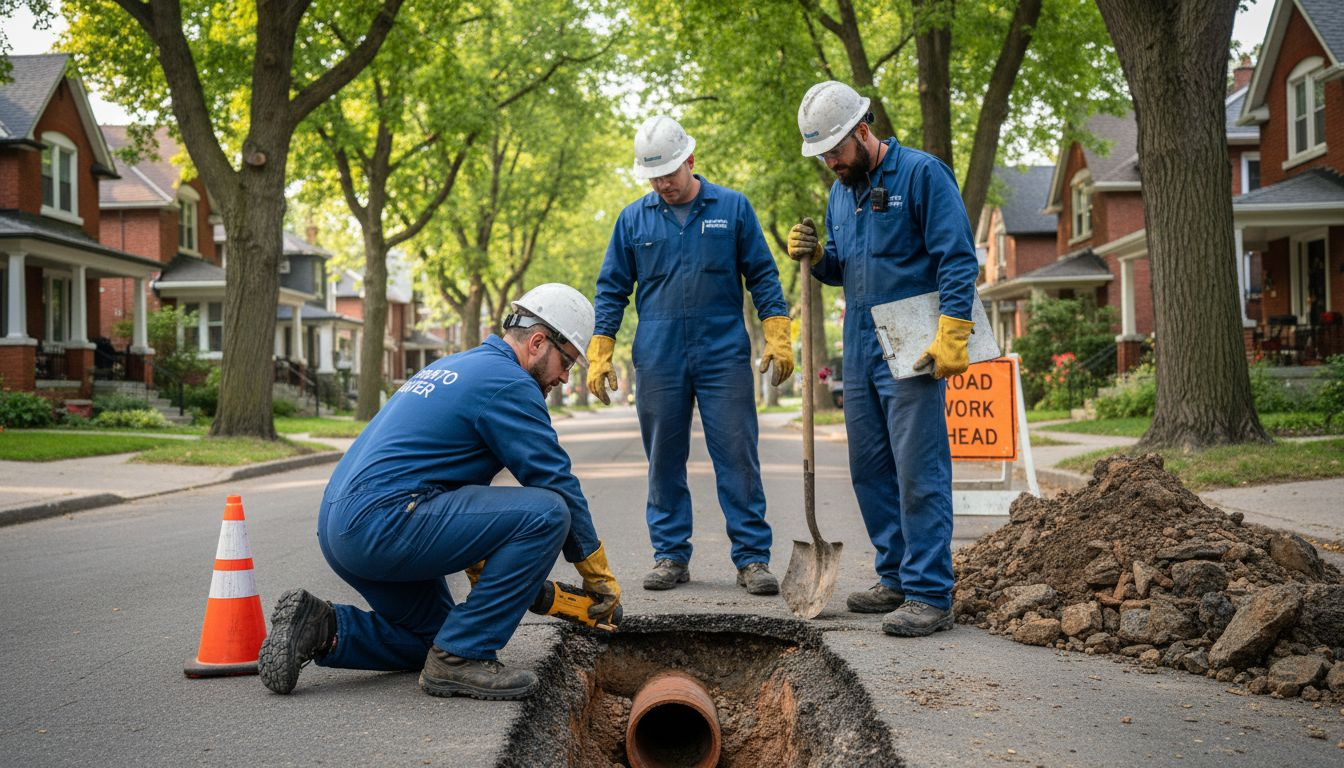
External municipal water supply issues can also impact your kitchen sink’s water pressure. Temporary municipal maintenance, water main repairs, or systemic pressure fluctuations might cause inconsistent water flow. Homeowners might notice sudden pressure drops during city infrastructure work or seasonal maintenance periods.
Key Causes of Low Water Pressure:
- Pipe corrosion and mineral buildup
- Blocked or clogged faucet aerators
- Malfunctioning shut-off valves
- Municipal water supply variations
- Aging plumbing infrastructure
Pro tip: Conduct a simple faucet aerator test by unscrewing and cleaning it with vinegar to immediately improve water pressure and identify potential blockage sources.
Common Household Water Pressure Issues
Homeowners in Toronto frequently encounter water pressure challenges that can disrupt daily household activities. These issues range from minor inconveniences to significant plumbing system complications that require professional intervention. Understanding the nuanced nature of household water pressure helps residents diagnose and address problems before they escalate.
One critical aspect of water pressure management involves recognizing systemic pressure variations . Municipal water supply systems can experience fluctuations that directly impact residential water flow. These variations might result from infrastructure maintenance, seasonal demands, or localized water distribution challenges. Low water pressure services in Toronto can help homeowners navigate these complex pressure dynamics effectively.
Aging plumbing infrastructure presents another significant challenge for water pressure management. Older homes in the Greater Toronto Area often feature pipes that have accumulated mineral deposits, corrosion, and structural wear over decades. These accumulated issues gradually reduce water flow capacity, creating persistent low-pressure scenarios that compromise fixture performance. Sediment buildup, pipe narrowing, and hidden leaks contribute to these systemic pressure reductions.
Common Water Pressure Problem Indicators:
- Inconsistent water stream strength
- Reduced flow from multiple fixtures
- Sudden pressure changes
- Unusual whistling or hammering sounds in pipes
- Water discolouration or unusual taste
Potential Impact Areas:
- Kitchen sink performance
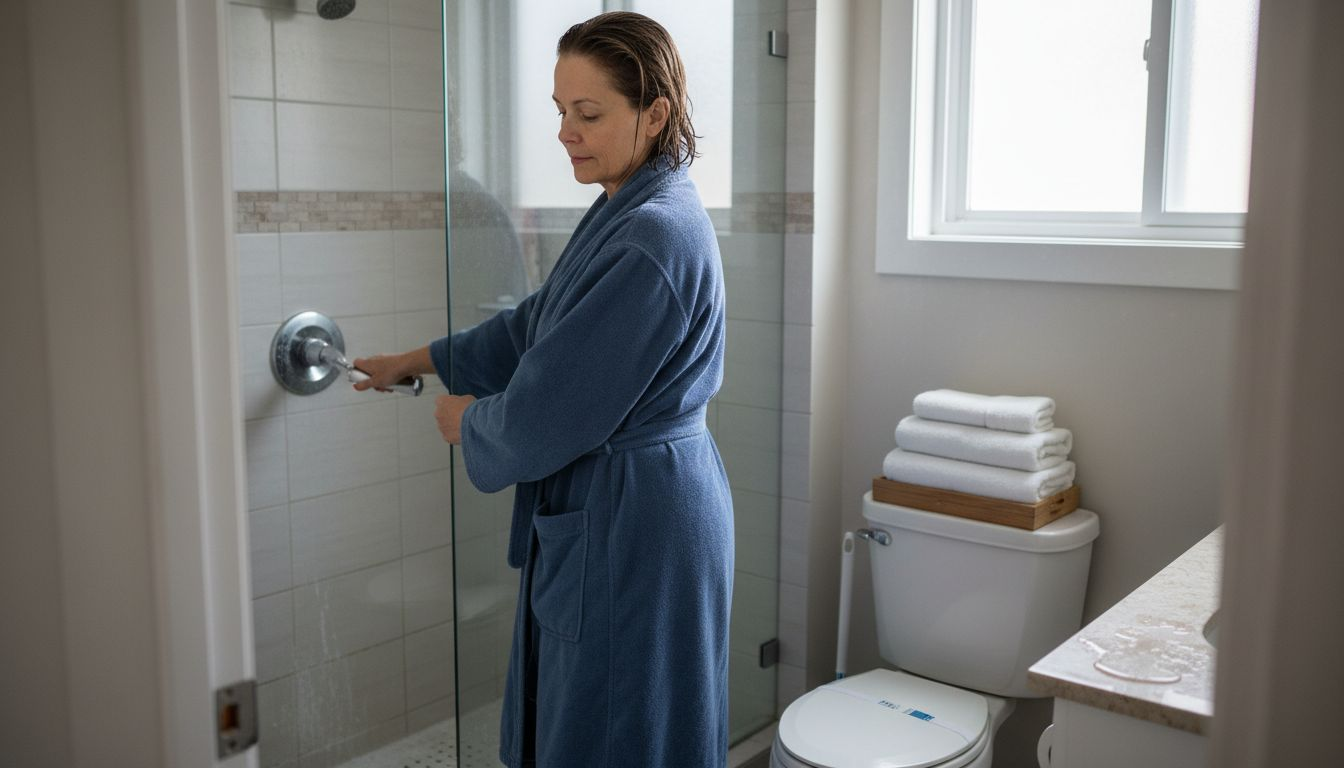
- Shower and bathroom fixtures
- Dishwasher and washing machine efficiency
- Overall household water distribution
Pro tip: Install a water pressure gauge on an outdoor hose bib to regularly monitor your home’s water pressure and detect potential issues before they become major problems.
Troubleshooting Steps for Homeowners
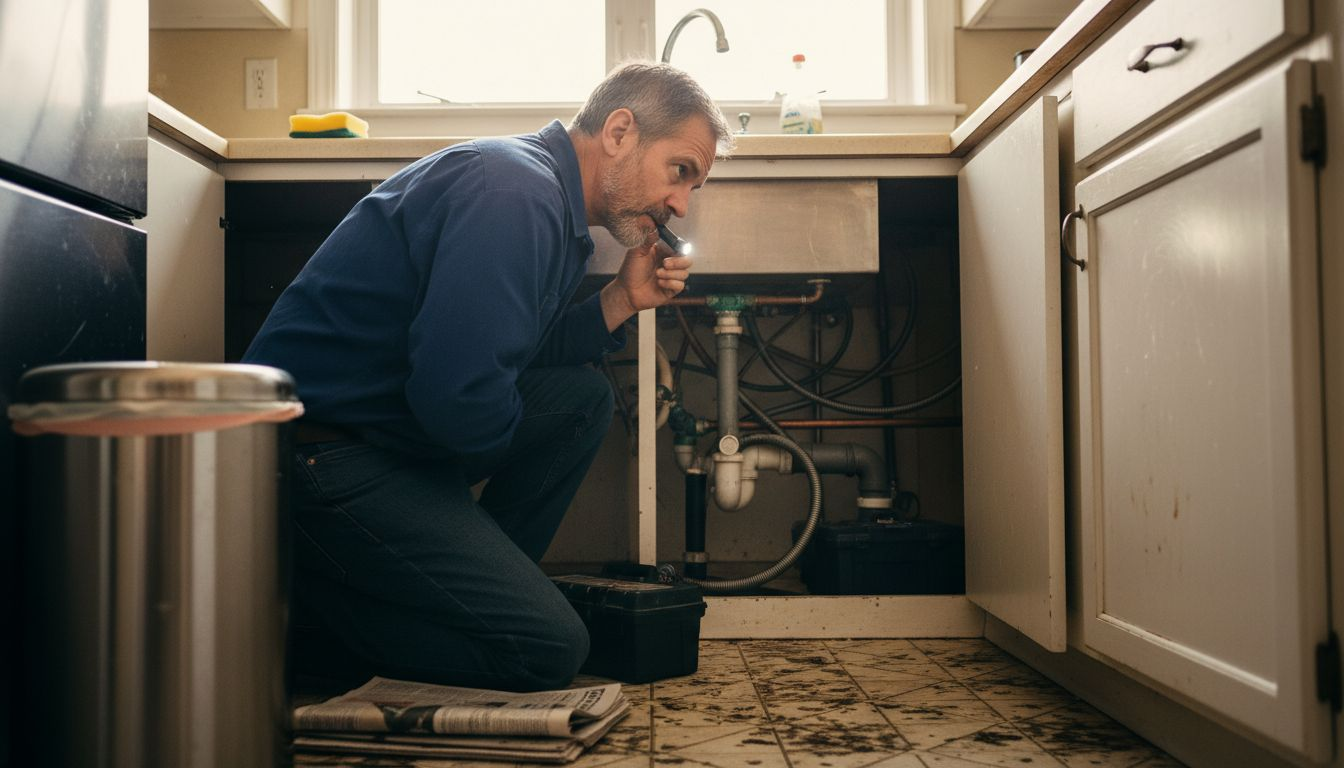
Diagnosing low water pressure in your kitchen sink requires a systematic approach that helps pinpoint the underlying causes. Toronto homeowners can take several practical steps to investigate and potentially resolve water pressure issues before calling a professional plumber. Understanding these troubleshooting techniques empowers residents to make informed decisions about their home’s plumbing system.
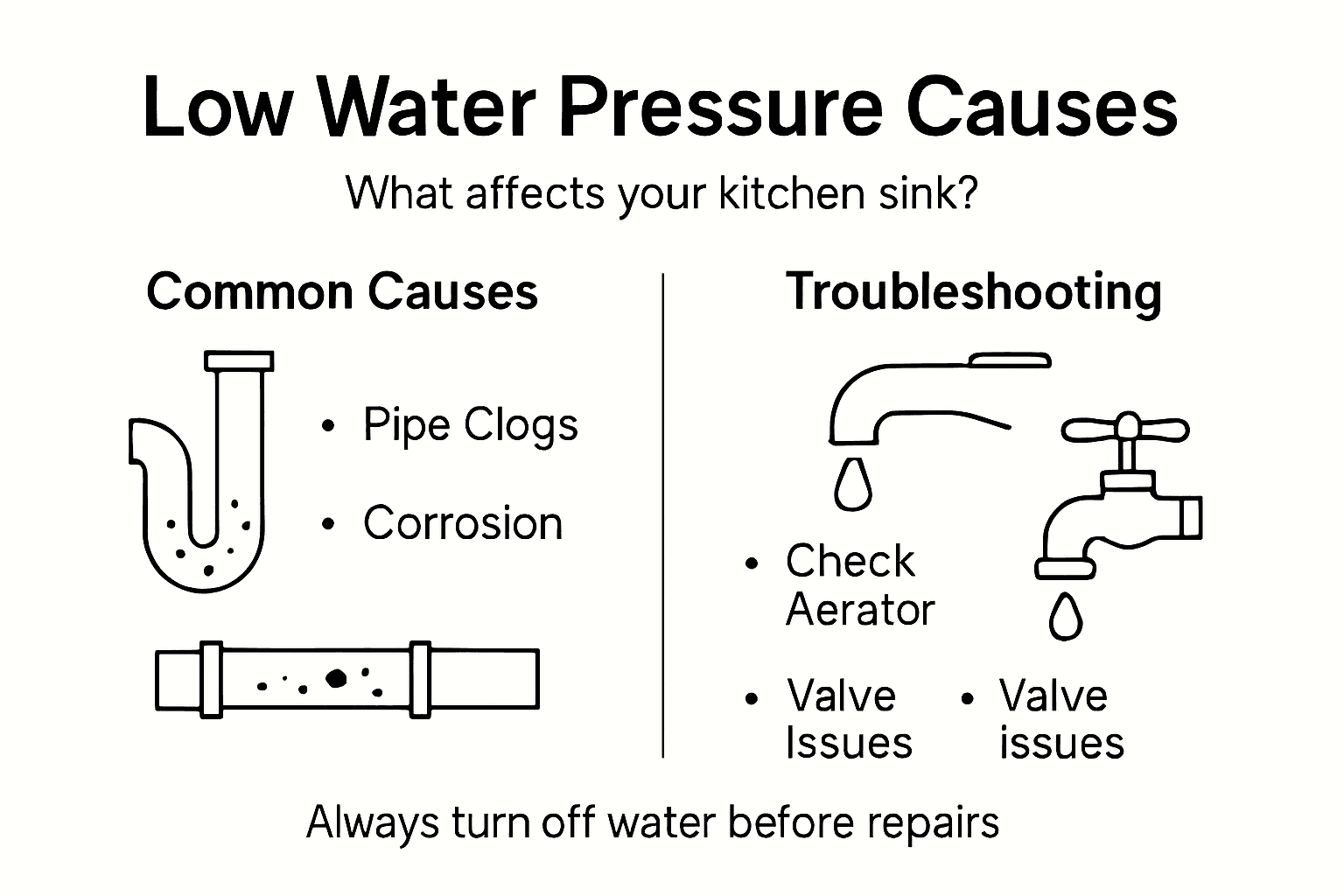
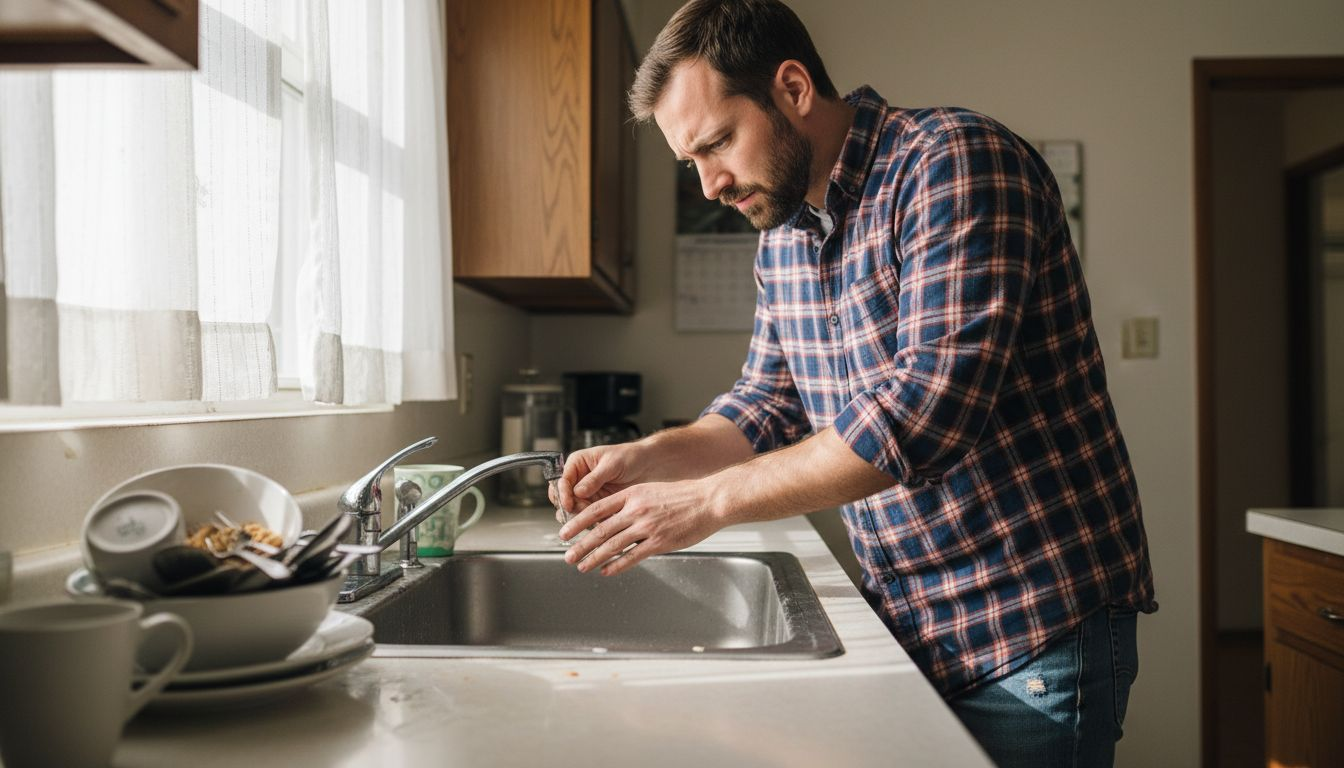
The first step involves carefully examining the faucet aerator , which is often the simplest source of water pressure problems. Mineral deposits and sediment can accumulate in this small screen, creating significant blockages that reduce water flow. Homeowners can unscrew the aerator, clean it thoroughly with vinegar, and inspect for damage. Fixing kitchen sink drainage issues can provide additional insights into related plumbing maintenance techniques.
Next, homeowners should conduct a comprehensive valve inspection. This involves checking the main shut-off valve and individual fixture valves to ensure they are fully open. Partially closed valves can dramatically reduce water pressure throughout the kitchen area. Additionally, examining visible pipe connections for signs of leakage or corrosion can reveal potential systemic pressure reduction sources. Hidden leaks can create persistent low-pressure conditions that compromise overall water system performance.
Systematic Troubleshooting Checklist:
- Inspect and clean faucet aerator
- Check all shut-off valves for full opening
- Examine visible pipe connections
- Test water pressure at multiple fixtures
- Look for signs of mineral buildup or corrosion
When to Seek Professional Help:
- Persistent low pressure after DIY attempts
- Evidence of significant pipe damage
- Unusual sounds from plumbing system
- Suspected underground leaks
- Inconsistent pressure across multiple fixtures
Pro tip: Purchase an inexpensive water pressure gauge to accurately measure your home’s water pressure and track changes over time.
Here is a quick comparison of DIY troubleshooting steps versus hiring a licensed plumber for low water pressure issues:
| Approach | Pros | Cons |
|---|---|---|
| DIY Troubleshooting | Cost-effective, immediate action possible | Limited by homeowner expertise, may miss hidden issues |
| Licensed Plumber | Advanced diagnostic tools, thorough repairs | Higher upfront cost, requires appointment scheduling |
When to Call a Licensed Plumber
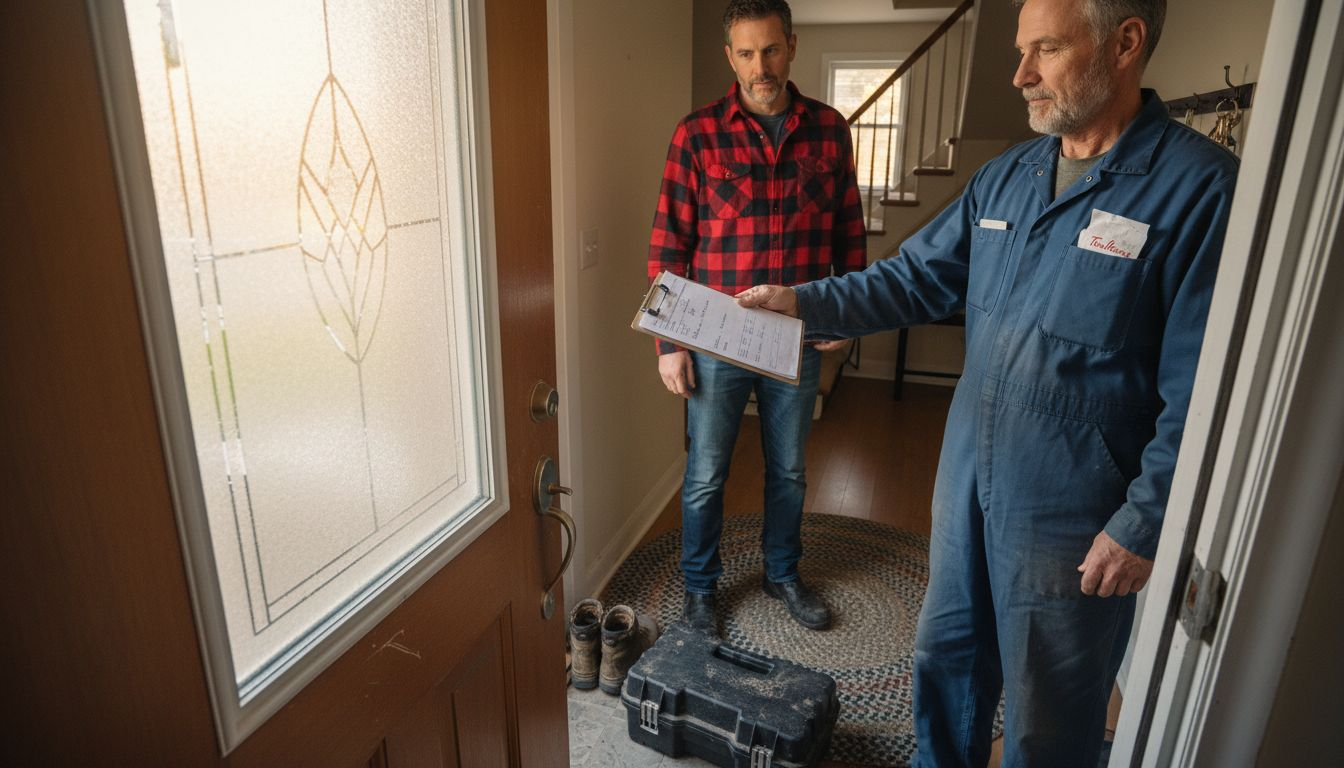
Navigating water pressure issues can be challenging for homeowners, and recognizing when professional intervention is necessary is crucial. While some minor plumbing problems can be addressed through DIY methods, certain situations demand the expertise of a licensed plumber to prevent potential long-term damage and costly repairs. Understanding these critical scenarios helps Toronto residents make informed decisions about their home’s plumbing system.
Significant warning signs indicate the immediate need for professional plumbing services. Persistent low water pressure that continues after basic troubleshooting suggests underlying systemic issues that require specialized diagnostic tools and expertise. Complex problems like hidden pipe leaks, significant corrosion, or municipal water supply complications cannot be effectively resolved through home interventions. Identifying signs you need a plumber can help homeowners understand the complexity of potential plumbing challenges.
Licensed plumbers bring critical technical expertise and specialized equipment to diagnose intricate water pressure problems. They can conduct comprehensive pressure tests, use advanced camera inspection technologies, and identify hidden issues within wall cavities or underground pipe networks. Professional assessment becomes essential when homeowners observe multiple indicators of systemic plumbing problems, such as inconsistent water pressure across different fixtures, unusual pipe noises, or unexpected water discolouration.
Critical Scenarios Requiring Professional Intervention:
- Persistent low water pressure after home troubleshooting
- Suspected underground or hidden pipe leaks
- Unusual sounds from plumbing system
- Water discolouration or unusual odours
- Significant pressure variations across home fixtures
Professional Diagnostic Capabilities:
- Hydrostatic pressure testing
- Advanced pipe camera inspections
- Comprehensive system pressure analysis
- Leak detection using specialized equipment
- Precise identification of systemic issues
Pro tip: Maintain a record of your home’s water pressure readings and any observed changes to provide valuable information to your licensed plumber during diagnostic assessments.
Prevention and Long-Term Solutions
Maintaining consistent water pressure in your kitchen sink requires a proactive approach to home plumbing maintenance. Toronto homeowners can implement several strategic measures to prevent low water pressure issues and protect their residential water systems from gradual performance degradation. Understanding these preventative strategies helps extend the lifespan of household plumbing infrastructure.
One critical aspect of long-term water pressure management involves regular system maintenance . Homeowners should schedule annual plumbing inspections to identify potential issues before they escalate. These comprehensive assessments can detect early signs of pipe corrosion, mineral buildup, and potential leaks that might compromise water pressure. How to prevent household leaks provides additional insights into maintaining optimal plumbing system performance.
Investing in high-quality plumbing components and infrastructure upgrades offers another effective prevention strategy. Modern pressure regulation devices, corrosion-resistant pipe materials, and advanced filtration systems can significantly improve water flow consistency. Replacing older galvanized pipes with copper or PEX piping reduces the likelihood of mineral accumulation and structural degradation that contribute to pressure reduction. Professional plumbers can recommend targeted upgrades tailored to your home’s specific plumbing configuration.
Preventative Maintenance Strategies:
- Annual professional plumbing inspections
- Regular aerator and filter cleaning
- Timely pipe and fixture repairs
- Water softener installation
- Pressure regulator maintenance
Long-Term Infrastructure Improvements:
- Replace aging pipe materials
- Install advanced filtration systems
- Upgrade pressure regulation devices
- Implement water conservation fixtures
- Conduct periodic pressure testing
Pro tip: Create a digital maintenance log documenting your home’s plumbing inspections, repairs, and water pressure readings to track system health over time.
Below is a summary of long-term water pressure improvement strategies and their advantages:
| Strategy | Key Benefit | Ideal For |
|---|---|---|
| Annual inspections | Early issue detection | Older or renovated homes |
| Upgraded piping | Increased flow, reduced corrosion | Homes with galvanized pipes |
| Water softeners | Less mineral buildup | Areas with hard water |
| Pressure regulators | Consistent household pressure | Homes with pressure fluctuations |
Resolve Low Water Pressure Issues in Your Kitchen Sink with Trusted Toronto Experts
Low water pressure at your kitchen sink can disrupt daily tasks and cause ongoing frustration. Whether you are dealing with pipe corrosion, clogged aerators, or hidden leaks, identifying the root cause is critical to restoring reliable water flow. At DrainWorks Plumbing, our licensed and insured technicians bring over 30 years of experience to tackle these common household challenges with precision and care. We understand the urgency of low water pressure problems and offer same day plumbing service between 8am and 7pm to get your kitchen functioning properly again.
Do not let low water pressure slow you down. Benefit from our professional diagnostics including pressure testing and pipe inspections to uncover hidden issues and deliver lasting solutions. From aerator cleaning to advanced sewer camera inspections, our comprehensive services protect your plumbing system and improve water flow throughout your home. Contact DrainWorks today to schedule your appointment and experience why we are rated the Best Plumbers in Toronto. Visit DrainWorks Plumbing to learn more and book reliable, upfront service you can trust.
Frequently Asked Questions
What are the common causes of low water pressure in kitchen sinks?
Low water pressure in kitchen sinks can be caused by various factors, including pipe corrosion, blockages in faucet aerators, malfunctioning shut-off valves, and fluctuations in the municipal water supply.
How can I troubleshoot low water pressure at my kitchen sink?
To troubleshoot low water pressure, first check and clean the faucet aerator, ensure all shut-off valves are fully open, inspect visible pipe connections for leaks or corrosion, and test the water pressure at multiple fixtures to identify inconsistencies.
When should I consider calling a licensed plumber for low water pressure issues?
You should consider calling a licensed plumber if you experience persistent low water pressure after troubleshooting, detect signs of significant pipe damage or leaks, or hear unusual sounds from your plumbing system that indicate potential problems.
What preventative measures can I take to maintain water pressure in my sink?
To maintain water pressure, schedule regular plumbing inspections, clean aerators and filters periodically, repair leaks promptly, and consider upgrading to high-quality plumbing components that help minimize corrosion and blockages.
Recommended