
Roots in Drain Pipe – Risks and Solutions for Toronto Homes
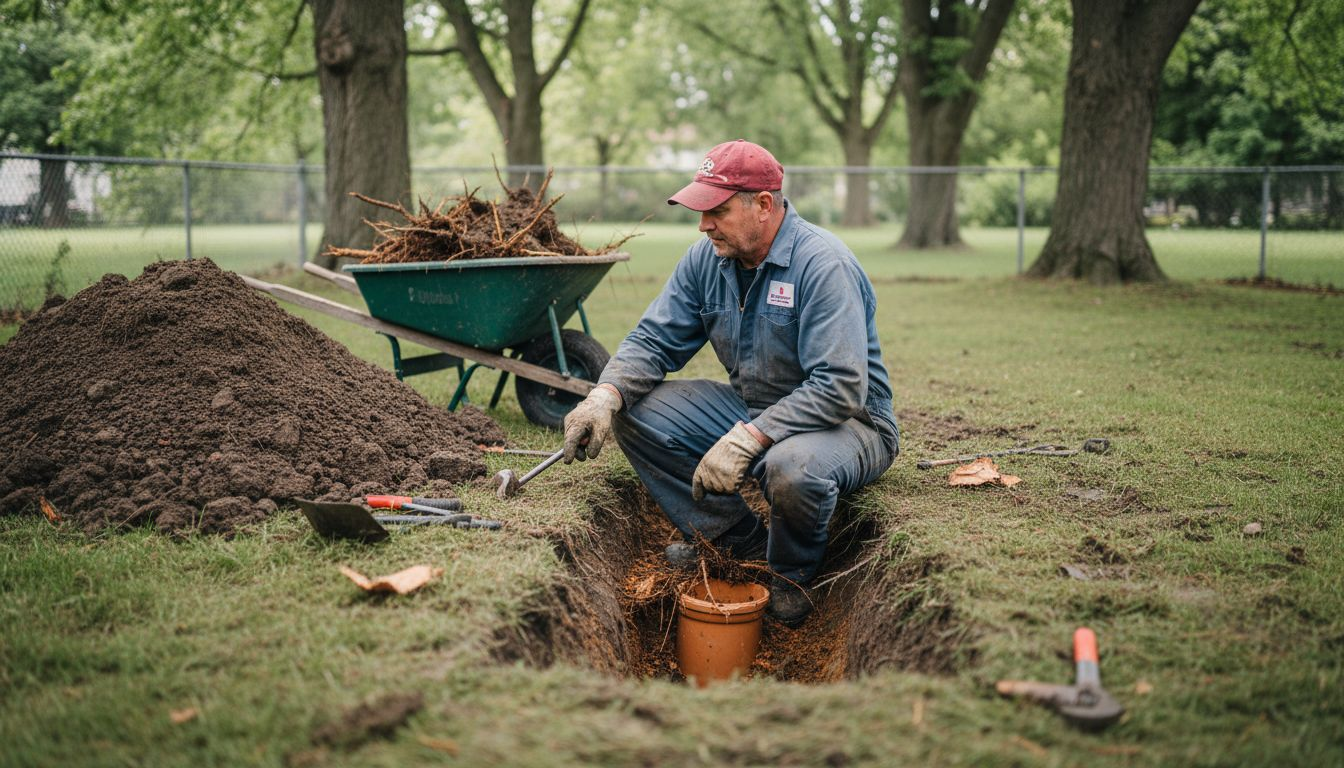
Heavy rain in Toronto can bring more than just puddles. For many homeowners across the Greater Toronto Area, unexpected drain backups often reveal a hidden culprit—tree roots snaking into underground pipes. These roots target even the smallest cracks, quietly blocking water flow and setting the stage for expensive repairs. Understanding why roots invade drains and how to control them is the key to avoiding damage. Expert root management gives you the confidence to protect your home and prevent the frustration of repeated clogs.
Table of Contents
- Roots In Drain Pipe Explained For Homeowners
- Why Roots Invade Residential Drain Pipes
- Common Warning Signs Of Root Intrusion
- Methods To Remove Roots From Drain Pipes
- Preventing Future Root Damage And Repairs
Key Takeaways
| Point | Details |
|---|---|
| Roots Seek Moisture | Tree roots are attracted to the moisture and nutrients in drain pipes, making them a common source of plumbing issues. |
| Early Warning Signs | Slow drains, gurgling sounds, and soggy yard patches can indicate root intrusion and should not be ignored. |
| Effective Removal Methods | Mechanical cutting, hydro jetting, and chemical treatments are options for root removal, but permanent solutions may require pipe replacement. |
| Preventive Strategies | Knowing your sewer line’s location and choosing the right tree species can help avoid future root problems. |
Roots in Drain Pipe Explained for Homeowners
Tree roots are one of the most common culprits behind persistent drain problems in Toronto homes. Unlike sudden clogs from debris, root intrusion develops slowly and can cause serious damage if left unchecked. Understanding how and why roots enter your drain pipes helps you catch problems early before they become expensive repairs.
Roots are naturally drawn to the moisture and nutrients flowing through your drain pipes. Even tiny cracks, loose joints, or aging pipes create entry points where root hair-like structures can slip through. Once inside, roots continue to grow, eventually creating a tangled mass that blocks water flow completely. The larger your tree and the older your plumbing, the greater your risk.
You might notice the early warning signs before a full backup occurs. Slow drains in your lowest fixtures, frequent backups after rain, soggy patches in your yard, or unexplained wet spots in your basement can all indicate root problems. Some homeowners hear gurgling sounds from toilets or drains, which means air is getting trapped behind a blockage.
The seriousness depends on how far the roots have progressed. Early detection through sewer camera inspection allows you to address the issue before structural damage occurs to your pipes. Advanced root intrusion can crack, collapse, or completely destroy drain lines, leading to much costlier replacement work.
Some Toronto homeowners mistakenly believe that chemical treatments or drain cleaners solve root problems permanently. They don’t. These products only temporarily clear blockages. The roots regrow within weeks or months, bringing you back to square one. This is why professional removal and prevention strategies matter so much.
The good news is that you have several effective options. Mechanical removal using hydro jetting can clear roots from your pipes, though it’s a temporary fix. For permanent solutions, you might need pipe replacement or strategic tree removal. The right approach depends on your specific situation, pipe age, and tree location.
Pro tip: If you notice slow drains or backups, get a professional sewer camera inspection done now rather than waiting for a major problem. Catching roots early can save you thousands in repair costs and prevent basement flooding.
Why Roots Invade Residential Drain Pipes
Tree roots don’t randomly attack your pipes out of spite. They’re following basic survival instincts. Roots seek three things: water, oxygen, and nutrients. Your drain pipes deliver all three in abundance, making them irresistible to trees in your yard.
Your drainage system constantly releases warm, nutrient-rich water that travels through the soil. Roots sense this moisture from surprising distances. A tree 30 metres away can detect your sewer line and begin growing toward it. Once roots find even the smallest crack or loose joint, they push through relentlessly.
The problem compounds over time. As roots establish themselves inside your pipe, they create the perfect growing environment. The flowing water nourishes the roots, and they expand into thick, woody masses. What started as hairlike root hairs becomes a tangled ball of woody growth that completely blocks water flow.
Older pipes in Toronto homes face the highest risk. Pipes installed in the 1950s through 1980s often have clay construction with joints that shift and separate. Concrete pipes develop cracks from ground settling. These vulnerabilities create openings that roots exploit. Newer PVC pipes are smoother and better sealed, but they’re not immune if installation was poor.
Tree species matter too. Fast-growing trees like willows, maples, and poplars are notorious root offenders. They develop aggressive root systems designed to find moisture quickly. Even seemingly smaller trees can cause problems if planted too close to your sewer line.
The season affects root activity as well. Spring brings peak root growth when trees flush with new energy. Heavy rain periods increase water flow in your drains, attracting more root activity. If you notice slow drains or backups following spring or heavy rainfall, roots may already be growing in your pipes and blocking water movement.
Pro tip: Know where your main sewer line runs under your property, and avoid planting large trees directly above it. If you already have trees in that location, monitor your drains closely during spring and after heavy rain for early warning signs.
Common Warning Signs of Root Intrusion
Root problems rarely announce themselves with a bang. They develop quietly until you notice something off with your plumbing. Learning to spot early warning signs gives you a crucial window to address roots before they cause major damage.
Slow drains are often the first clue. Your lowest fixtures like basement toilets or floor drains back up or drain sluggishly, while upstairs drains work fine. This pattern points to blockage in your main line rather than individual pipes. If plunging doesn’t help and the problem persists across multiple drains, roots could be the culprit.
Gurgling sounds from your drains and toilets indicate trapped air. As water struggles to get past a root blockage, air bubbles get caught and create that distinctive gurgling or bubbling noise. You might hear it when flushing toilets or running water in other fixtures.
Backups after heavy rain are a telltale sign of root trouble. When your system can’t handle extra water volume from rain, roots create the perfect blockage point. If your basement drains back up specifically during or after rainstorms, root intrusion is a strong possibility.
Watch your yard for unusual patterns too. Soggy patches that don’t dry out, sunken areas in your lawn, or lush green spots in winter can indicate leaking sewer lines attracting roots. These visual clues suggest your system is already compromised.
Odours are another warning sign. A sewage smell near your foundation or in your yard often means cracks in your line are allowing gases to escape. Roots typically cause these cracks when they expand inside pipes and force fractures through the walls.
Multiple signs appearing together mean action is needed now. A single slow drain might be minor, but combined with gurgling sounds and yard damage, root intrusion is likely occurring. The longer you wait, the more extensive the damage becomes.
Pro tip: Don’t wait for a catastrophic backup to investigate. If you notice two or more of these warning signs, schedule a professional sewer camera inspection to see exactly what’s happening inside your pipes before the problem worsens.
Methods to Remove Roots from Drain Pipes
Once roots have invaded your drain pipes, you need a targeted removal strategy. The right method depends on how severe the problem is, what type of pipes you have, and whether you want a temporary fix or permanent solution. A professional assessment helps determine the best approach for your situation.
Mechanical Root Cutting uses specialized augers that spin through your pipes to slice through root masses. The auger has cutting blades that break apart roots and push them downstream. This method works well for moderate blockages but only clears what’s immediately blocking flow. Roots regrow within weeks or months because the root structure in the soil remains intact.
Hydro jetting is a more powerful option. High pressure water, typically between 1500 and 4000 PSI, blasts through your pipes and scours away roots along with grease and debris. Unlike mechanical cutting, hydro jetting cleans your entire pipe interior and removes the root residue completely. The downside is that roots eventually regrow if the underlying pipe damage isn’t fixed.

Pipe replacement or repair offers the only permanent solution for severe root damage. If roots have cracked, collapsed, or created major damage in your pipes, removal methods alone won’t solve the problem. Replacing the damaged section eliminates both the blockage and the access point that allowed roots to enter initially.
Most Toronto homeowners benefit from combining methods. A plumber might use mechanical cutting or hydro jetting to remove roots, followed by chemical treatment and then pipe repair if needed. The sequence addresses the immediate problem while preventing rapid regrowth.
Here’s how common root removal methods compare:
| Method | Speed of Results | Effectiveness Duration | Suitable For |
|---|---|---|---|
| Mechanical Cutting | Immediate | Weeks to months | Moderate blockages |
| Hydro Jetting | Immediate | Months, if no repairs | Severe blockages |
| Pipe Replacement | Several days to a week | Permanent | Severe pipe damage |
Pro tip: Get a sewer camera inspection before deciding on a removal method. Knowing exactly where roots are, how much damage exists, and what type of pipes you have lets your plumber choose the most cost effective solution rather than guessing.
Preventing Future Root Damage and Repairs
Prevention is always cheaper than dealing with root damage after it happens. Once you’ve invested money removing roots or repairing pipes, taking steps to prevent regrowth saves you from repeating the same costly cycle. The good news is that several practical strategies significantly reduce your risk.
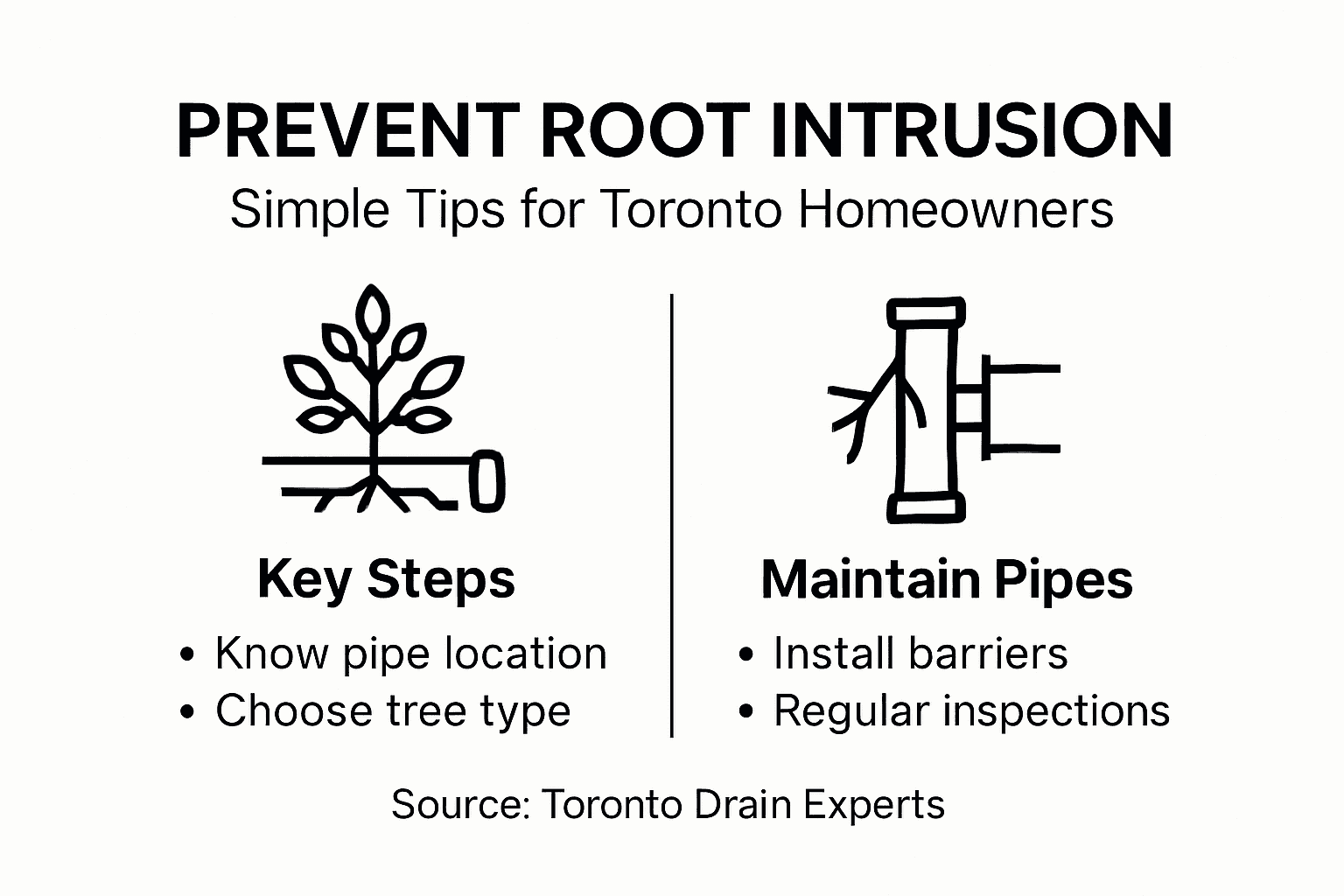
Know your sewer line location. This is your starting point for prevention. Many Toronto homeowners have no idea where their main sewer line runs under their property. Request a map from your municipality or have a professional locate it using sewer cameras. Once you know the exact path, you can plan your landscaping accordingly.
Choose tree species carefully. If you need to plant new trees, avoid species with aggressive root systems like willows, maples, and poplars. Instead, select trees with shallow or non-invasive roots like dogwood, ash, or birch. Keep any new trees at least 30 metres away from your sewer line whenever possible. This simple choice prevents future problems before they start.
Below is a quick tree selection reference for planting near drain pipes:
| Tree Type | Root System Aggressiveness | Suitable Distance from Pipes |
|---|---|---|
| Willow | Very aggressive | 30+ metres |
| Maple | Highly aggressive | 30+ metres |
| Poplar | Very aggressive | 30+ metres |
| Dogwood | Less aggressive | 10+ metres |
| Ash | Moderate | 15+ metres |
| Birch | Less aggressive | 15+ metres |
Install root barriers. If you already have trees near your sewer line, consider installing a physical root barrier. These are solid walls installed between the tree and your pipes that redirect roots away from your drainage system. Barriers work best when installed before roots reach your pipes, though they can help prevent additional damage in established problem areas.
Schedule regular inspections. Annual or biennial sewer camera inspections catch root problems early when they’re cheapest to address. Many homeowners wait until backups occur, but by then roots have already caused significant damage. Regular inspections let you spot roots when they’re just starting to enter your pipes.
Maintain your drainage system. Keep your gutters and downspouts clear so water flows away from your foundation and sewer line. Repair leaks promptly since the moisture attracts roots. These basic maintenance tasks reduce the moisture that draws roots to your pipes in the first place.
Pro tip: If you’re having roots removed, ask your plumber about applying a chemical root treatment afterward. While not permanent, it slows regrowth significantly and buys you time between professional cleanings, especially if you can’t address the underlying pipe damage immediately.
Protect Your Toronto Home From Root Damage Today
Dealing with roots invading your drain pipes can feel overwhelming and costly. When you notice slow drains, yard damage, or frequent backups especially after rain, it’s essential to act fast to prevent extensive pipe damage and expensive repairs. At DrainWorks Plumbing, we understand the frustration and risks that come with root intrusion in your sewer system. Our licensed and insured team offers expert sewer camera inspections to identify root problems early and effective removal methods like hydro jetting combined with targeted treatments to keep your drains clear.

Don’t wait for a major backup to disrupt your home. With over 30 years of experience serving Toronto homeowners, DrainWorks Plumbing provides transparent pricing, honest advice, and reliable service to solve root-related drain issues promptly. Visit DrainWorks Plumbing now to schedule your inspection and protect your home’s plumbing system from root damage before it becomes a costly emergency.
Frequently Asked Questions
What are the signs that tree roots are invading my drain pipes?
You may notice slow drains in your lowest fixtures, gurgling sounds from toilets and drains, backups after heavy rain, or wet patches in your yard. These are all indicators of potential root intrusion in your plumbing system.
How do tree roots get into drain pipes?
Tree roots are naturally drawn to moisture and nutrients in your drain pipes. Even tiny cracks or loose joints allow root hairs to enter, where they can grow and create blockages over time.
What methods are effective for removing roots from drain pipes?
Mechanical root cutting, hydro jetting, chemical treatments, and pipe replacement or repair are common methods. Each has its benefits and is chosen based on the severity of the root intrusion and the condition of the pipes.
How can I prevent tree roots from damaging my plumbing in the future?
Preventive measures include knowing the location of your sewer line, selecting non-invasive tree species for planting, installing root barriers, scheduling regular sewer inspections, and maintaining your drainage system to minimize moisture that attracts roots.
Recommended