
Sewer Blockage – Protecting Your Toronto Home

A sudden sewage backup in your Toronto home can quickly turn a normal day into a stressful ordeal. Not only do sewer blockages disrupt your comfort, but they also risk expensive repairs and potential property damage. Causes range from grease and debris buildup to tree root intrusion and even heavy rainfall overwhelming older pipes. Knowing what triggers these blockages helps you act swiftly and safeguard your home with the help of reliable, transparent plumbing solutions.
Table of Contents
- What Causes Sewer Blockage In Toronto
- Types And Signs Of Sewer Blockage
- Homeowner Vs City Responsibility Explained
- Health Risks And Property Damage Concerns
- Costs, Solutions, And Prevention Strategies
Key Takeaways
| Point | Details |
|---|---|
| Sewer Blockage Causes | Common causes include organic debris, tree root intrusion, heavy rainfall, and aging infrastructure, requiring proactive measures for prevention. |
| Regular Inspections | Homeowners should conduct annual sewer inspections to mitigate risks associated with blockages and address issues before they escalate. |
| Responsibility Awareness | Understanding the division of responsibilities between city-owned and homeowner-owned sewer lines is crucial for effective maintenance and cost management. |
| Health and Property Risks | Sewer blockages pose significant health risks and can lead to extensive property damage, making immediate professional intervention crucial. |
What Causes Sewer Blockage In Toronto
Toronto homeowners face several complex challenges when it comes to sewer blockages, with multiple potential causes disrupting their home’s plumbing infrastructure. Understanding these issues can help prevent costly repairs and significant property damage.
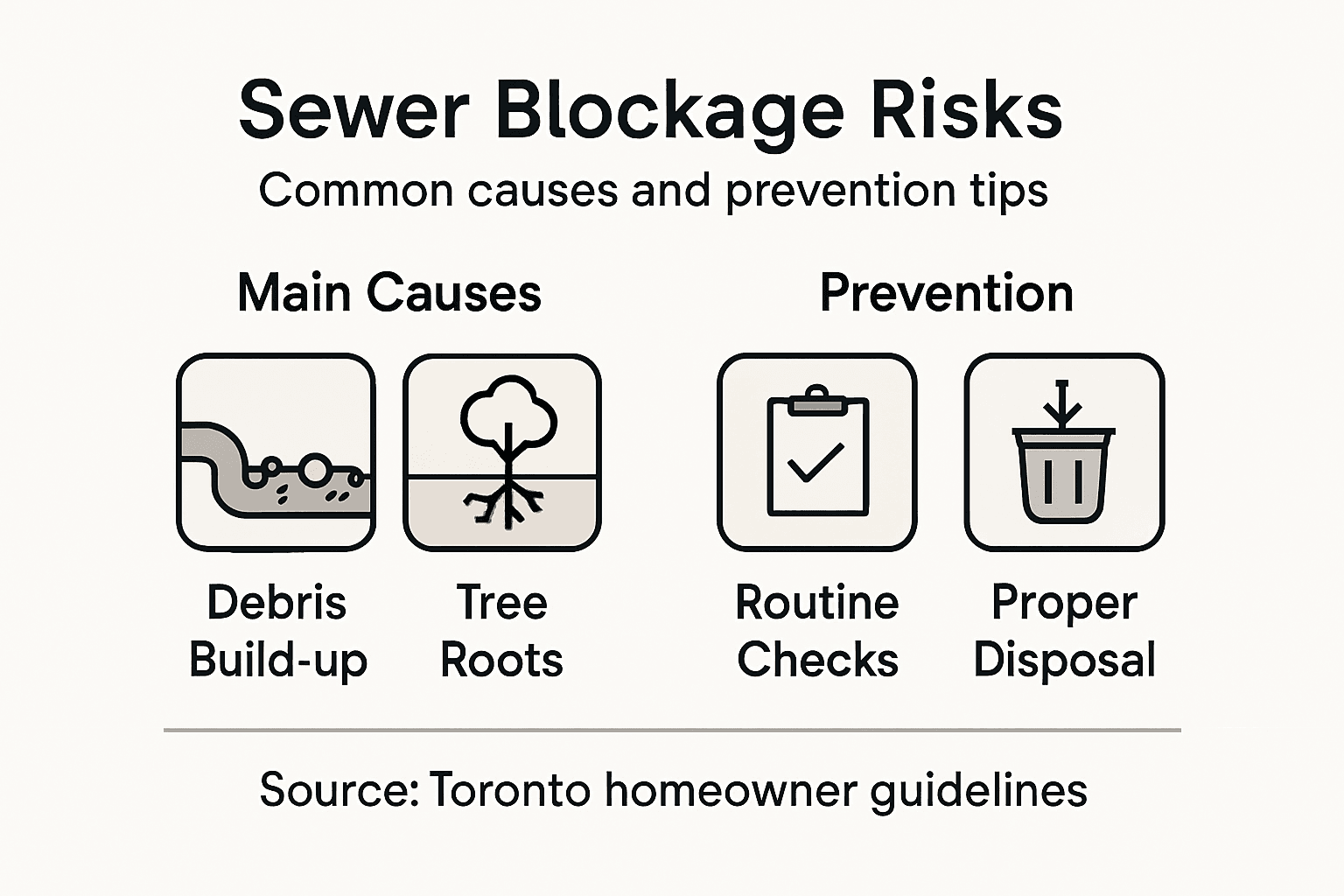
One primary cause of sewer blockages is the accumulation of organic debris within pipes. This includes everyday materials like:
- Cooking grease and fats
- Food particles
- Hair and soap residue
- Paper products
These substances gradually build up inside pipe walls, creating narrow passages that impede water flow and eventually cause complete blockages. Tree roots in the sewer line represent another significant problem for many Toronto properties, especially those with mature landscaping.
Tree root intrusion occurs when small roots penetrate pipe joints or existing cracks, seeking moisture and nutrients. As roots grow, they expand inside pipes, creating substantial obstructions that can completely block wastewater flow. Older clay or concrete pipes are particularly vulnerable to this type of damage.
Heavy rainfall presents another critical challenge for Toronto’s sewer systems. When substantial precipitation overwhelms municipal infrastructure, sewage can back up into residential properties. This risk increases during spring thaw or intense summer storm periods, where drainage systems struggle to manage sudden water volume.
Aging infrastructure compounds these blockage risks, with many Toronto neighbourhoods featuring sewer systems decades old and susceptible to structural deterioration.
Additionally, physical pipe damage from ground shifting, construction activities, or natural wear contributes to blockage potential. Cracked, collapsed, or misaligned pipes disrupt proper wastewater transportation, creating potential backup scenarios.
Here is a concise overview of how sewer blockage causes differ in risk and mitigation:
| Cause of Blockage | Typical Risk Level | Most Effective Prevention | Commonly Affected Homes |
|---|---|---|---|
| Organic debris build-up | Moderate | Proper waste disposal | All ages, especially older |
| Tree root intrusion | High | Regular inspections/tree management | Properties with mature landscaping |
| Heavy rainfall/flooding | High | Install backwater valves | Neighbourhoods with older drainage |
| Physical pipe damage | Moderate to High | Infrastructure upgrades | Homes near construction sites |
| Aging infrastructure | High | Proactive pipe replacement | Historic or older areas |
Pro tip: Conduct annual sewer line inspections to identify potential blockage risks before they become expensive emergencies.
Types And Signs Of Sewer Blockage
Sewer blockages in Toronto can manifest in various forms, each presenting unique challenges for homeowners. Understanding the different types and recognizing early warning signs can help prevent extensive damage and costly repairs.
There are primarily three types of sewer blockages :
- Localized Blockages : Affecting a single fixture or drain
- Main Sewer Line Blockages : Impacting the entire household’s plumbing system
- Municipal vs. Private Property Blockages : Occurring in either the City-owned or homeowner-maintained sections of the sewer system
Recognizing the signs of a developing sewer blockage is crucial for timely intervention. Signs you need a sewer drain replacement often overlap with early blockage indicators, providing homeowners with important diagnostic information.
Some key signs of potential sewer blockages include:
- Slow draining water in multiple fixtures
- Gurgling sounds from drains
- Unpleasant sewage odors
- Water backing up in toilets or sinks
- Visible sewage on lawn or in basement
Persistent or multiple symptoms suggest a more serious underlying sewer system issue that requires immediate professional attention.
Chronic blockages can result from various factors like accumulated debris, tree root intrusion, pipe damage, or infrastructure limitations. These issues can compromise your home’s plumbing efficiency and potentially lead to significant property damage if left unaddressed.

Pro tip: Invest in an annual professional sewer line inspection to catch potential blockage risks before they escalate into expensive emergencies.
Homeowner Vs City Responsibility Explained
Navigating the complex landscape of sewer line responsibilities in Toronto requires a clear understanding of the jurisdictional boundaries between municipal services and private property maintenance. The division of responsibility can often be confusing for homeowners, leading to potential disputes and unexpected repair costs.
The sewer system responsibility is typically divided into two distinct zones:
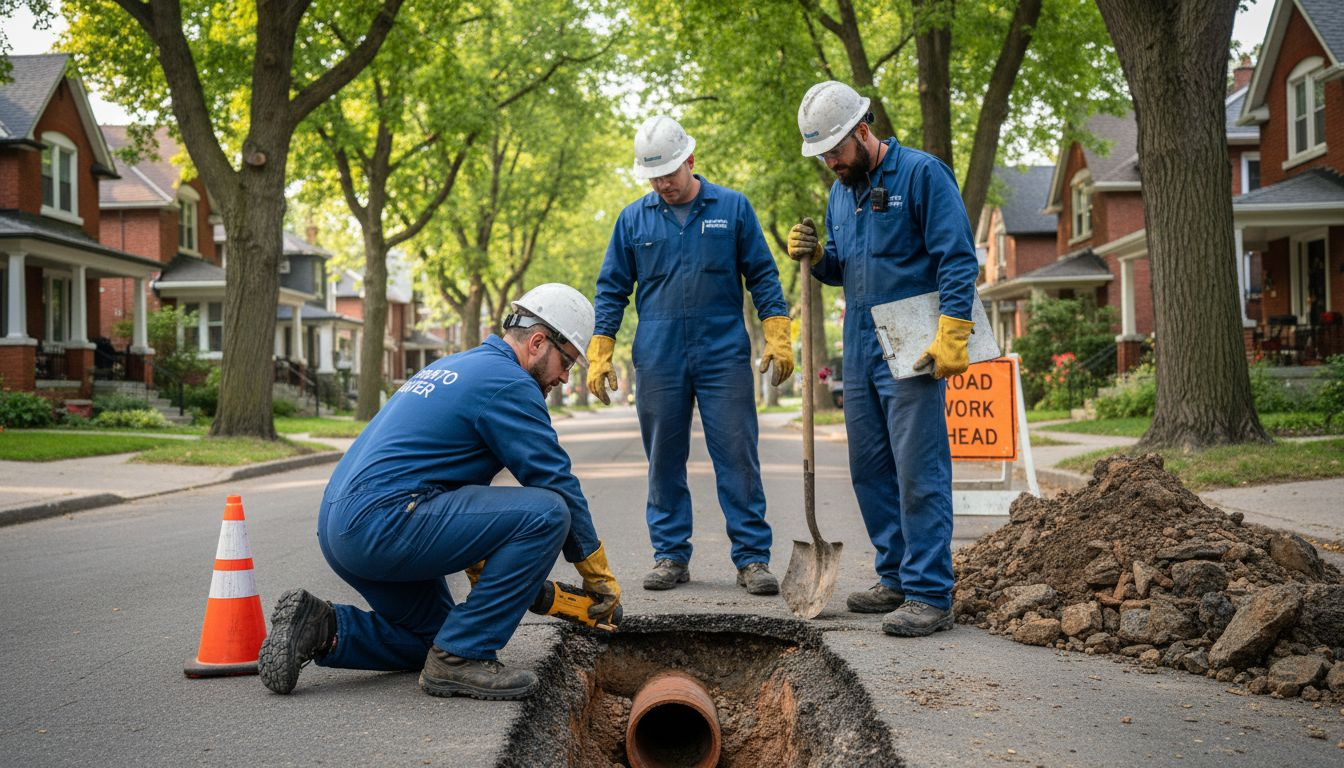
- City-Owned Section : From the sewermain under the street to the property line
- Homeowner-Owned Section : From the property line into the home’s interior
Why does a sewer line smell like sewage can often indicate which section of the sewer line might be experiencing issues, helping homeowners determine their next steps.
Specifically, the City of Toronto maintains responsibility for:
- Underground sewermains
- Public sewer infrastructure
- Connections up to the property line
Homeowners, conversely, are responsible for:
- Sewer service lines on private property
- Repairs and maintenance within their property boundaries
- Addressing blockages and potential damage in their section
Understanding these boundaries is crucial for determining who should address specific sewer-related problems and potential repair costs.
The municipal regulations are designed to create a clear delineation of maintenance responsibilities, ensuring that both the City and property owners understand their respective roles in maintaining the urban sewer infrastructure. This approach helps prevent confusion and ensures efficient management of the city’s underground utility systems.
The table below clarifies who handles different sewer system elements in Toronto:
| Sewer System Component | Responsible Party | Common Household Issue Triggered |
|---|---|---|
| Underground sewermains | City of Toronto | Neighbourhood-wide blockages |
| Pipes to property line | City of Toronto | Front yard flooding |
| Pipes beyond property line | Homeowner | Basement backups, internal leaks |
| On-property maintenance | Homeowner | Blocked drains, recurring odours |
Pro tip: Before undertaking any sewer line work, always confirm the exact property line and consult with local municipal authorities to understand your specific responsibilities.
Health Risks And Property Damage Concerns
Sewer blockages and backups represent far more than just a plumbing inconvenience - they pose significant health and property risks that Toronto homeowners must take seriously. The potential consequences extend beyond mere structural damage, encompassing serious health hazards that can impact families immediately and long-term.
The primary health risks associated with sewer backups include:
- Exposure to dangerous pathogens and bacteria
- Potential respiratory infections
- Skin and gastrointestinal illness risks
- Risk of serious viral contamination
How to clear a blocked drain becomes critically important when understanding the potential health implications of unresolved sewer issues.
Property damage from sewer backups can be extensive and devastating, potentially affecting:
- Flooring materials
- Electrical systems
- Furniture and personal belongings
- Structural building components
- Home insulation and drywall
Immediate professional intervention is crucial to mitigate both health risks and potential long-term property damage.
Contamination risks are particularly high during sewer backups, as raw sewage contains multiple harmful microorganisms that can cause serious illness. Bacteria like E. coli, viruses, and parasitic organisms can quickly spread throughout affected areas, creating potential health hazards for residents.
Pro tip: Always wear protective gear like waterproof gloves and masks if you must enter an area with sewage backup, and contact professional cleaning services immediately.
Costs, Solutions, And Prevention Strategies
Addressing sewer blockages requires a strategic approach that balances effective solutions with proactive prevention. Toronto homeowners have multiple options to mitigate risks and manage potential expenses associated with sewer system maintenance.
The key prevention strategies include:
- Regular pipe inspections
- Proper waste disposal practices
- Managing stormwater runoff
- Installing protective devices
- Monitoring nearby tree root growth
Signs you need a sewer drain replacement can help homeowners understand when more comprehensive interventions are necessary.
Cost-effective solutions for sewer blockage prevention include:
- Installing backwater valves
- Implementing root barriers
- Upgrading old pipe infrastructure
- Professional hydrojetting services
- Regular maintenance programs
The City of Toronto offers a Basement Flooding Protection Subsidy Program providing up to $3,400 for homeowners installing flood protection devices.
The financial investment in preventative measures can significantly reduce long-term repair costs. Professional interventions like pipe inspections and strategic upgrades can prevent expensive emergency repairs and potential property damage.
Pro tip: Allocate an annual budget for sewer system maintenance to catch potential issues early and avoid costly emergency repairs.
Protect Your Toronto Home From Sewer Blockages Today
Sewer blockages present serious challenges for Toronto homeowners including slow drains , sewage backups , and costly property damage. Understanding the risks from tree root intrusion , aging infrastructure, and heavy rainfall is just the first step. The next is proactive, expert help to keep your plumbing flowing freely and protect your home’s health and safety.
DrainWorks Plumbing has over 30 years of trusted experience providing Toronto residents with comprehensive solutions like sewer line inspections , hydro jetting , and backwater valve installations . We offer transparent pricing and skilled licensed technicians to address your sewer line issues before they become emergencies. Don’t wait until slow drains or foul odours disrupt your home. Visit DrainWorks Plumbing now for professional advice and trusted service. Learn more about how to clear a blocked drain or discover when you should consider sewer drain replacements. Take control of your home’s plumbing today with DrainWorks, your local experts in protecting Toronto properties.
Frequently Asked Questions
What are the common causes of sewer blockages in homes?
Sewer blockages can be caused by organic debris build-up, tree root intrusion, heavy rainfall, physical pipe damage, and aging infrastructure.
How can homeowners prevent sewer blockages?
Homeowners can prevent sewer blockages by practicing proper waste disposal, conducting regular sewer line inspections, managing stormwater runoff, and installing protective devices like backwater valves.
What signs indicate a potential sewer blockage?
Signs of a potential sewer blockage include slow draining water in fixtures, gurgling sounds from drains, unpleasant sewage odors, water backing up in toilets or sinks, and visible sewage on the lawn or in the basement.
Who is responsible for sewer line maintenance?
The City maintains the underground sewermains and public sewer infrastructure, while homeowners are responsible for maintenance of service lines on their property and addressing blockages within their home.
Recommended