
Water Leak Repair Cost: Toronto Homeowners’ Reality
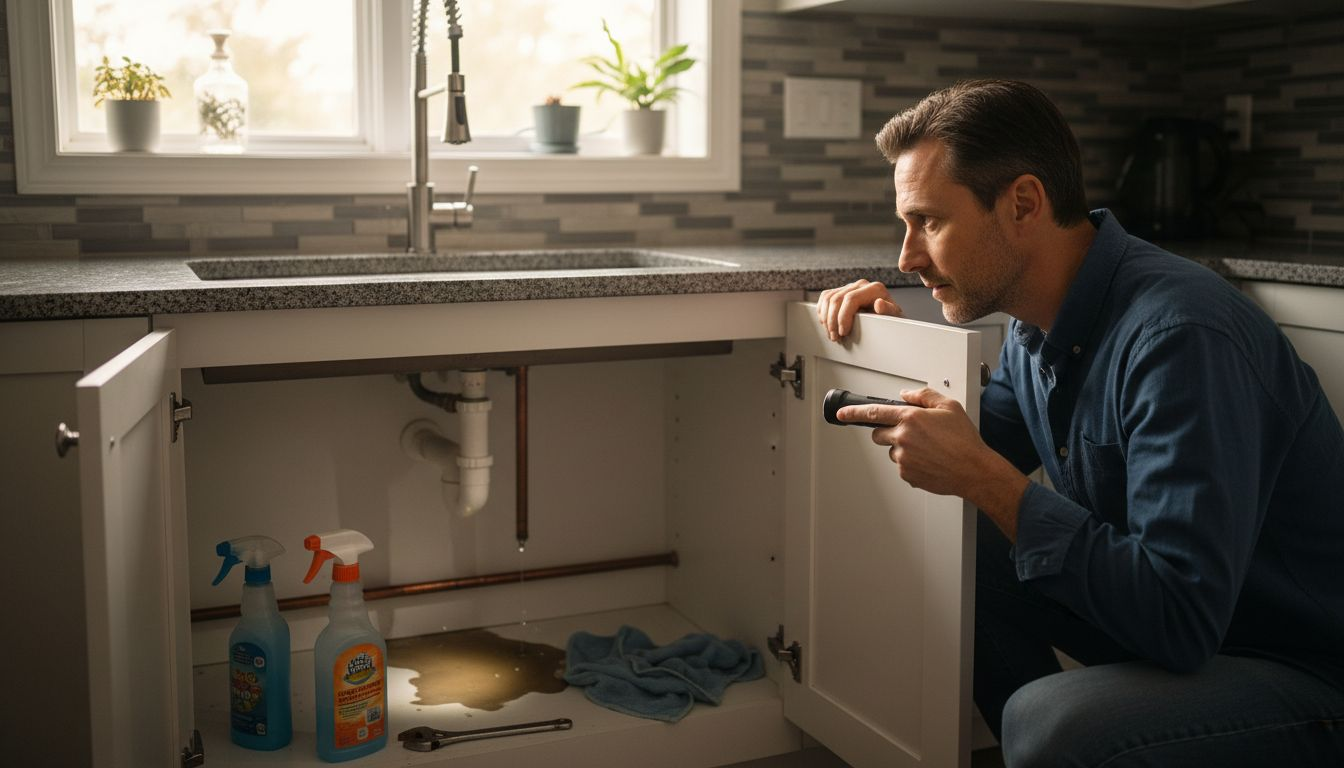
A sudden spike in your Toronto water bill or the sound of dripping behind a wall can quickly lead to questions about repair costs and what comes next. Understanding the real price of water leak repairs helps homeowners avoid unpleasant surprises and plan their budgets wisely. This guide breaks down how leak location, damage extent, and the inspection process all influence what you will pay, so you can make confident decisions and protect your home from costly water damage.
Table of Contents
- What Is Water Leak Repair Cost?
- Types of Residential Water Leaks Explained
- How Plumbers Find and Repair Leaks
- Average Toronto Pricing and What Influences Cost
- Insurance, Warranties, and Legal Factors
- How to Avoid Unexpected Expenses
Key Takeaways
| Point | Details |
|---|---|
| Water Leak Repair Costs Vary | Repair costs in Toronto depend on leak type, location, and accessibility, ranging from a few hundred dollars to thousands for major issues. |
| Hire Licensed Professionals | Always obtain written estimates from licensed plumbers for transparency and to avoid unexpected charges. |
| Early Detection Saves Money | Regularly monitor water usage and conduct simple tests to identify leaks early, preventing costly damage and repairs. |
| Understand Insurance Coverage | Review your homeowners insurance policy to know what water damage is covered and consider optional endorsements for added protection. |
What Is Water Leak Repair Cost?
Water leak repair costs in Toronto don’t follow a single price tag. Instead, they depend on several key factors that determine what you’ll actually pay when you call a plumber. The extent of the leak, where it’s located in your home, and how much damage has already occurred all play a role in pricing. A small dripping faucet costs far less than a burst pipe behind your walls or a foundation leak. Property type matters too—a townhouse leak repair might differ significantly from a single-family home repair. The complexity of accessing the problem also influences the final bill. If the leak is easy to reach in a basement or under a sink, you’ll pay less than if your plumber needs to tear into drywall or excavate under your foundation.
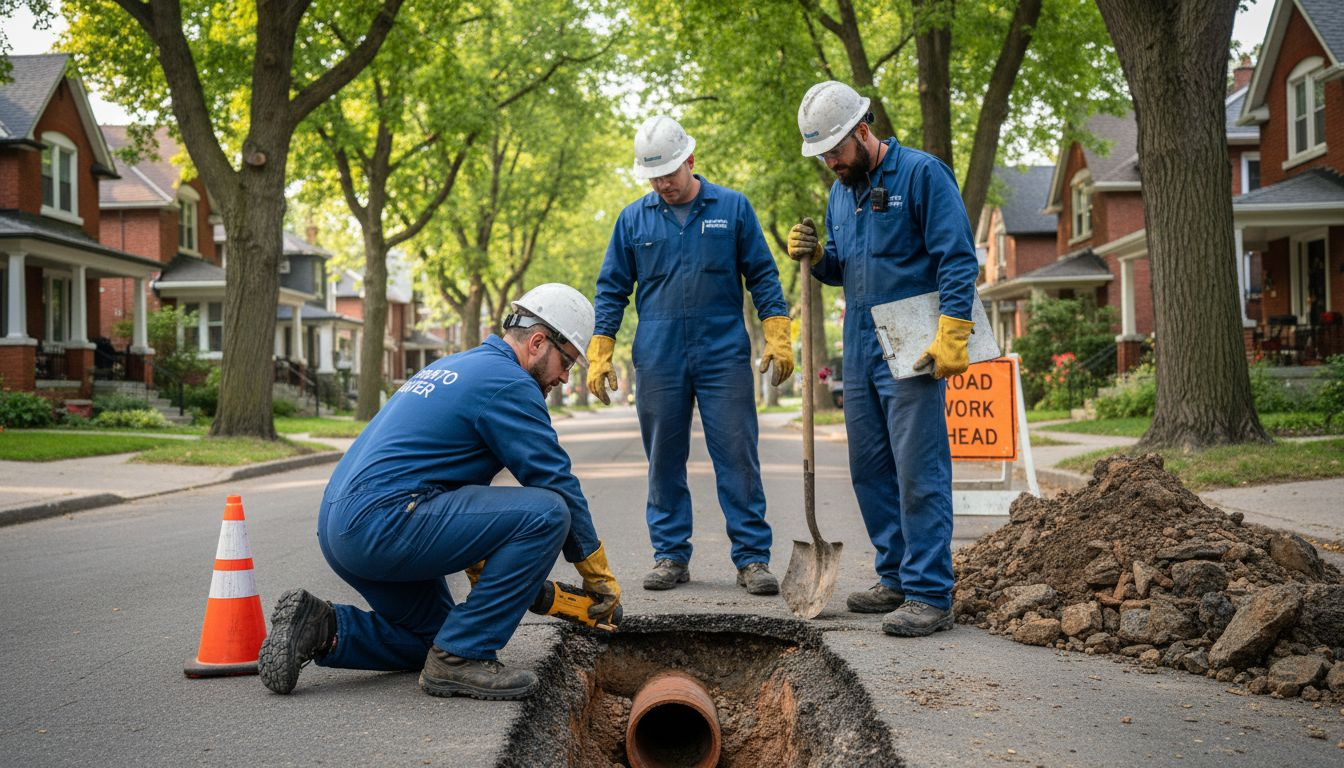
Unexpected water increases on your Toronto utility bill often signal a hidden leak somewhere in your plumbing system. According to City of Toronto guidelines, residential customers can apply for water bill adjustments when leaks cause unexplained spikes, but only after a licensed plumbing contractor inspects your system and verifies it’s free of defects. This inspection itself becomes part of your overall repair costs. The city recognises that leak detection and verification require professional evaluation, so budgeting for a thorough inspection is wise. Many homeowners discover their leaks during routine maintenance or when they spot visible damage, which is where the cost conversation typically begins.
Typical water leak repair costs in the Toronto area range from a few hundred dollars for straightforward fixes to several thousand for major plumbing issues. A leaky faucet repair or fixture replacement might cost between $300 and $700, while under-slab leaks or main water line repairs can easily exceed $3,000 to $5,000. Drain cleaning and clog clearing generally fall in the $300 to $500 range depending on severity. Hydro jetting, which uses high-pressure water to clear stubborn blockages, typically costs $1200 - $1,500. The variation exists because every home’s plumbing layout differs, and the actual cause of your leak requires professional diagnosis. This is why getting a clear estimate upfront matters so much—you deserve to know exactly what you’re paying for without hidden surprise charges later.
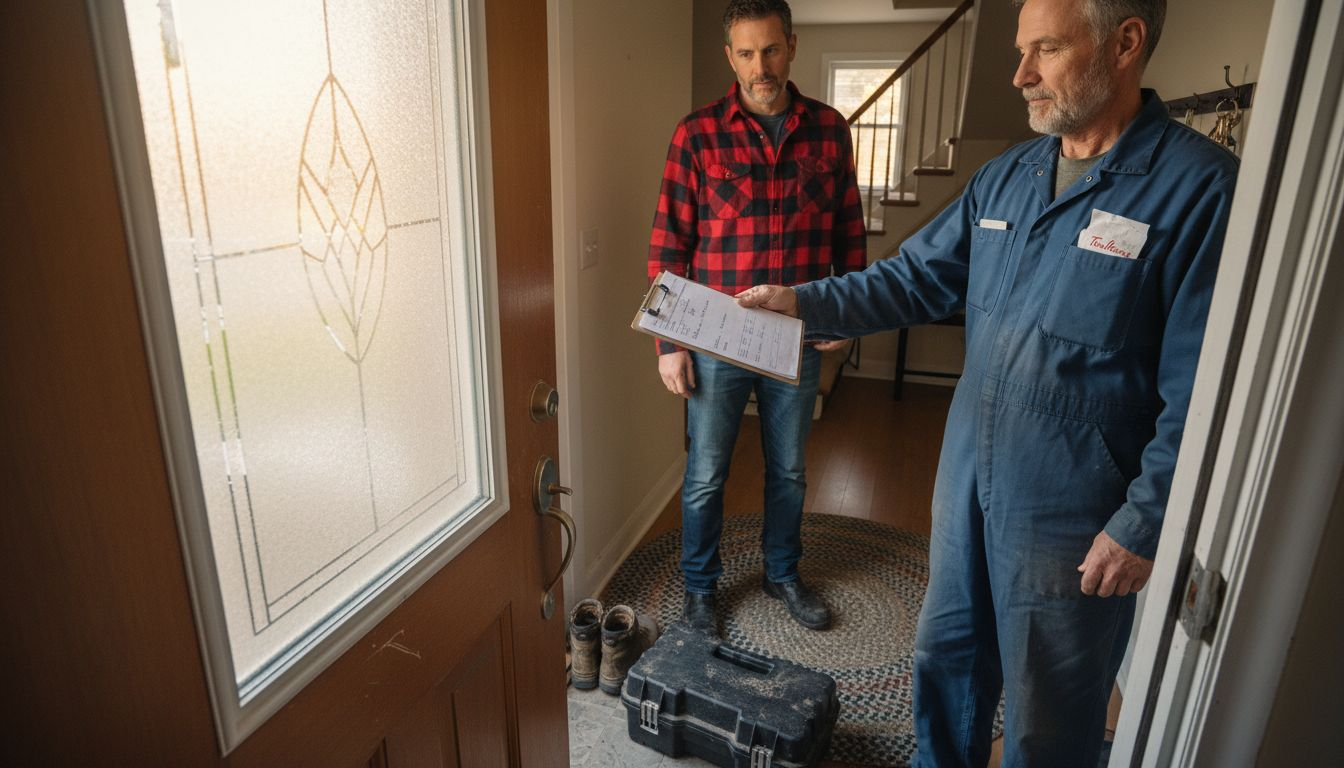
What separates transparent pricing from the rest is knowing exactly what goes into that estimate. Licensed and insured plumbing companies in Toronto should provide detailed breakdowns of labour costs, parts needed, and any additional services like camera inspections to locate the problem. Some companies charge trip fees for diagnosis, while others roll that into the service cost. Drain camera inspections, which help identify where leaks originate, typically run $265 to $400 but save you money by eliminating guesswork. The investment in proper diagnosis prevents unnecessary repairs and ensures your plumber targets the actual problem.
Pro tip: Get written estimates from multiple licensed plumbers in Toronto before choosing one—this shows you the price range for your specific issue and helps you spot any unusually high or suspiciously low quotes that might indicate hidden costs later.
Types of Residential Water Leaks Explained
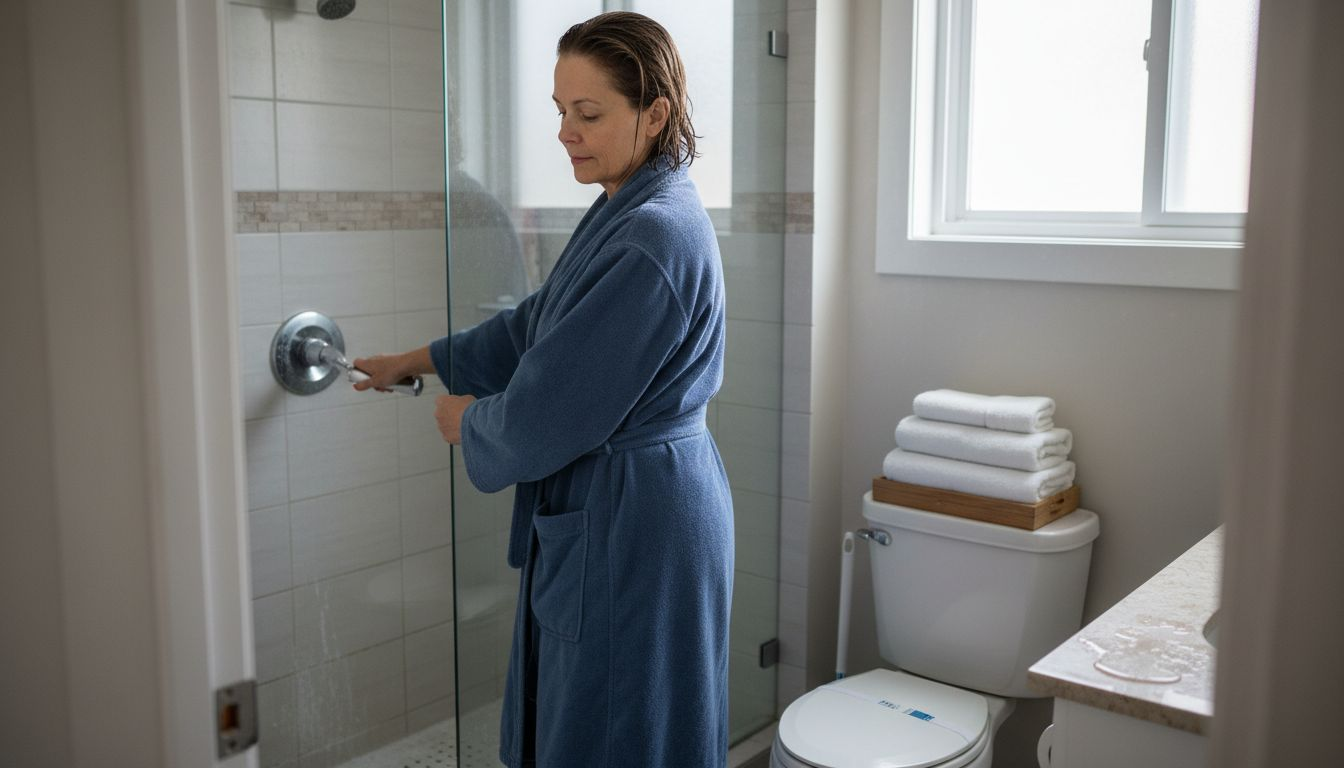
Water leaks come in many forms around your Toronto home, and understanding what you’re dealing with helps you know how serious the problem is and what it might cost to fix. The most common residential water leaks are the ones you can actually see and hear. A dripping faucet in your kitchen or bathroom might seem minor, but a single faucet dripping once per second wastes nearly 3,000 gallons of water annually. Worn toilet flappers create similar waste—they allow water to continuously run from the tank into the bowl without you ever flushing. Leaking showerheads and loose pipe connections under sinks round out the visible culprits. These leaks are typically straightforward to locate and repair, which is why they tend to be less expensive to fix. Most homeowners can even tackle a simple leaky bathroom faucet repair themselves, though calling a professional ensures the job gets done right the first time.
Then there are the hidden leaks that cause real financial damage before you even notice them. Supply line leaks occur within the pipes running water to your fixtures—these can be behind walls, under floors, or beneath your foundation. Slab leaks happen in the concrete foundations of homes where main water lines run underneath. Drain line leaks differ from supply line leaks because they carry waste water away rather than fresh water in. These hidden leaks often go undetected for weeks or months, leading to structural damage, mould growth, and sky-high water bills. The challenge with hidden leaks is that they require professional detection methods. Listening sticks and acoustic devices help plumbers pinpoint where water escapes within your walls. Thermal imaging reveals temperature variations that indicate water movement. In some cases, plumbers use drain camera inspections to visually identify cracks and breaks in your piping system.
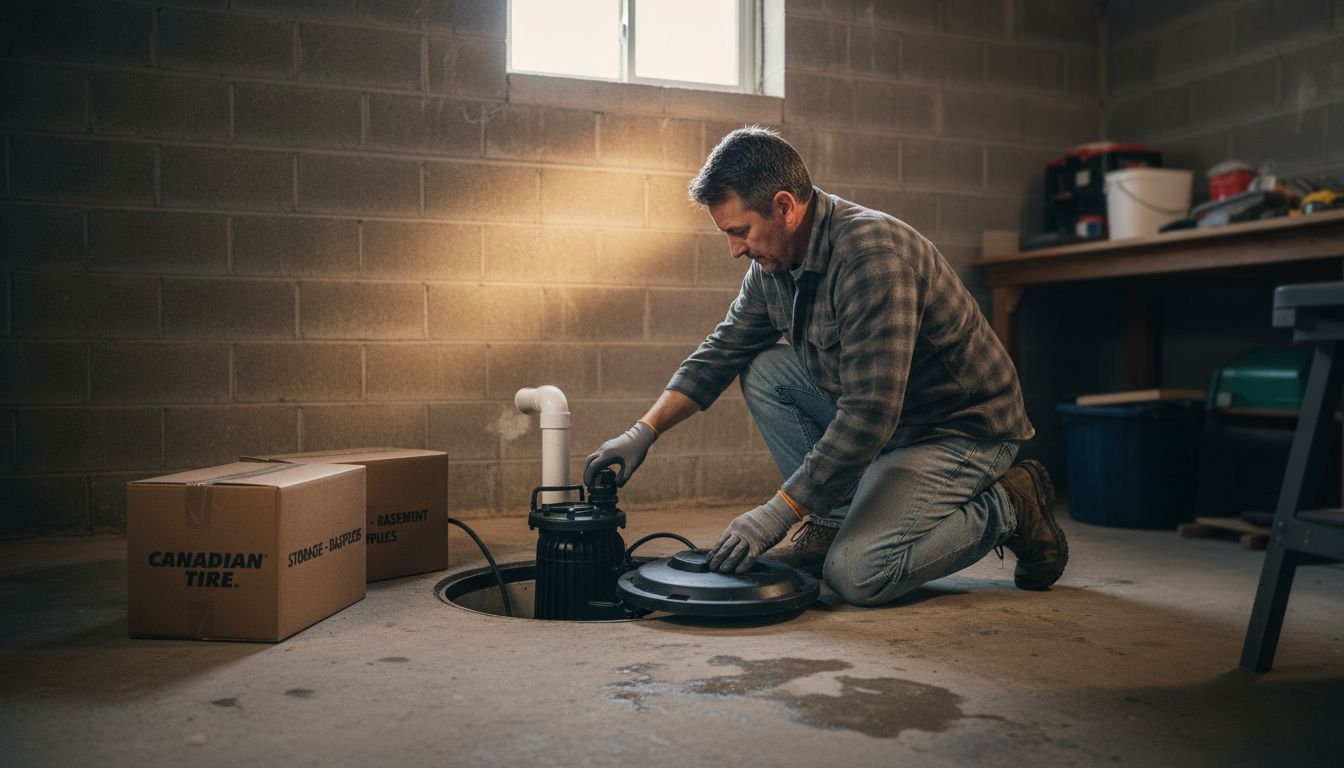
The location of your leak determines both the repair difficulty and the cost. A leak in an easily accessible area like under your kitchen sink might cost $300 to $600 to repair. A leak in your main water line running under your foundation or yard could run $2,000 to $5,000 or more. Basement wall leaks and foundation cracks demand immediate attention because water infiltration weakens your home’s structural integrity. Ceiling leaks often indicate roof or upper floor plumbing problems and require diagnosis from multiple angles. Each leak type needs different repair strategies, which is why getting a professional inspection matters so much.

Water waste from residential leaks affects your utility bills directly, but the real costs hide in potential damage. A small leak ignored for a year can waste thousands of gallons and hundreds of dollars. Left unchecked, it can rot wood, ruin drywall, promote mould, and compromise your home’s foundation. This is why early detection saves money in the long run. If you notice any signs of water damage, staining, or unexplained spikes in your water bill, professional evaluation is worth the investment.
Here’s a quick comparison of common residential leak types, their impact, and detection difficulty in Toronto homes:
| Leak Type | Typical Location | Detection Difficulty | Potential Impact |
|---|---|---|---|
| Dripping faucet | Kitchen/bathroom sinks | Easy | Water waste, minor damage |
| Toilet flapper leak | Inside toilet tank | Easy | Constant running, higher bill |
| Showerhead/pipe joint | Shower or under sinks | Moderate | Staining, minor repairs |
| Supply line leak | Walls, crawlspaces | Hard | Hidden damage, high cost |
| Slab leak | Under concrete/foundation | Very hard | Major structural impact |
| Drain line leak | Beneath floors or yard | Hard | Mould, foundation issues |
Pro tip: Check your water meter before and after a two-hour period when no one uses water—if the meter changes, you likely have a hidden leak that needs professional attention.
How Plumbers Find and Repair Leaks
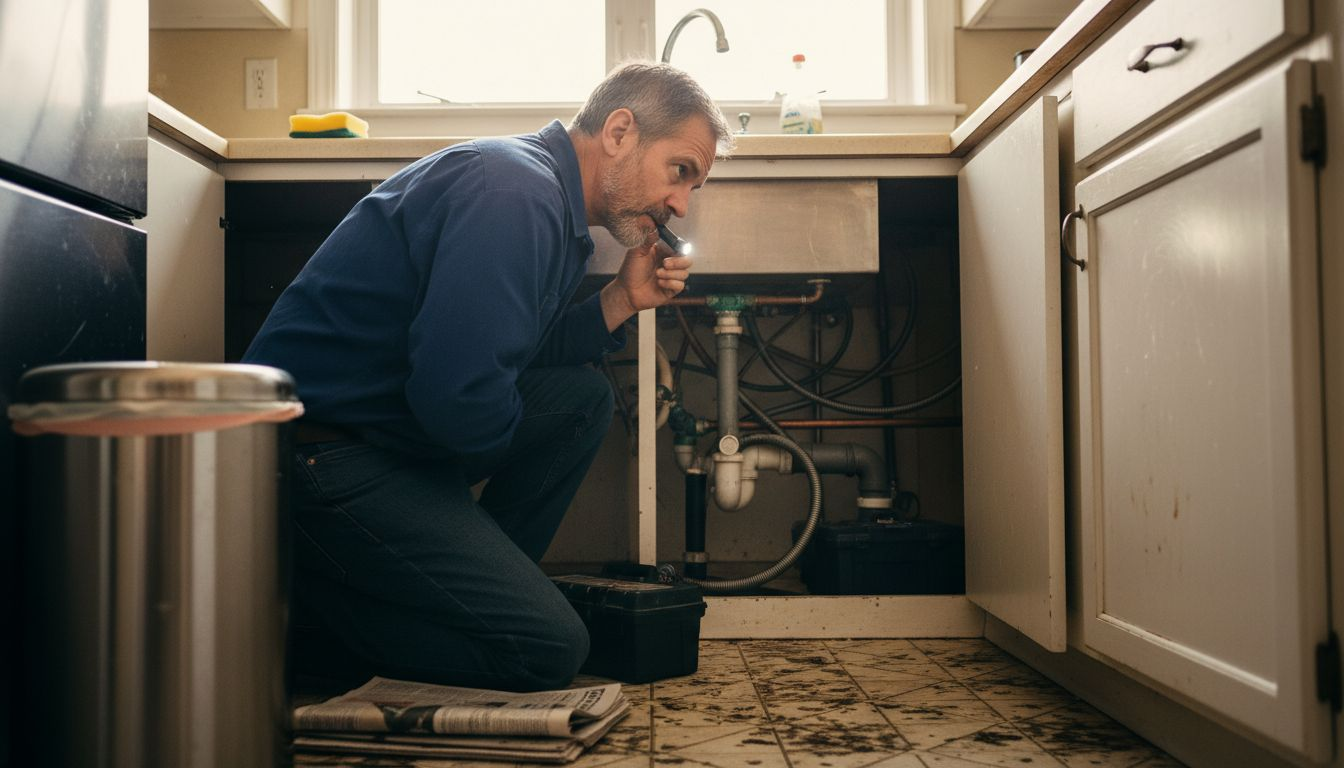
Finding a leak is often the hardest part of fixing one. A professional plumber in Toronto starts with simple diagnostics before moving to advanced tools. The first step involves checking your water metre for continuous flow when no one is using water in the home. If the metre reading changes despite all taps being off, you have a leak somewhere in your system. Your plumber might then perform a toilet dye test , dropping food colouring into the toilet tank to see if it seeps into the bowl without flushing. This reveals whether your toilet flapper is worn and wasting water. Visual inspections of all accessible fixtures and pipes come next—checking under sinks, around the water heater area, and in the basement for obvious signs of moisture, staining, or dripping. These basic checks often identify the problem quickly and cost you less than advanced detection methods.
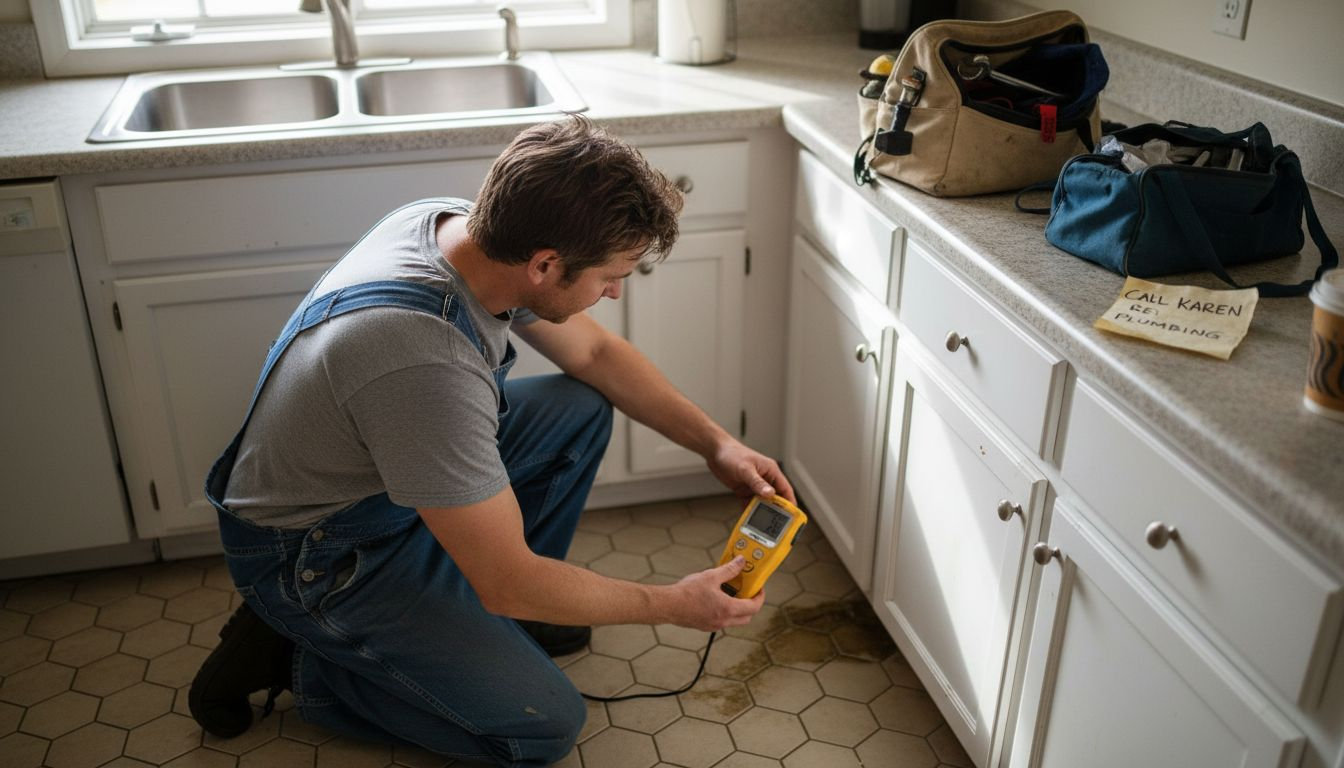
When visible inspection doesn’t reveal the leak, plumbers turn to professional detection equipment . Drain camera inspections allow your plumber to see inside pipes and spot cracks, breaks, or misaligned sections that cause water escape. Further to this, investigating by opening walls, ceilings, or the ground to expose plumbing may be required. Each detection method costs between $179 and $265, but finding the actual problem first prevents you from paying for unnecessary repairs.
Repairs vary dramatically based on what the plumber finds. A simple fix like replacing a worn toilet flapper or tightening a loose pipe connection takes under 2 hours and can cost $300 to $400. A leaky outdoor hose bib repair might run $350 to $600 depending on whether the valve needs replacing or just tightening or if additional pipe work is needed. More complex repairs like patching a slab leak beneath your foundation or replacing a section of your main water line require excavation, multiple visits, and costs scaling into the thousands. Your plumber will explain exactly what they found, why it needs fixing, and what the repair involves before starting work.
The repair process itself depends on leak location and type. Surface-level leaks in accessible areas get fixed immediately. Hidden leaks sometimes require temporary solutions while your plumber schedules excavation or wall access. For drain leaks, your plumber might recommend hydro jetting to clear blockages contributing to the problem, or in severe cases, drain replacement. Slab leaks often need trenchless pipe repair methods that avoid tearing up your entire basement floor. A licensed Toronto plumber will discuss all options with you, showing you the cost difference between temporary fixes and permanent solutions so you can make an informed choice.
Pro tip: Ask your plumber for a written summary of what they found, what caused it, and why they recommend their chosen repair method—this documentation helps you understand the problem and protects you if issues resurface later.
Average Toronto Pricing and What Influences Cost
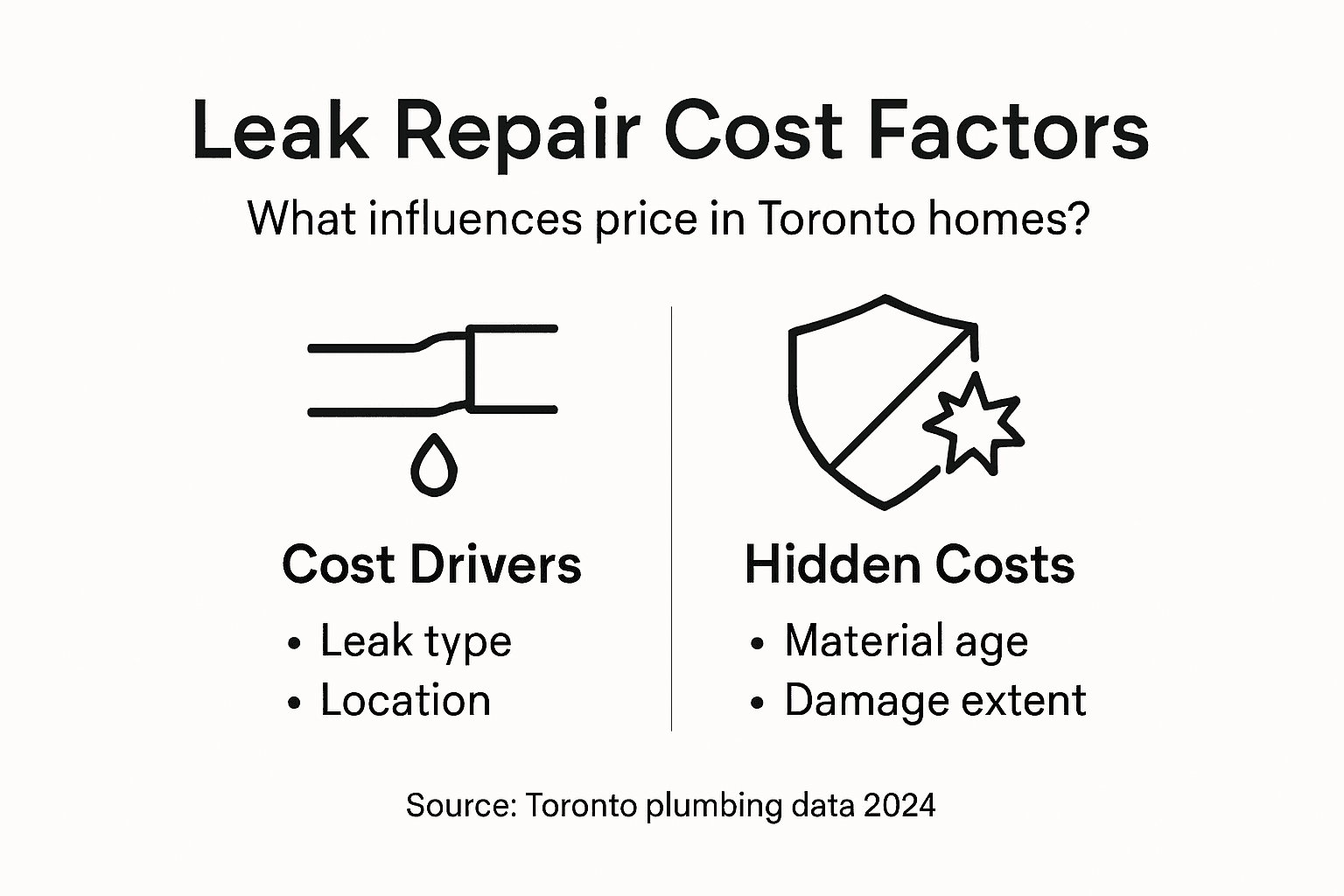
Water leak repair costs in Toronto vary wildly depending on several factors that plumbers must assess before giving you a final quote. A simple fixture repair like replacing a toilet flapper or tightening a pipe connection typically runs $200 to $400 including labour and parts. Moving up the complexity scale, drain cleaning and clog clearing generally costs $300 to $800 depending on how stubborn the blockage is. Hydro jetting to clear severe blockages runs $400 to $1,200. When you reach supply line repairs beneath your home, slab leaks, or main water line issues, costs jump significantly to $2,000 to $5,000 or more. Some emergency repairs requiring excavation under your foundation or yard can exceed $10,000. The range exists because every home’s plumbing layout differs, every leak location presents unique challenges, and every homeowner’s situation requires a customised solution.
What Really Drives Your Repair Cost
Material prices form the foundation of your repair estimate. Toronto’s infrastructure age means many homes still have older copper piping or galvanised steel that requires specific replacement materials. New fittings, valves, and pipe sections cost money, and the further from standard the repair, the more you’ll pay. Labour rates reflect the skill and experience of your plumber. A fully trained, full-time technician with years of experience costs more per hour than an apprentice, but the quality of work justifies the difference. System complexity matters enormously. A leak in a straightforward main line takes less time than diagnosing and repairing a leak in a branching supply system with multiple connection points. Emergency conditions affect pricing too. If your leak occurs during business hours between 8 am and 7 pm, you pay standard rates. If water damage is spreading and needs immediate attention, emergency service fees apply.
Infrastructure age and condition significantly influence what your repair will cost. Older Toronto homes often have plumbing that’s reached the end of its lifespan, meaning one leak frequently signals others brewing nearby. If your plumber discovers additional issues while fixing your main leak, the scope of work expands and so does the cost. Excavation and access requirements can triple or quadruple your bill. A leak that requires cutting into drywall, tearing up flooring, or digging under your foundation demands heavy equipment, multiple trades, and extended timelines. Some drain cleaning services can be performed quickly, while others require strategic planning. Material type and system design also play roles. If your home has a trenchless water line system, repairs use different techniques than traditional buried pipes. If your plumbing uses PVC, copper, or older cast iron, replacement part costs vary considerably.
Toronto’s water rates and municipal service fees indirectly influence repair priorities. As of 2026, water rates continue to increase, making water conservation more valuable to homeowners. When you’re facing high costs, understanding what drives the bill helps you make informed decisions about repairs versus replacement. Some homeowners choose to replace an entire section of failing plumbing rather than repeatedly patch individual leaks. A licensed plumber will present this choice clearly, showing you the cost difference and the long-term savings of permanent solutions over temporary fixes.
Below is a summary of what drives water leak repair costs in Toronto and how each factor influences your bill:
| Cost Factor | Influence on Price | Example Effect |
|---|---|---|
| Materials | Higher for rare components | Older copper pipes increase material costs |
| Labour rates | Skilled techs cost more | Master plumber charges more than apprentice |
| System complexity | More complex, more expensive | Multi-branch systems take longer to diagnose |
| Emergency response | Off-hours mean surcharges | Night/weekend leaks increase total cost |
| Infrastructure age | Older systems lead to extras | Fragile pipes may need broader replacements |
| Access difficulty | Hard access raises labour | Excavating foundation triples total cost |
Pro tip: When comparing plumbing quotes, look at what’s included in each estimate—labour costs, materials, parts warranties, and whether the quote covers unexpected issues discovered during work—because the cheapest quote often becomes expensive if hidden costs emerge later.
Insurance, Warranties, and Legal Factors
Water damage from leaks falls into a complicated insurance landscape where coverage depends on what caused the leak and when you discovered it. Most standard homeowners insurance policies in Ontario cover sudden, accidental water damage like a burst pipe, but they typically exclude damage from slow leaks that went unnoticed for weeks or months. The distinction matters because your insurance company will investigate whether you should have caught the leak earlier. If you have a slow drip under your sink that damages cabinets over time, your insurer may deny the claim arguing you were negligent in maintenance. However, sudden events like a frozen pipe bursting overnight usually qualify for coverage. Understanding your specific policy language is crucial before a leak happens. Many Toronto homeowners don’t realise their basic coverage has gaps until they file a claim and discover their water damage isn’t covered.
Optional water damage endorsements in Ontario property insurance policies can fill these gaps. You can add sewer backup coverage and enhanced water damage protection to your existing policy, typically for a modest additional premium. These endorsements cover interior water damage from leaks, sewer system failures, and related service line repairs that standard policies exclude. Sewer backup coverage is particularly valuable in Toronto, where heavy rain can overwhelm combined sewer systems and force sewage back into basements. If you’re paying for these upgrades, they’re worth the cost given how quickly water damage accumulates. A single sewer backup event can cause $20,000 or more in damages, making the annual endorsement fee seem trivial by comparison.
Legal responsibility for water damage depends on whether the City of Toronto or your private plumbing system caused the problem. The City is responsible only for damages caused by negligence in maintaining or installing municipal infrastructure. If the City’s sewer system backs up during a storm the system was designed to handle, you may have a claim. But if the City properly maintained the system according to engineering standards, they’re not liable even if you suffer water damage. This is why the City strongly encourages residents to carry proper insurance. Notifying the City promptly is essential if you believe municipal negligence caused your damage, but this notification doesn’t guarantee compensation. Many Toronto homeowners file claims that get denied because the infrastructure was functioning as designed.
Warranties on plumbing repairs protect you if something goes wrong immediately after work. A reputable plumber typically guarantees their labour for 12 months, meaning if a pipe they repaired leaks again due to faulty workmanship, they’ll fix it at no charge. Parts warranties vary by manufacturer but often run 5 to 10 years for most plumbing components. Keep all warranty documentation organised with receipts and service reports. If you discover an issue covered by warranty, contact your plumber promptly with photos and details. Some newer repair methods like trenchless pipe replacement offer extended warranties because the technology is proven durable. Always ask about warranties before agreeing to any repair, as they represent real value and peace of mind.
Pro tip: Review your homeowners insurance policy right now to see what water damage coverage you have, then contact your broker about sewer backup and enhanced water damage endorsements—the small annual cost could save you tens of thousands if a leak or backup occurs.
How to Avoid Unexpected Expenses
The best water leak repair expense is the one you never have to pay. Preventing leaks costs significantly less than fixing them, and catching small problems before they become catastrophes saves you thousands of dollars. Start by monitoring your water consumption regularly . Check your water metre once a month when no one is using water. Write down the reading and compare it to the previous month. If consumption spikes without explanation, you likely have a leak somewhere. Toronto residents can request water metre readings from the City, and comparing your bills month to month reveals patterns. A sudden increase of 20 or 30 percent often signals a hidden leak that needs professional attention. This simple habit catches problems early when repairs are cheap rather than late when walls are rotting.
Simple leak detection tests catch visible problems before they cause damage. The toilet dye test uses food colouring dropped into your toilet tank to reveal whether water is seeping into the bowl through a worn flapper. Wait 15 minutes without flushing. If colour appears in the bowl, your flapper needs replacing. Check under every sink, around your water heater, and in your basement for obvious moisture, staining, or dripping. Look for soft spots in drywall or flooring that indicate hidden moisture. Listen for running water sounds when all taps are off. These tests cost nothing and take minutes, yet they catch the majority of leaks early. Many Toronto homeowners perform these checks quarterly, making leak detection part of their routine home maintenance rather than an emergency response.
Regular maintenance prevents leaks before they start . Replace toilet flappers every 3 to 5 years even if they’re not leaking yet. They’re inexpensive parts that fail predictably, and replacing them proactively stops water waste. Inspect exposed pipes for corrosion or cracks. Check hose connections under sinks and behind appliances for tightness. Insulate pipes in unheated areas like basements and crawl spaces to prevent freeze damage during Toronto winters. If you notice a small leak, fix it immediately rather than waiting for next month. A dripping faucet seems trivial until you realise it’s costing you $35 per month in wasted water. The longer you delay, the more damage spreads and the higher repair costs climb. Prompt action on small issues prevents expensive large problems.
When you do need repair work, getting multiple quotes protects your budget. Ask each plumber whether their estimate includes all labour, parts, and any additional fees. Some companies quote low initial prices then add trip fees, diagnostic charges, or unexpected costs when they discover additional problems. Written estimates allow you to compare apples to apples. If one quote seems drastically lower than others, ask why. It might indicate a less experienced plumber or incomplete scope. If one quote seems excessively high, ask for itemised details. The cheapest option isn’t always best, but the most expensive certainly isn’t necessary. A fair price from a licensed, insured professional represents your best value.
Pro tip: Set a calendar reminder to check your water metre and conduct simple leak tests quarterly—catching and fixing small leaks before they spread saves you far more than the cost of routine maintenance.
Protect Your Toronto Home From Costly Water Leaks with Trusted Experts
Water leaks can quickly turn from minor annoyances to major financial burdens with hidden damage, rising water bills, and costly repairs. If you have noticed unusual spikes on your water bill or signs of moisture around your home, do not wait until the problem worsens. At DrainWorks Plumbing, we understand the complexity and urgency that water leaks bring to Toronto homeowners. We provide comprehensive solutions ranging from simple leak repairs to advanced leak detection including sewer camera inspections and hydro jetting. Our licensed and insured team has over 30 years of experience delivering transparent pricing and lasting results without any hidden fees.

Don’t let a small drip become a huge expense. Take control of your home’s plumbing health today by scheduling a professional leak inspection or repair with DrainWorks. Visit DrainWorks Plumbing to learn more about our services or request a clear upfront quote now. Your home deserves the best care and your peace of mind is just a call away.
Frequently Asked Questions
What factors influence the cost of water leak repair?
Factors that influence water leak repair costs include the type and extent of the leak, location within the home, damage already caused, type of property, and accessibility of the repair site.
How can I identify a water leak in my home?
You can identify a water leak by checking your water metre for continuous flow, performing a toilet dye test, and looking for visible signs of moisture or water stains in areas such as under sinks, around water heaters, and basements.
What are common types of water leaks in residential homes?
Common types of water leaks include dripping faucets, worn toilet flappers, leaking showerheads, supply line leaks, slab leaks, and drain line leaks. Each presents different detection difficulties and potential impacts on your home.
How do professional plumbers find and repair leaks?
Professional plumbers find leaks using diagnostic tools such as water metre checks, toilet dye tests, visual inspections, drain camera inspections, and acoustic listening devices. Repairs can range from simple fixes to extensive repairs depending on the leak’s location and severity.
Recommended