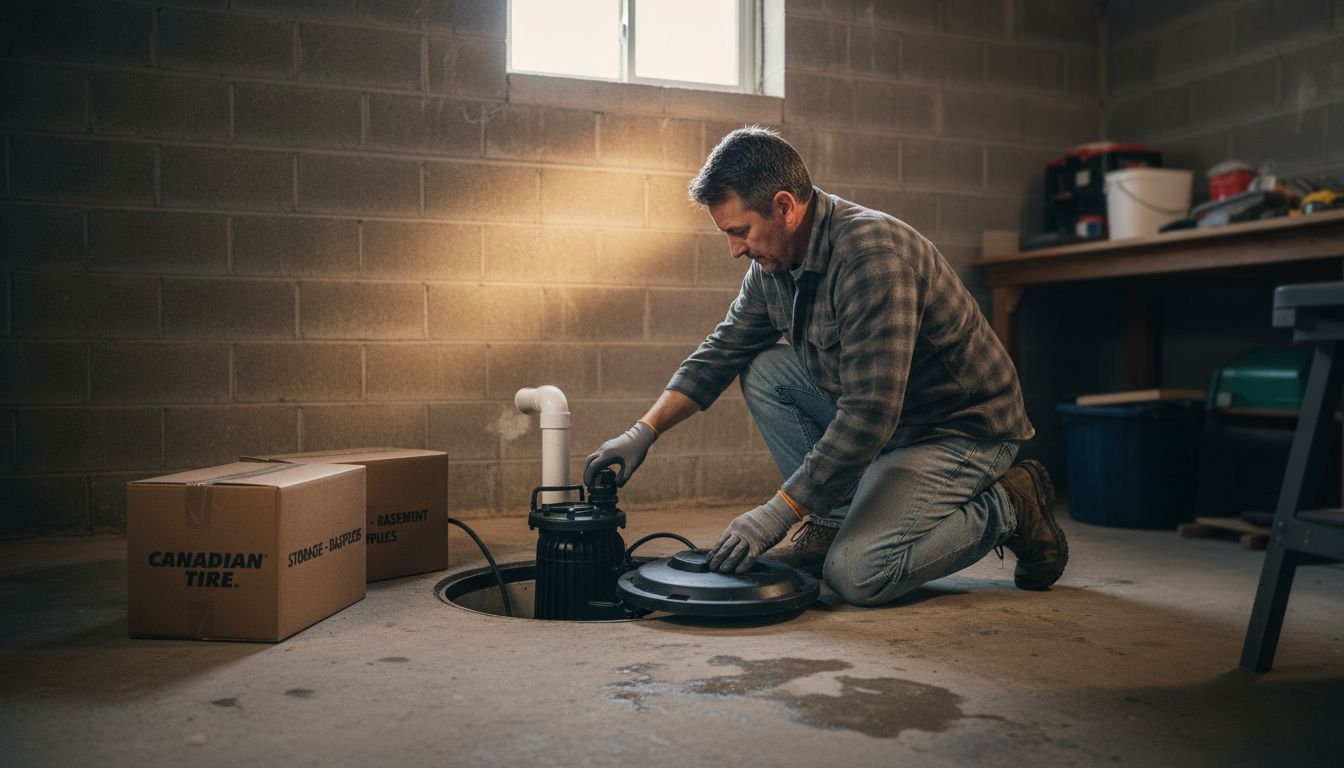

Foundation and Basement Waterproofing in Toronto - Protecting Your Home
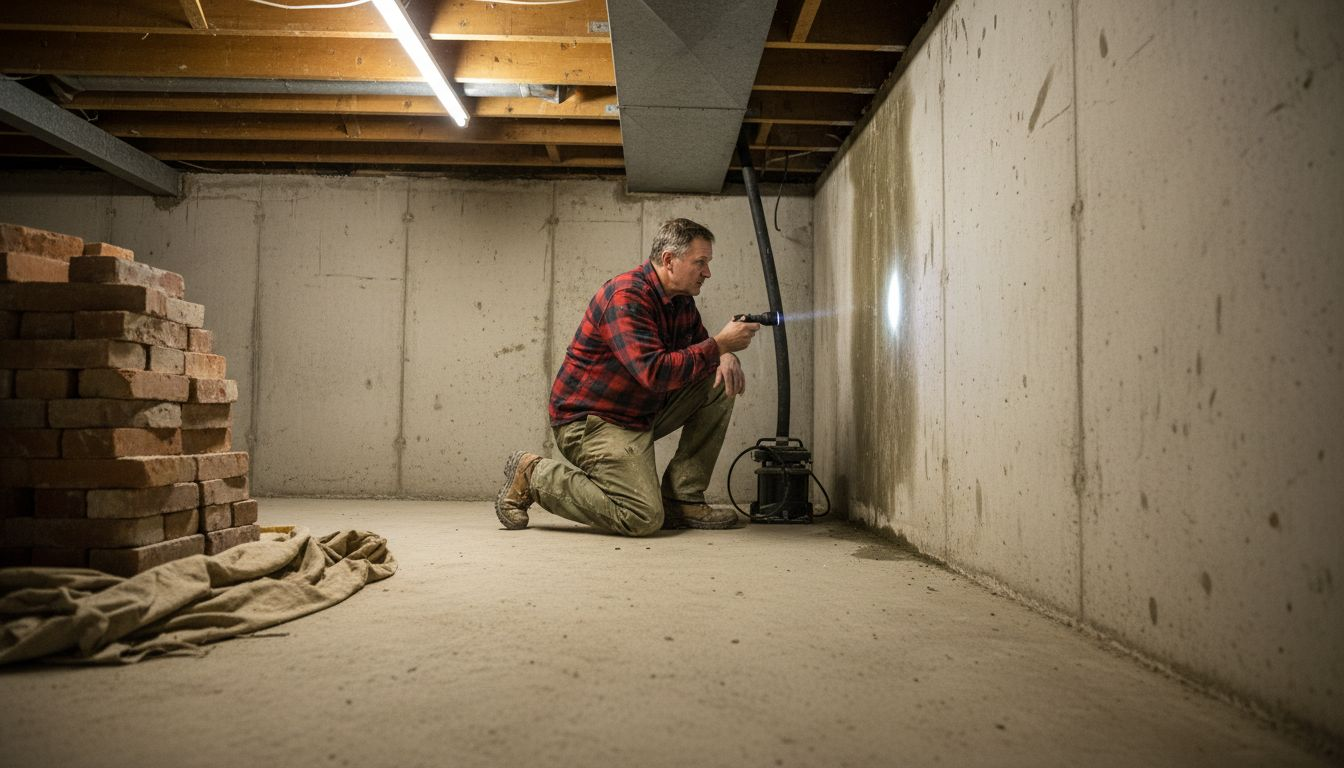
Basement leaks cause stress for thousands of Canadian homeowners in Toronto every year. Unchecked moisture can silently erode property value and even threaten your family’s health. With more than 60 percent of Toronto homes experiencing some form of water infiltration, putting off proper waterproofing can be a costly mistake. This guide explains how professional solutions designed for the unique demands of Canadian basements protect your investment and bring lasting peace of mind.
Table of Contents
- What Is Foundation and Basement Waterproofing
- Common Waterproofing Methods and Technologies
- Causes of Basement Leaks and Moisture Issues
- Toronto Regulations and Building Code Requirements
- Risks of Neglecting Waterproofing Repairs
- Costs, Rebates, and Choosing the Right Solution
Key Takeaways
| Point | Details |
|---|---|
| Importance of Waterproofing | Foundation and basement waterproofing is essential for protecting homes against water damage and structural compromise, especially in areas with significant climate variations like Toronto. |
| Common Waterproofing Methods | Key techniques include membrane systems, sealant applications, and drainage modifications, each tailored to address unique moisture challenges. |
| Regulatory Compliance | Homeowners must adhere to stringent building codes that specify requirements for drainage systems and waterproofing materials to ensure long-term protection. |
| Financial Implications | Neglecting waterproofing can lead to severe structural issues and financial loss, making proactive maintenance crucial for preserving property value. |
What Is Foundation and Basement Waterproofing
Foundation and basement waterproofing represents a critical defence mechanism for protecting Canadian homes against water damage, moisture intrusion, and potential structural compromise. This comprehensive process involves implementing specialized techniques and materials designed to prevent water from penetrating your home’s foundational walls and underground spaces.
At its core, foundation waterproofing involves applying protective barriers to below-grade walls that block water infiltration under hydrostatic pressure. Unlike basic dampproofing , which merely slows moisture passage, true waterproofing creates a robust shield against water accumulation and potential structural damage. Understanding the causes of basement flooding helps homeowners appreciate why this protective measure is so essential for Toronto properties.
The waterproofing process typically encompasses several key strategies:
- Exterior membrane application : Installing protective coatings directly on the foundation’s outer surface
- Drainage system enhancement : Implementing proper grading and downspout configurations
- Sealant treatments : Using specialized waterproof compounds to fill potential entry points
- Crack remediation : Identifying and professionally repairing existing foundation fissures
Professional waterproofing techniques differ significantly from basic home maintenance. Experts use advanced methods like positive-side waterproofing, which involves applying protective membranes to the exterior foundation face. This approach allows for direct water blockage and enables comprehensive inspection of potential vulnerability points. Proper application requires meticulous substrate preparation, precise temperature management, and expert vertical membrane installation techniques.
Pro tip: Conduct an annual foundation inspection during spring to identify potential water entry points before they become expensive repair projects.
Common Waterproofing Methods and Technologies
Waterproofing technologies for foundations and basements in Toronto have evolved significantly, offering homeowners multiple sophisticated strategies to protect their properties from water damage. These methods range from traditional techniques to cutting-edge solutions designed to address the unique challenges of Canadian climate and soil conditions.
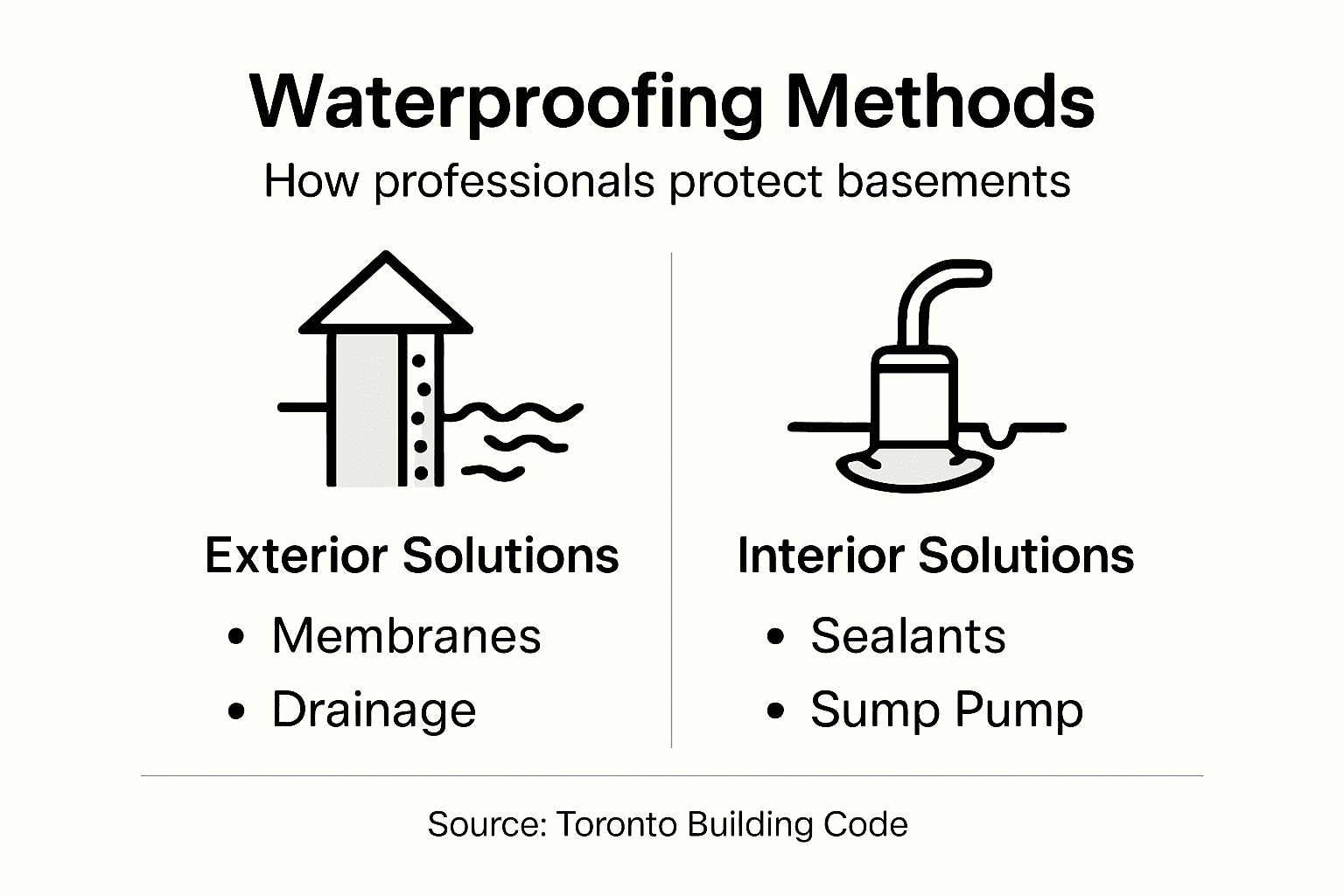
The primary waterproofing technologies include membrane systems , sealant applications , and drainage modifications . Why waterproofing your home is important becomes clear when understanding these comprehensive protective approaches. Membrane systems are particularly critical, involving several advanced techniques:
- Asphalt membranes : Providing flexible, durable water barriers
- Polymer-based coatings : Offering superior chemical resistance
- Rubberized membranes : Delivering exceptional elasticity and crack bridging capabilities
- Epoxy injection systems : Sealing existing foundation cracks
Professional waterproofing contractors employ precise application methods that go beyond simple surface treatments. These techniques involve meticulous surface preparation, precise environmental condition monitoring, and expert quality control. The process typically includes substrate cleaning, moisture assessment, material compatibility verification, and strategic membrane installation to create a comprehensive water-resistant barrier.
Modern waterproofing technologies also integrate intelligent drainage solutions. These systems go beyond traditional methods by incorporating advanced components like:
- Perforated drainage pipes
- Graded landscaping techniques
- Sump pump installations
- Exterior foundation drainage boards
Pro tip: Invest in a professional moisture assessment before selecting your waterproofing method to ensure you choose the most effective technique for your specific foundation condition.
Causes of Basement Leaks and Moisture Issues
Basement moisture problems are complex challenges that Toronto homeowners frequently encounter, stemming from a variety of interconnected environmental and structural factors. These issues can transform a dry, functional basement into a damp, potentially destructive space if left unaddressed, threatening both the structural integrity of your home and the health of its inhabitants.
Structural vulnerabilities represent the primary sources of basement moisture intrusion. Understanding the causes of basement flooding reveals multiple potential entry points for water. The most common structural causes include:
- Foundation cracks : Microscopic or visible fissures allowing water penetration
- Inadequate exterior grading : Sloping terrain directing water toward the foundation
- Compromised drainage systems : Blocked or inefficient gutters and downspouts
- Deteriorating waterproofing membranes : Aged protective barriers losing effectiveness
Environmental factors play an equally significant role in basement moisture challenges. Toronto’s unique climate characterized by significant seasonal variations creates multiple moisture introduction mechanisms. Groundwater movement, driven by gravity and hydrostatic pressure, can force water through seemingly solid concrete surfaces. Snowmelt during spring and heavy rainfall periods exponentially increase the potential for water infiltration, especially when combined with poor drainage infrastructure.
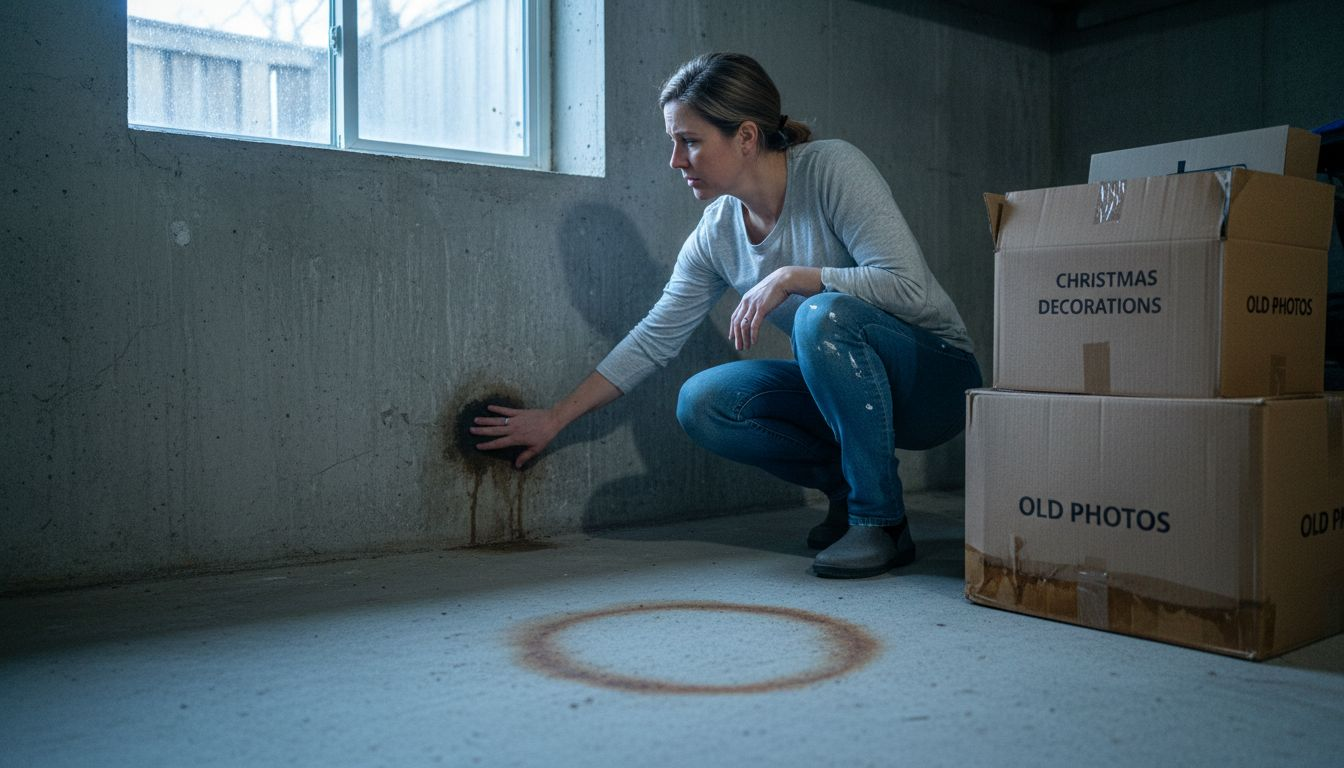
Moisture can enter basements through several sophisticated pathways beyond obvious leaks. Capillary action allows water to wick through porous concrete materials, while condensation creates internal moisture problems when temperature differentials exist. Air pressure differences between interior and exterior environments can also drive moisture migration, making basement waterproofing a nuanced challenge requiring comprehensive diagnostic approaches.
Pro tip: Conduct a detailed moisture assessment during seasonal transitions to identify potential water entry points before they develop into significant structural problems.
Toronto Regulations and Building Code Requirements
Foundation and basement waterproofing in Toronto are governed by stringent regulatory frameworks designed to protect homeowners and ensure structural safety. The Ontario Building Code establishes comprehensive guidelines that mandate specific technical standards for construction and moisture protection, with particular emphasis on below-grade structural integrity.
Understanding plumbing code basics reveals the critical nature of these regulations. The building permit process requires meticulous documentation and adherence to multiple regulatory layers, including:
- Provincial building standards
- Municipal zoning bylaws
- Technical performance requirements
- Environmental protection guidelines
The Ontario Building Code specifically addresses foundation waterproofing through detailed provisions that cover multiple aspects of construction. These regulations mandate precise requirements for:
- Drainage system design
- Moisture barrier installation
- Foundation material specifications
- Waterproofing membrane standards
- Minimum elevation requirements for structural protection
Regulatory compliance extends beyond initial construction, requiring ongoing maintenance and periodic inspections to ensure continued structural integrity. Homeowners must maintain documentation demonstrating adherence to these standards, which can be crucial during property sales, insurance assessments, and potential renovation projects. Toronto’s municipal authorities take a proactive approach to enforcing these regulations, with regular updates to building codes reflecting emerging technologies and environmental challenges.
For quick reference, here are common building code requirements for basement waterproofing in Toronto:
| Requirement Type | Example Standard | Why It Matters |
|---|---|---|
| Drainage Design | Mandatory perimeter drains | Redirects water away from foundation |
| Moisture Barrier | Code-specified membrane rating | Ensures lasting water protection |
| Elevation | Minimum foundation height | Prevents groundwater intrusion |
| Inspection | Scheduled compliance checks | Maintains long-term safety |
Pro tip: Consult a licensed professional who understands local building codes before undertaking any foundation waterproofing project to ensure full regulatory compliance.
Risks of Neglecting Waterproofing Repairs
Neglecting foundation and basement waterproofing represents a significant financial and structural risk for Toronto homeowners. What might initially appear to be a minor moisture issue can rapidly escalate into a catastrophic and expensive problem that compromises your home’s integrity, value, and your family’s health.
Planning a renovation? Why you should start with your plumbing highlights the importance of proactive maintenance. The most critical risks of waterproofing neglect include:
- Structural damage : Progressive concrete deterioration
- Mould proliferation : Health hazards and respiratory risks
- Foundation weakening : Potential long-term structural compromise
- Property value reduction : Significant financial depreciation
Water infiltration creates a cascading series of destructive consequences that extend far beyond surface-level damage. Continuous moisture exposure can compromise foundational materials, corrode reinforcement structures, and create an environment conducive to toxic mould growth. These issues often develop silently, with microscopic damage accumulating before becoming visibly apparent, making early detection and intervention crucial.
Beyond physical damage, neglected waterproofing problems carry substantial financial and legal implications. Homeowners may face dramatically increased repair costs, potential insurance claim complications, and reduced property marketability. Structural water damage can render portions of your home uninhabitable, necessitating expensive emergency interventions and potentially temporary relocation.
Pro tip: Schedule annual professional moisture assessments to catch potential waterproofing issues before they transform from minor repairs into major reconstruction projects.
Costs, Rebates, and Choosing the Right Solution
Foundation and basement waterproofing represent significant investments for Toronto homeowners, with costs varying widely depending on the extent of work required and selected remediation strategies. Understanding the financial landscape, including potential rebates and strategic solution selection, can help mitigate overall expenses and protect your property’s long-term value.
Here is a comparison of interior vs. exterior waterproofing approaches to help homeowners understand key differences:
| Factor | Interior Waterproofing | Exterior Waterproofing |
|---|---|---|
| Purpose | Controls moisture inside basement | Blocks water before it enters foundation |
| Typical Cost (per linear foot) | $50-$100 | $100-$250 |
| Invasiveness | Minimal, performed from inside | High, requires excavation outside |
| Longevity | Moderate, may need reapplication | High, durable long-term barrier |
| Best Used For | Minor leaks, finished basements | Persistent leaks, structural issues |
8 Essential Toronto Community Resources for Homeowners highlights the importance of local support networks. Waterproofing cost considerations typically range across several key categories:
- Interior waterproofing : $50-$100 per linear foot
- Exterior waterproofing : $100-$250 per linear foot
- Drainage system modifications : $75-$150 per linear foot
- Comprehensive foundation repair : $5,000-$25,000 total project cost
Financial assistance and rebate programs can significantly offset waterproofing expenses for Canadian homeowners. Provincial and municipal initiatives often provide tax credits, grants, and low-interest financing for home improvement projects that enhance structural integrity and energy efficiency. Homeowners should investigate programs through local government agencies, utility companies, and energy conservation organizations to identify potential funding opportunities.
Choosing the right waterproofing solution requires a comprehensive assessment of multiple factors. Professional evaluation considers soil composition, water table levels, existing foundation condition, and specific moisture challenges unique to your property. The most effective approach often combines multiple techniques, such as interior sealants, exterior membrane installation, and enhanced drainage systems to create a robust moisture protection strategy.
Pro tip: Request detailed, written estimates from multiple licensed contractors and compare not just total costs, but warranty coverage, materials used, and long-term protection strategies.
Protect Your Toronto Home with Expert Foundation and Basement Waterproofing
Water damage and moisture intrusion can threaten your home’s safety and your family’s health. If you are worried about foundation cracks, ineffective drainage, or persistent basement leaks as described in the article “Foundation and Basement Waterproofing in Toronto – Protecting Your Home,” you need a trusted solution that delivers real results. The risks of neglecting waterproofing repairs include structural damage and mould growth that may cost you tens of thousands to fix.
At DrainWorks Plumbing, we bring over 30 years of licensed and insured experience protecting Toronto homes from water damage. Our professional waterproofing services, combined with precise leak detection and drainage solutions, ensure your foundation stays strong and dry. Whether you need expert basement repairs, drain upgrades, or a thorough moisture assessment, our noncommissioned technicians provide clear pricing with no hidden fees.
Explore our comprehensive plumbing and waterproofing services to safeguard your home.
Don’t wait until minor moisture issues become expensive repairs. Protect your property now by contacting DrainWorks Plumbing for a professional foundation and basement waterproofing consultation. Visit DrainWorks Plumbing to schedule your assessment today and keep your Toronto home safe and dry.
Frequently Asked Questions
What is the difference between foundation waterproofing and dampproofing?
Foundation waterproofing creates a robust barrier against water infiltration, while dampproofing only slows moisture passage. Waterproofing is essential for preventing water accumulation and structural damage in basements.
What are common causes of basement leaks?
Common causes include foundation cracks, inadequate exterior grading, compromised drainage systems, and deteriorating waterproofing membranes that allow water to penetrate and cause moisture issues.
What are the most effective waterproofing methods for foundations?
Effective methods include the application of exterior membranes, drainage system enhancements, sealant treatments, and crack remediation. Modern techniques also involve advanced drainage solutions that help prevent water infiltration.
How can I assess if my home needs waterproofing?
Conduct a detailed moisture assessment, particularly during seasonal transitions, to identify potential water entry points. Look for signs of moisture, such as damp spots, mold growth, or foundation cracks, which may indicate the need for waterproofing solutions.
Recommended