
Frozen Kitchen Pipes: Protecting Toronto Homes
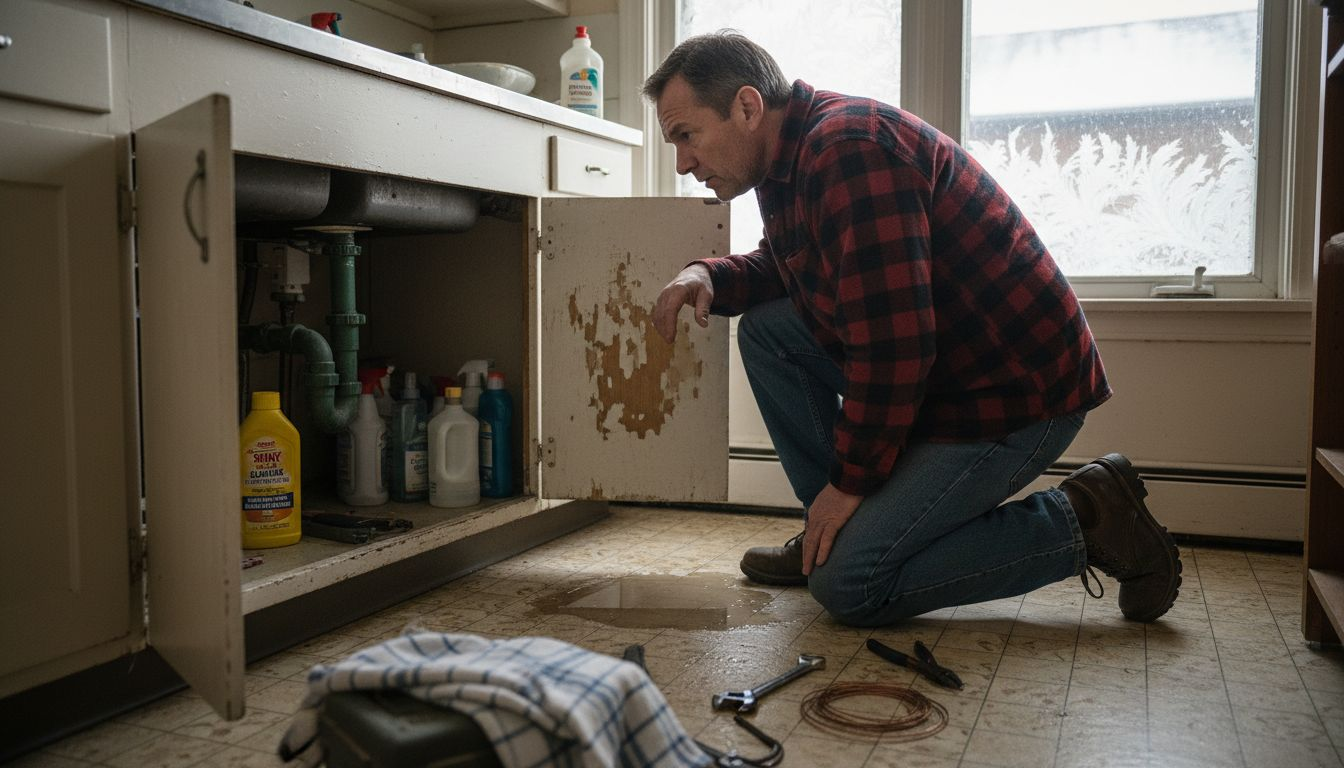
Most Toronto homeowners know the risk of frozen kitchen pipes is more than just a winter inconvenience. When the temperature drops to 20 degrees Fahrenheit or below , even well-built Canadian homes face serious plumbing challenges that could lead to costly water damage. Understanding what really causes pipes to freeze lets you focus on targeted solutions and proven prevention tips that keep your kitchen safe all season.
Table of Contents
- What Causes Kitchen Pipes To Freeze
- Most Vulnerable Pipe Locations In Toronto Homes
- Early Warning Signs And How To Check
- Risks Of Frozen And Burst Kitchen Pipes
- Effective Prevention Strategies For Homeowners
- What To Do If Your Kitchen Pipes Freeze
Key Takeaways
| Point | Details |
|---|---|
| Frozen pipes are a significant risk in Toronto’s winter. | Outdoor temperatures below -6°C increase the chances of freezing pipes, especially in uninsulated areas. |
| Identify vulnerable pipe locations. | Focus on pipes near exterior walls, windows, and in unheated spaces to reduce risks of freezing. |
| Take preventative measures. | Insulate exposed pipes and maintain interior temperatures to prevent freezing during extreme cold. |
| Act quickly if pipes freeze. | If you suspect frozen pipes, turn off the main water valve and apply gentle heat to thaw them. |
What causes kitchen pipes to freeze
Freezing kitchen pipes are a significant concern for Toronto homeowners during the cold winter months. When outdoor temperatures plummet to 20 degrees Fahrenheit or below , pipes become vulnerable to freezing, particularly those located in uninsulated or exposed areas of your home.
In Toronto’s harsh winter climate, several specific factors contribute to kitchen pipe freezing. Exterior wall placement is a primary risk factor, with pipes running along outside walls experiencing dramatic temperature fluctuations. Pipes situated in unheated spaces like crawl spaces, basements, attics, and garages are especially susceptible. The lack of proper insulation means these pipes are directly exposed to cold air, increasing the likelihood of freezing.
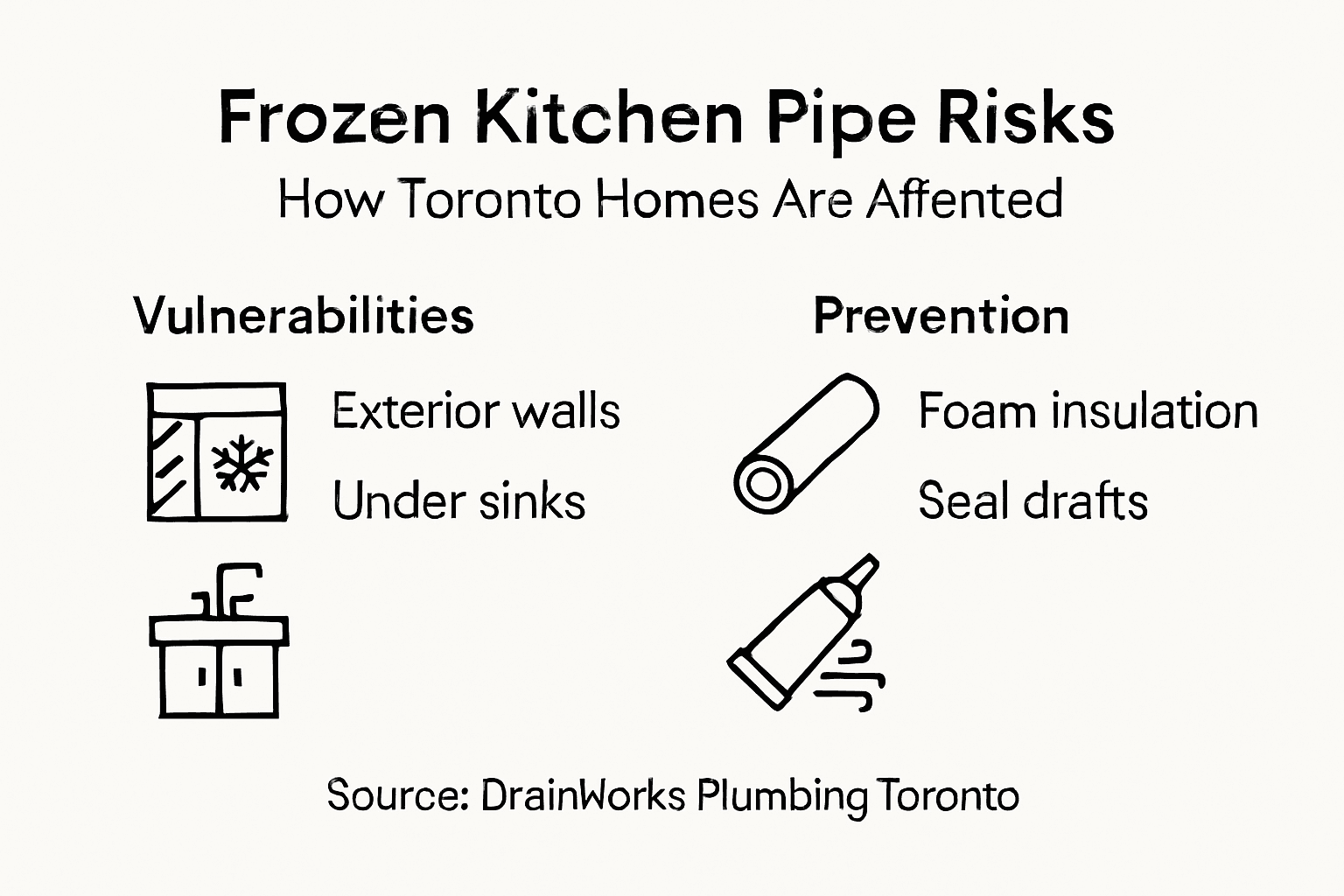
Specific kitchen pipe vulnerabilities include pipes near windows, under sinks adjacent to exterior walls, and plumbing lines running through unheated sections of your home. Cold air infiltration through small cracks or inadequate wall insulation can rapidly drop pipe temperatures. Prevent frozen pipes with our comprehensive guide on insulating pipes to protect your home’s plumbing infrastructure.
The most at-risk pipes are those with minimal protection from heat sources and direct exposure to cold drafts. Older homes with less sophisticated insulation are particularly prone to pipe freezing. Kitchen sink pipes, which often run along exterior walls or through unheated crawl spaces, represent a critical area of concern for Toronto homeowners.
Pro tip: Check your kitchen pipes for exposed sections and use foam pipe insulation or heat tape to provide an additional layer of protection against freezing temperatures.
Most vulnerable pipe locations in Toronto homes
In the challenging winter climate of Toronto, certain areas of your home are particularly susceptible to pipe freezing. Kitchen plumbing represents one of the most vulnerable pipe systems due to its complex layout and exposure to exterior walls and cold spaces.
The most critical locations for potential pipe freezing include areas with minimal insulation and direct exposure to cold temperatures. Winter plumbing maintenance requires strategic approaches to protect your home’s infrastructure. Specific high-risk zones in Toronto homes include:
- Pipes located in unheated basement areas
- Plumbing running through crawl spaces
- Kitchen sink pipes adjacent to exterior walls
- Pipes in uninsulated attics and garage spaces
- Plumbing near windows and exterior door frames
Older Toronto homes present unique challenges, with many built before modern insulation standards were established. Kitchen cabinets positioned against exterior walls often harbour hidden pipe sections that are especially vulnerable to freezing. The narrow spaces between walls and cabinets can create cold pockets where temperatures drop dramatically, increasing the risk of pipe damage.

Understanding these vulnerable locations allows homeowners to take proactive measures. Identifying and insulating these high-risk pipe sections can prevent costly water damage and emergency plumbing repairs during Toronto’s harsh winter months.
Here is a summary of common kitchen pipe vulnerabilities found in Toronto homes:
| Location Description | Why It Is Vulnerable | Typical Issue |
|---|---|---|
| Pipes near windows | Exposed to outside cold | Prone to rapid temperature drops |
| Under-sink exterior wall pipes | Located along uninsulated walls | High risk of freezing during cold snaps |
| Crawl space or garage pipes | Lack of interior heating | Susceptible to constant cold exposure |
| Cabinet-adjacent piping | Hidden, less inspected | Cold air pockets around pipework |
Pro tip: Conduct a thorough winter inspection of your kitchen’s plumbing, paying special attention to pipes near exterior walls and in unheated spaces, and consider adding foam pipe insulation to protect against freezing.
Early warning signs and how to check
Detecting frozen pipes early can save Toronto homeowners significant time and money. Reduced water flow is the most critical warning sign that indicates potential pipe freezing, particularly during extreme cold snaps when temperatures plummet below freezing.
Preventing frozen pipes requires vigilant monitoring of your home’s plumbing infrastructure. Key early warning signs include:
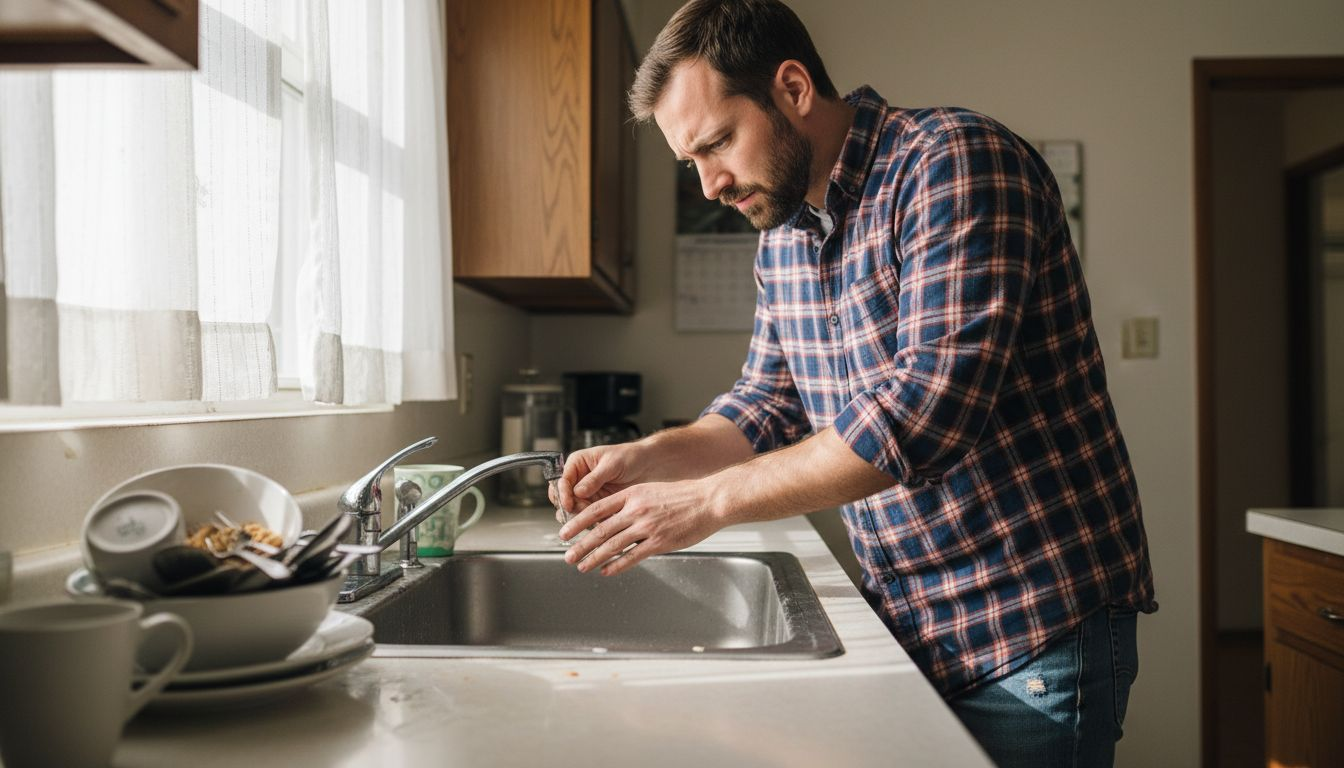
- Drastically reduced water pressure from faucets
- No water flow when turning on taps
- Visible frost or condensation on exposed pipes
- Strange noises like banging or clanging when water runs
- Unusual odours coming from drains or faucets
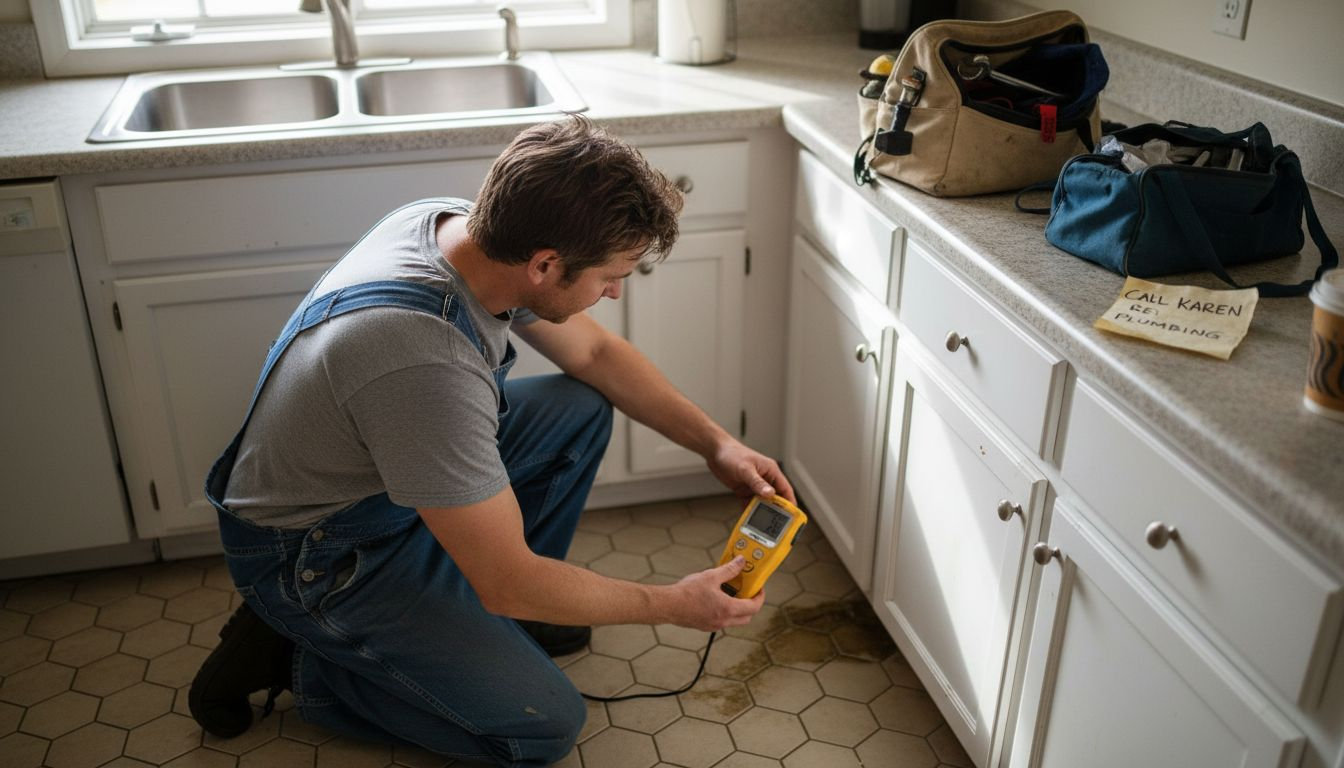
Homeowners should pay special attention to pipes in vulnerable areas like kitchen sink cabinets, basement corners, and spaces near exterior walls. Checking these locations involves a systematic approach. Inspect exposed pipes for visible frost or condensation, and test water pressure by turning on different faucets throughout your home. Listen for unusual sounds that might indicate developing ice blockages.
Temperature monitoring is crucial in preventing pipe damage. When outdoor temperatures drop significantly, increase your vigilance. Keep interior spaces warm, especially areas with plumbing near exterior walls. Opening kitchen cabinet doors can help circulate warm air around pipes, potentially preventing freezing.
Pro tip: Use an infrared thermometer to quickly scan pipe surfaces and identify potential cold spots before they become serious freezing risks.
Risks of frozen and burst kitchen pipes
Frozen kitchen pipes pose significant risks to Toronto homeowners, with potential consequences that extend far beyond a temporary inconvenience. Water expansion during freezing creates immense pressure inside pipes, which can lead to catastrophic structural damage to your home’s plumbing system.
Understanding the mechanics of pipe damage helps homeowners prevent costly repairs, particularly in Toronto’s harsh winter climate. When water freezes, it expands by approximately 9%, creating internal pressure that can exceed 2,000 pounds per square inch. This extraordinary force can cause pipes to:
- Crack along seams and joints
- Develop hairline fractures
- Completely rupture without warning
- Create hidden leaks inside walls
- Compromise structural integrity of plumbing systems
The aftermath of a burst pipe can be devastating. Water damage can quickly spread through kitchen walls, cabinets, and flooring, potentially leading to extensive structural damage, mould growth, and electrical hazards. A single burst pipe can result in thousands of dollars in repairs, with water quickly destroying kitchen cabinetry, electronic appliances, and valuable personal belongings.
Particularly in older Toronto homes with aging plumbing infrastructure, the risk of pipe bursts increases dramatically during temperature fluctuations. Kitchen pipes near exterior walls or in poorly insulated areas are especially vulnerable, with potential repair costs ranging from $500 to $5,000 depending on the extent of the damage.
Pro tip: Install water leak detection sensors near vulnerable kitchen pipe locations to receive immediate alerts and minimize potential water damage during winter months.
Effective prevention strategies for homeowners
Protecting kitchen pipes from freezing requires a proactive and comprehensive approach tailored to Toronto’s challenging winter conditions. Home temperature management stands as the first critical line of defence against potential pipe damage.
Preventing frozen pipes demands strategic home maintenance techniques, especially during extreme cold periods. Homeowners should implement these key prevention strategies:
- Maintain interior temperatures above 12°C, even when away
- Insulate exposed pipes with foam pipe wrapping
- Seal cracks and gaps near pipe locations
- Allow warm air circulation around kitchen plumbing
- Keep cabinet doors open during extreme cold
- Disconnect and drain outdoor water hoses
Specific attention to kitchen plumbing requires targeted interventions. Pipe insulation becomes crucial, particularly for pipes running near exterior walls or in unheated spaces. Closed-cell foam insulation provides an excellent barrier against cold, reducing heat loss and preventing potential freezing. For pipes in particularly vulnerable locations, electric heat tape with temperature sensors can offer an additional protective layer.
In older Toronto homes with complex plumbing infrastructures, comprehensive prevention involves more than surface-level protection. Homeowners should conduct thorough inspections of kitchen pipe routes, identifying potential cold spots and implementing strategic insulation techniques. This might involve adding extra insulation to wall cavities, ensuring proper sealing around pipe entry points, and maintaining consistent indoor temperatures.
The following table compares two main pipe protection strategies for homeowners:
| Approach | Main Benefit | Typical Applications |
|---|---|---|
| Foam insulation | Reduces heat loss effectively | Pipes near exterior walls or exposed areas |
| Electric heat tape | Maintains pipe temperature above freezing | High-risk or unheated spaces |
Pro tip: Create a winter plumbing checklist and conduct a comprehensive home pipe inspection before the first freeze to identify and address potential vulnerabilities.
What to do if your kitchen pipes freeze
Discovering frozen kitchen pipes can be stressful, but a calm and systematic approach can prevent significant damage to your Toronto home. Immediate action is crucial when confronting frozen pipes to minimise potential water damage and structural risks.
Understanding precise steps for addressing frozen pipes can save homeowners from costly repairs, especially during Toronto’s unpredictable winter months. When you suspect your kitchen pipes have frozen, follow these critical steps:
- Locate and shut off the main water valve
- Open affected faucets to relieve internal pressure
- Identify the frozen pipe section
- Apply gentle, consistent heat
- Check for potential leaks or damage
Gentle heating techniques are essential when thawing frozen pipes. Use a hair dryer, electric heating pad, or warm towels to gradually increase pipe temperature. Start at the faucet and work towards the frozen section, avoiding direct flame or high-heat sources that could damage pipes. Never use open flames, as they pose significant fire risks and can compromise pipe integrity.
If you cannot locate the frozen section, or if pipes appear damaged, professional intervention becomes necessary. Some warning signs include visible frost, minimal water flow, or unusual sounds when water runs. Persistent freezing might indicate deeper insulation or structural issues that require expert assessment from a licensed plumber.
Pro tip: Keep a small trickle of water running from kitchen faucets during extreme cold to prevent pipe freezing and maintain water movement.
Protect Your Toronto Home from Frozen Kitchen Pipes Today
Frozen kitchen pipes present a real threat to your home in Toronto’s cold winter months. With pipes near exterior walls and in unheated spaces at high risk of bursting and causing costly water damage, acting now is vital to protect your plumbing and peace of mind. Whether you need expert pipe insulation, leak repairs, or fast thawing services, professional help can stop these winter worries before they start.

Trust DrainWorks Plumbing — a licensed and insured team with over 30 years of experience in residential plumbing across Toronto. Our same day emergency plumbing services are ready between 8am and 7pm to help thaw frozen pipes safely and prevent urgent damage. Prevent costly repairs from burst pipes by taking advantage of our comprehensive prevention strategies, including pipe insulation and drip tap services. Visit DrainWorks Plumbing now to schedule an inspection or emergency service so you can keep your kitchen pipes safe and your home warm all winter long.
Frequently Asked Questions
What are the main causes of frozen kitchen pipes?
Frozen kitchen pipes are usually caused by exposure to extreme cold, particularly in uninsulated or exposed areas of the home, such as exterior walls, crawl spaces, and attics.
How can I prevent my kitchen pipes from freezing in winter?
To prevent freezing, maintain indoor temperatures above 12°C, insulate exposed pipes with foam, seal any cracks near pipe locations, and ensure that warm air circulates around kitchen plumbing.
What are the early warning signs of frozen kitchen pipes?
Early warning signs include drastically reduced water pressure, no water flow, visible frost on pipes, unusual noises when water runs, and strange odours from drains.
What should I do if I discover that my kitchen pipes are frozen?
If you suspect frozen pipes, first shut off the main water valve, open the affected faucets, identify the frozen section, and apply gentle heat using a hair dryer or warm towels. If pipes are damaged or the section is inaccessible, consider contacting a licensed plumber.
Recommended