
7 Plumbing Tips Every New Homeowner in Toronto Should Know
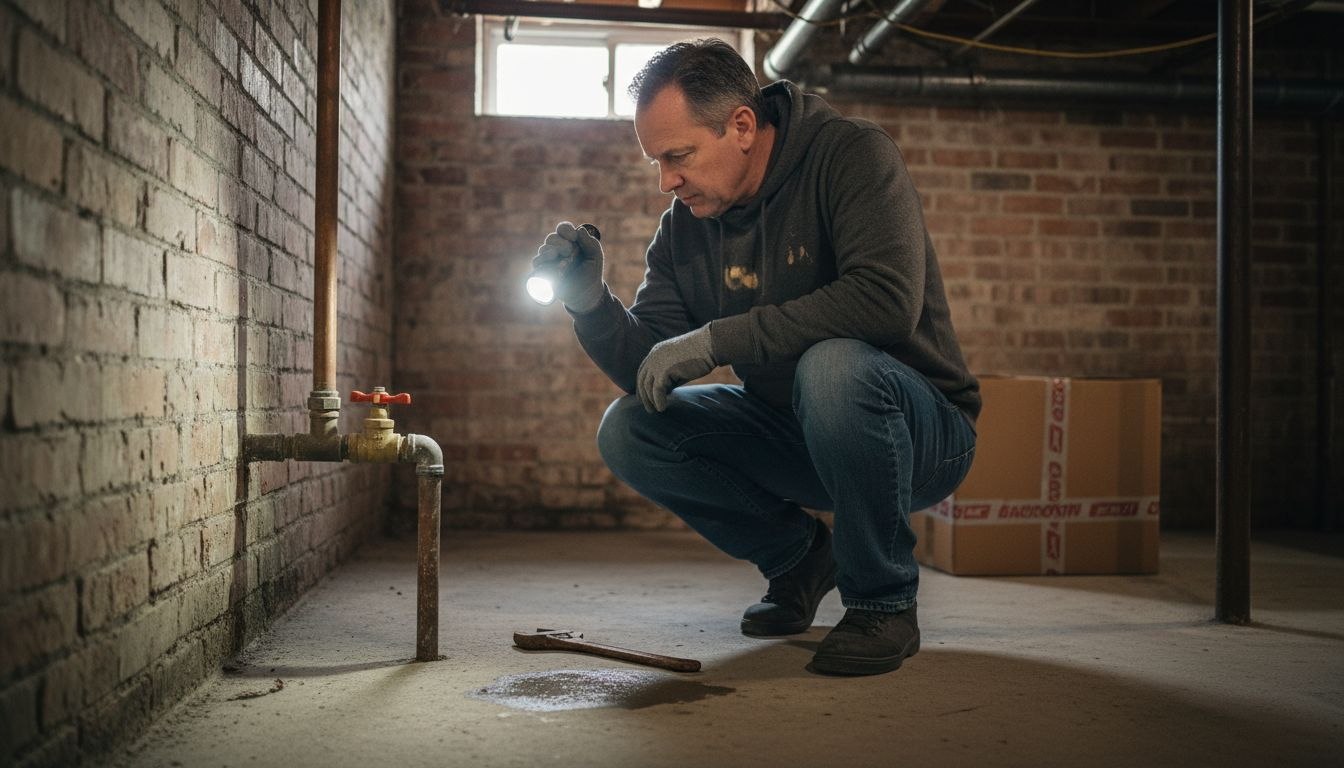
A single burst pipe can flood a Canadian home with hundreds of litres of water in just one hour, leaving behind massive repair bills and stress. For many first-time homeowners in Greater Toronto, understanding the basics of home plumbing feels overwhelming but is vital. With the right knowledge, you can protect your investment, prevent household headaches, and keep your water usage efficient year-round.
Table of Contents
- 1. Know Your Main Water Shut-Off Location
- 2. Test Faucets and Fixtures for Leaks Regularly
- Common Areas to Check for Leaks
- Early Detection Methods
- 3. Avoid Using Chemical Drain Cleaners
- Risks of Chemical Drain Cleaners
- Safer Alternatives for Drain Maintenance
- 4. Monitor Water Pressure for Signs of Plumbing Issues
- Warning Signs of Water Pressure Problems
- How to Check Water Pressure
- 5. Install Backwater Valve for Basement Flood Protection
- How Backwater Valves Work
- Types of Backwater Valves
- Potential Benefits
- 6. Understand Rules for Outdoor Hose Bib Winterization
- Key Winterization Steps
- Common Winterization Mistakes
- Potential Risks of Improper Winterization
- 7. Schedule Annual Professional Plumbing Inspections
- Key Areas Covered in Professional Inspections
- Benefits of Annual Professional Inspections
- Recommended Inspection Frequency
Quick Overview
| Key Insight | Clarification |
|---|---|
| 1. Locate Your Main Water Shut-Off Valve | Knowing the location allows you to quickly stop water flow during emergencies, potentially saving significant damage and costs. |
| 2. Regularly Test for Water Leaks | Conduct visual inspections and monitor water bills to catch leaks early, preventing waste and costly repairs. |
| 3. Avoid Chemical Drain Cleaners | They can damage pipes and pose health risks; use mechanical methods or safer alternatives for clogs instead. |
| 4. Monitor Water Pressure Consistently | Maintaining the right pressure prevents plumbing issues; invest in a gauge to check levels regularly. |
| 5. Schedule Annual Plumbing Inspections | Regular professional assessments help identify problems early, extending the life of your plumbing system and reducing emergency repairs. |
1. Know Your Main Water Shut-Off Location
Every new homeowner in Toronto needs to know exactly where their main water shut-off valve is located before an emergency strikes. This crucial valve controls the entire water supply entering your home and can prevent significant water damage during unexpected plumbing incidents.
Typically, the main water shut-off valve is located in areas like your basement, garage, crawl space, or near the water heater. In some homes, it might be located outside near the foundation. How to Shut Off Water: A Complete Step-by-Step Guide provides a comprehensive overview of identifying and using this critical valve.
Knowing your valve’s location is more than just good practice it can save you thousands of dollars in potential water damage. A burst pipe can release hundreds of litres of water per hour, causing extensive structural damage to your home. By locating and understanding how to operate your main shut-off valve, you can quickly stop water flow and minimise potential destruction.
To find your valve, start by checking common areas like the basement or utility room. Look for a round or lever-style valve where the main water line enters your home. If you cannot locate it, consult your home inspection report or contact the previous homeowner for guidance.
Pro Tips for New Homeowners:
- Take photos of the valve location for future reference
- Ensure all family members know how to shut off the water
- Test the valve periodically to confirm it operates smoothly
Pro tip: Keep a wrench or shut-off tool near the valve for quick emergency access.
2. Test Faucets and Fixtures for Leaks Regularly
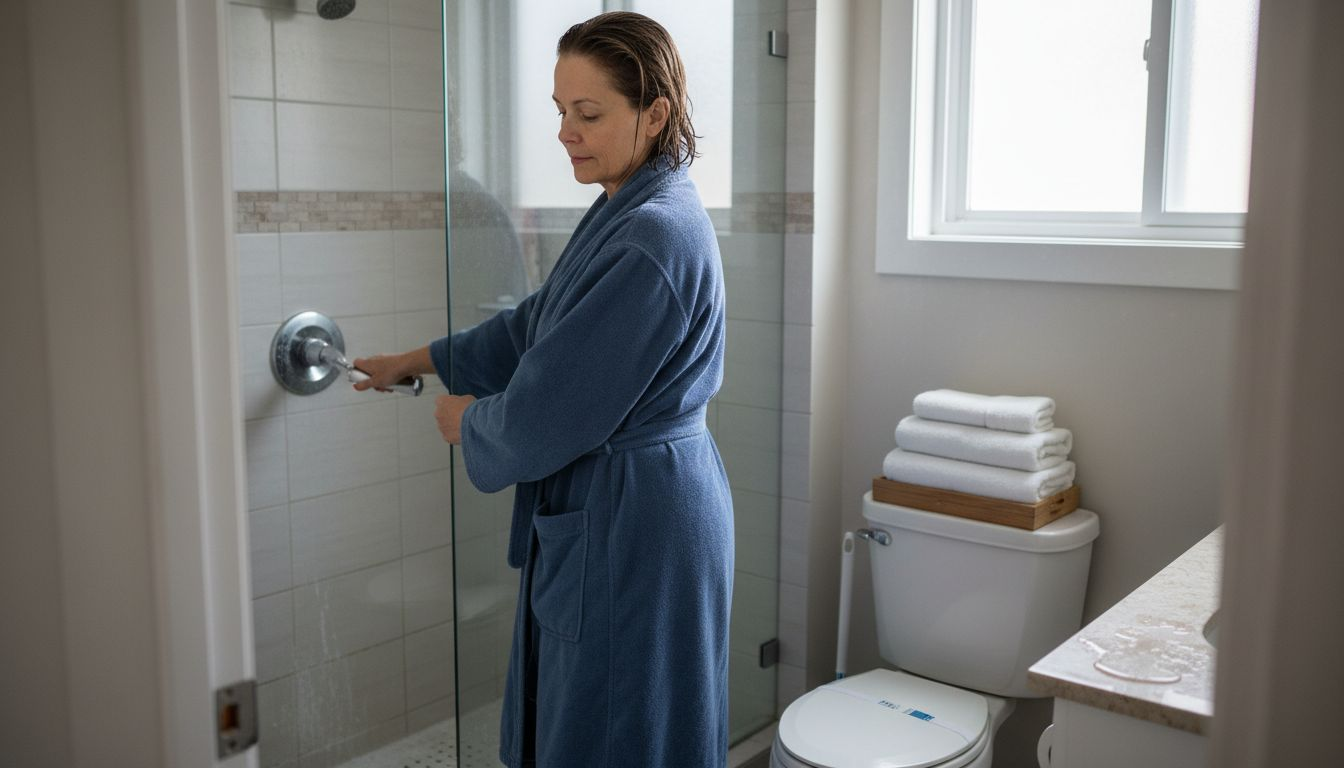
Undetected water leaks can silently waste hundreds of litres of water and potentially cause significant damage to your Toronto home. Regularly testing your faucets and fixtures is a critical maintenance task that can save you money and prevent costly water damage.
Leaks often start small and go unnoticed, but they can quickly escalate into major plumbing issues. A single dripping faucet can waste up to 750 litres of water per month, which not only increases your water bill but also puts unnecessary strain on your home’s plumbing system. How to Find Leaks in Your Home: A Step-by-Step Guide provides comprehensive insights into detecting these hidden water wasters.
Common Areas to Check for Leaks:
- Kitchen and bathroom sink faucets
- Showerheads
- Toilet base and tank
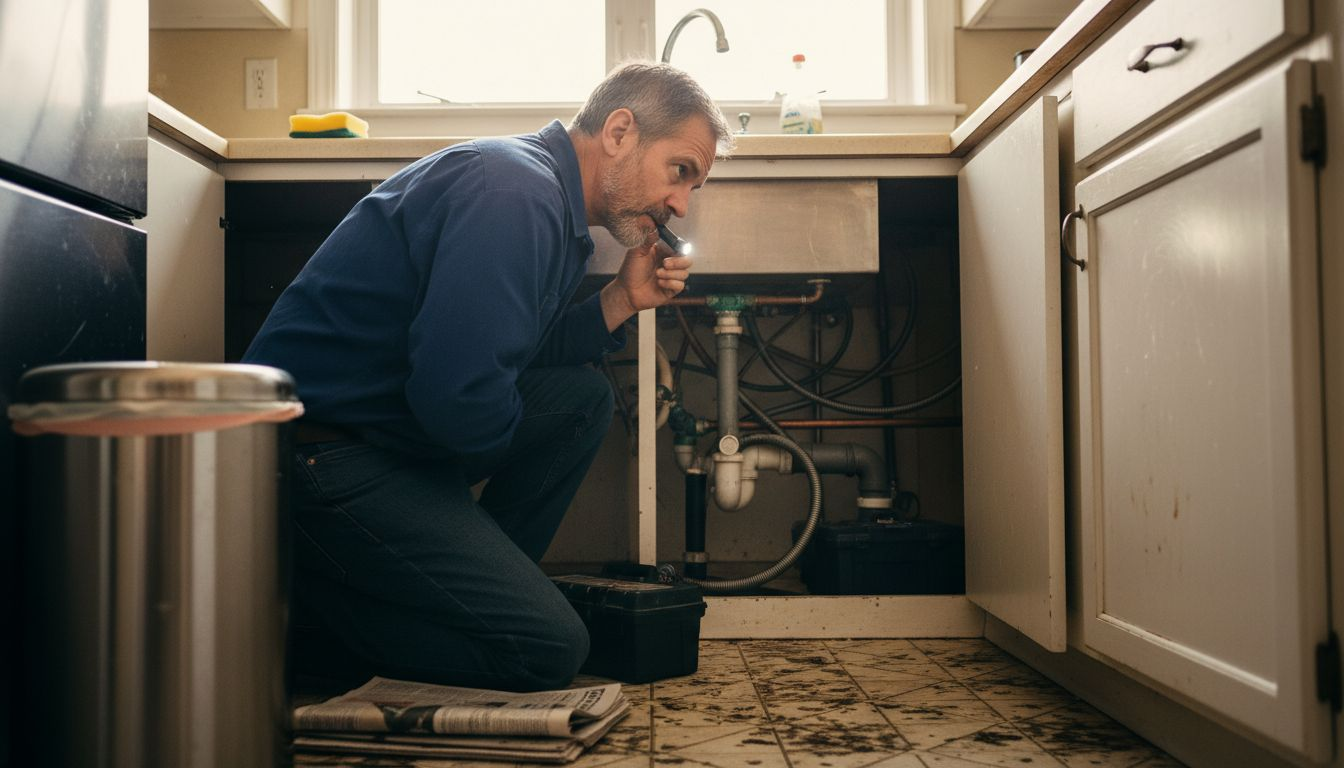
- Under-sink connections
- Around washing machine hoses
To test for leaks, start with a simple visual inspection. Look for water stains, puddles, or signs of moisture around fixtures and pipes. For toilets, drop food colouring into the tank and wait 15 minutes without flushing. If colour appears in the bowl, you have a leak in the toilet flapper.
Early Detection Methods:
- Check your water metre when no water is being used
- Monitor your monthly water bill for unexpected increases
- Listen for running water when all taps are off
- Inspect exposed pipes during seasonal home maintenance
Pro tip: Conduct a thorough leak check every three months and immediately address any signs of water leakage to prevent potential water damage.
3. Avoid Using Chemical Drain Cleaners
Chemical drain cleaners might seem like a quick fix for clogged pipes, but they pose significant risks to your home’s plumbing system and your personal health. These harsh chemicals can cause more damage than they solve, creating long-term problems that are expensive to repair.
Most chemical drain cleaners contain powerful acids or alkalis designed to dissolve blockages. However, these substances do not just attack the clog they also eat away at your pipes, potentially causing irreparable damage. How to Fix A Leaky Faucet provides alternative methods for addressing plumbing issues safely.
Risks of Chemical Drain Cleaners:
- Corrosive damage to metal and plastic pipes
- Potential toxic fume generation
- Risk of skin burns and respiratory irritation
- Environmental contamination
- Ineffective long-term clog removal
Safer Alternatives for Drain Maintenance:
- Use a plunger for minor blockages
- Try a drain snake or auger for more stubborn clogs
- Create a natural cleaner with baking soda and vinegar
- Use hot water and mechanical methods
- Contact a professional plumber for complex blockages
Professional plumbers recommend mechanical methods and enzymatic cleaners as safer alternatives. These approaches effectively clear drains without the potential for pipe damage or health hazards associated with chemical solutions.
Pro tip: Invest in a quality plumbing snake and learn basic drain maintenance techniques to prevent clogs before they become serious problems.
4. Monitor Water Pressure for Signs of Plumbing Issues
Understanding and monitoring your home’s water pressure is crucial for preventing potential plumbing disasters. Most Toronto homes should maintain water pressure between 40 and 60 pounds per square inch (psi), with any significant deviation potentially signalling underlying plumbing problems.
Understanding Household Water Pressure and Its Importance highlights the critical role water pressure plays in maintaining a healthy plumbing system. Abnormal pressure can indicate serious issues like pipe leaks, blockages, or equipment failures that might require immediate professional attention.
Warning Signs of Water Pressure Problems:
- Inconsistent water flow from faucets
- Sudden drops or spikes in water pressure
- Loud banging sounds in pipes
- Frequent appliance breakdowns
- Visible pipe damage or corrosion
How to Check Water Pressure:
- Purchase a water pressure gauge from a local hardware store
- Attach the gauge to an outdoor hose bib
- Turn on the water and read the pressure
- Test multiple times to ensure accuracy
- Compare results to the recommended 40-60 psi range
If your home consistently experiences pressure outside the normal range, it might indicate more significant plumbing system issues. High pressure can damage pipes and appliances, while low pressure might suggest hidden leaks or mineral buildup.
Pro tip: Consider installing a pressure regulator if your home experiences chronic water pressure problems to protect your plumbing infrastructure and prevent potential costly repairs.
5. Install Backwater Valve for Basement Flood Protection
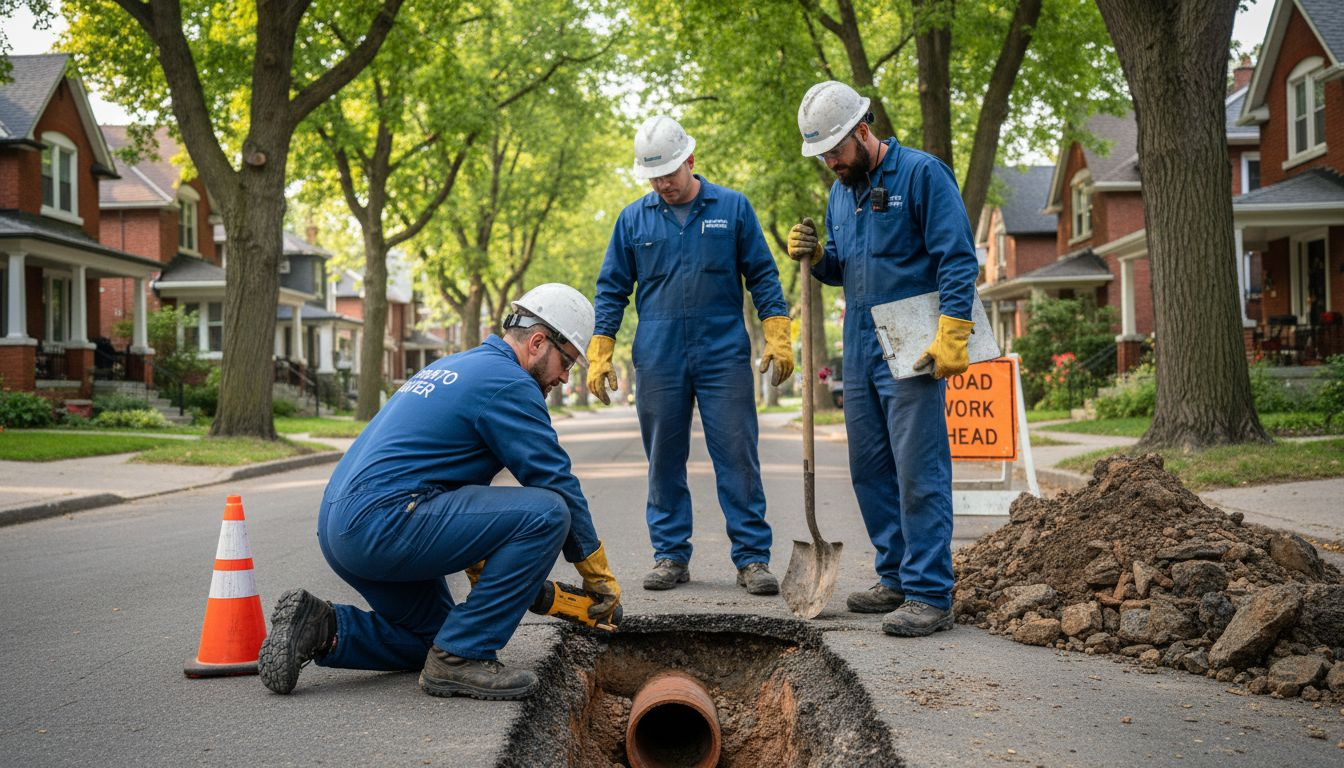
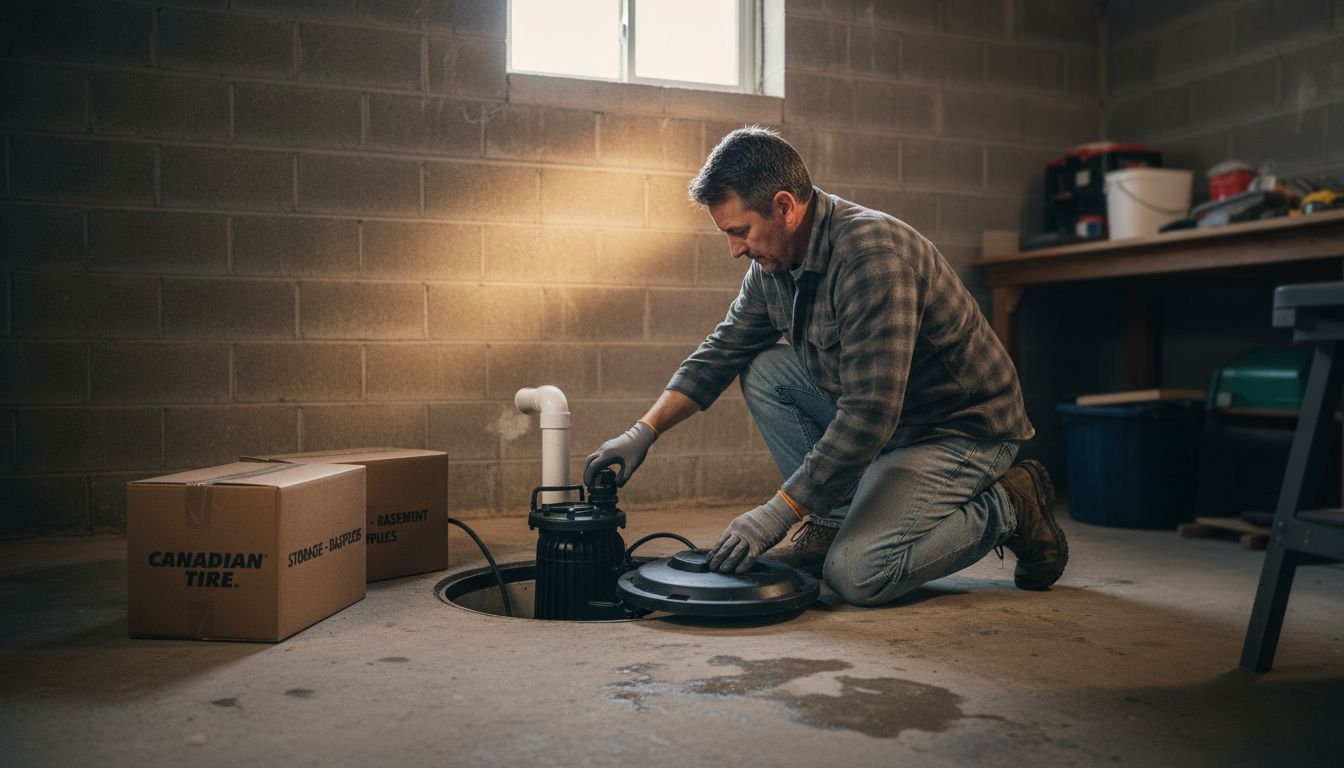
Basement flooding is a significant risk for Toronto homeowners, particularly during heavy rainfall or municipal sewer system overloads. Installing a backwater valve is one of the most effective ways to protect your home from potentially devastating sewage backup and water damage.
What is a Backwater Valve? Understanding Its Importance explains how this critical device prevents sewage from flowing backwards into your home when municipal sewer systems become overwhelmed. The valve automatically closes when water attempts to flow in the wrong direction, creating an essential barrier against basement floods.
How Backwater Valves Work:
- Prevents sewage backflow during heavy rainfall
- Automatically closes when water pressure reverses
- Protects basement from contaminated water intrusion
- Reduces risk of extensive water damage
- Complies with many municipal building codes
Types of Backwater Valves:
- Horizontal installation valves
- Vertical installation valves
- Combination style valves
For Toronto homeowners, professional installation is crucial. Proper placement and correct sizing ensure maximum protection. Some municipalities even offer subsidies or rebates for installing backwater valves, making this investment both financially and practically smart.
Potential Benefits:
- Prevents costly water damage repairs
- Protects home infrastructure
- Reduces insurance claim risks
- Provides peace of mind during storm seasons
Pro tip: Combine your backwater valve installation with periodic sewer line inspections to ensure comprehensive basement flood protection.
6. Understand Rules for Outdoor Hose Bib Winterization
Canadian winters can wreak havoc on outdoor plumbing, making proper hose bib winterization a critical task for Toronto homeowners. Failing to prepare your exterior water connections can lead to expensive pipe bursts and significant property damage.
Winterization involves protecting your outdoor water connections from freezing temperatures that can cause pipes to crack and split. Understanding Causes of Basement Flooding highlights how water damage from burst pipes can create substantial home repair challenges.
Key Winterization Steps:
- Disconnect and drain all garden hoses
- Close interior shut-off valves for exterior water lines
- Install foam covers on exterior hose bibs
- Drain remaining water from pipes and connections
- Insulate any exposed exterior plumbing
Common Winterization Mistakes:
- Leaving hoses connected during freezing temperatures
- Forgetting to drain water from exterior pipes
- Neglecting to use insulation covers
- Ignoring potential wind exposure areas
Professional plumbers recommend performing winterization tasks before the first sustained freeze. This typically means completing your outdoor plumbing protection routine in early autumn when temperatures start dropping consistently below 5 degrees Celsius.
Potential Risks of Improper Winterization:
- Pipe ruptures and splitting
- Water damage to home infrastructure
- Costly emergency plumbing repairs
- Loss of exterior water access during winter
Pro tip: Purchase foam hose bib covers and insulation materials before the first frost to ensure you are prepared for sudden temperature drops.
7. Schedule Annual Professional Plumbing Inspections
Maintaining a healthy home plumbing system requires more than just addressing problems as they arise. Annual professional plumbing inspections are a proactive approach to identifying potential issues before they become expensive and disruptive emergencies.
Summer’s End Plumbing Checklist: Keep Your Plumbing in Top Shape emphasizes the importance of regular system assessments. Professional inspections can detect subtle signs of wear, potential leak points, and emerging structural vulnerabilities that untrained eyes might miss.
Key Areas Covered in Professional Inspections:
- Water pressure assessment
- Pipe condition evaluation
- Leak detection
- Corrosion and rust analysis
- Fixture functionality check
- Drainage system performance
Benefits of Annual Professional Inspections:
- Early problem detection
- Prevent costly emergency repairs
- Extend plumbing system lifespan
- Maintain optimal water efficiency
- Ensure home safety and compliance
- Potential insurance premium reductions
For Toronto homeowners, scheduling inspections before extreme seasonal changes can help identify vulnerabilities that might compromise your home’s plumbing infrastructure. Most licensed plumbers recommend conducting these comprehensive assessments once per year, ideally during transitional seasons.
Recommended Inspection Frequency:
- Annual comprehensive inspection
- Additional checks after major weather events
- Immediate assessment if you notice unusual symptoms
Pro tip: Maintain a detailed log of your annual plumbing inspections to track your home’s maintenance history and identify recurring patterns.
Below is a comprehensive table summarizing the main points and recommendations from the provided article regarding essential tips for Toronto homeowners to maintain their home plumbing systems effectively.
| Key Topic | Details | Pro Tips and Advantages |
|---|---|---|
| Locate the Main Water Shut-Off Valve | Identify the valve to stop water flow during emergencies, typically found in basements or utility areas. | Ensure all residents know the location and operation of the valve; keep a wrench nearby for quick access. |
| Regularly Inspect for Leaks | Check faucets, showerheads, and visible pipes for drips and moisture to prevent wasted water and damage. | Perform thorough inspections every three months; utilise water metres and colour tests for hidden leaks. |
| Avoid Chemical Drain Cleaners | Strong chemicals can damage pipes and produce toxic by-products. | Use plungers, natural cleaning solutions, or contact professionals for safe clog removal. |
| Monitor Water Pressure | Ensure water pressure remains between 40-60 psi to avoid pipe strain or system failure. | Use a pressure regulator, and periodically test with a gauge to maintain optimal flow levels. |
| Install Backwater Valves | Prevent sewage backflow during heavy rains by installing these essential devices. | Check for available municipal rebates and combine with sewer inspections for full protection. |
| Winterise Outdoor Plumbing | Prepare outdoor pipes and hose bibs for freezing temperatures by draining and covering them. | Start early in the season to prevent pipe bursts and water damage. |
| Schedule Annual Plumbing Inspections | Have professionals assess your system for issues like leaks, corrosion, and pressure irregularities. | Maintain a log of inspections for reference and budget prevention costs over emergencies. |
Protect Your New Toronto Home with Trusted Plumbing Experts
Starting fresh in a new home comes with many challenges, especially when it comes to plumbing. From knowing your main water shut-off valve location to preventing basement flooding with backwater valves, each tip in this article highlights crucial steps to safeguard your investment and avoid costly water damage. It is normal to feel overwhelmed by maintaining all these plumbing details, but you do not have to face these challenges alone.
At DrainWorks Plumbing, we understand the unique needs of Toronto homeowners. With over 30 years of experience, we offer reliable services such as backwater valve installation, leak detection, and outdoor hose bib winterization to protect your home year-round. Don’t wait for a plumbing emergency to strike. Take action now to secure your home’s plumbing system with professional care that brings peace of mind. Explore how we can help at DrainWorks Plumbing and discover our expert solutions for leaks and fixture repairs along with basement flood protection. Your new home deserves the best start—contact us today for thoughtful, upfront pricing and expert service.
Frequently Asked Questions
What should I do first to locate my main water shut-off valve?
To locate your main water shut-off valve, start by checking common areas like your basement, garage, or near the water heater. Look for a round or lever-style valve where the main water line enters your home.
How can I regularly test for leaks in my home’s plumbing?
Regularly test for leaks by visually inspecting your faucets, showerheads, and under-sink connections. Conduct this check every three months and look for water stains or signs of moisture to catch problems early.
Why should I avoid using chemical drain cleaners?
Avoid using chemical drain cleaners because they can damage your pipes and pose health risks. Instead, try using a plunger or a drain snake for minor blockages, which are safer alternatives for your plumbing system.
How do I check my home’s water pressure?
Check your home’s water pressure by attaching a pressure gauge to an outdoor hose bib and turning on the water. Ensure the reading falls within the recommended range of 40 to 60 pounds per square inch (psi).
What steps should I take to winterize my outdoor hose bib?
To winterize your outdoor hose bib, disconnect and drain all garden hoses, close the interior shut-off valves, and install foam covers on the bibs. Complete these tasks before the first sustained freeze to prevent pipe damage.
Why are annual professional plumbing inspections important for homeowners?
Annual professional plumbing inspections help identify potential issues before they escalate into costly repairs. Schedule these inspections yearly to maintain your plumbing system’s health and extend its lifespan.
Recommended