
7 Practical Household Energy Saving Tips for Homeowners

Managing rising energy bills and water costs feels overwhelming in many Canadian households. Whether you own your home or rent, wasted water and inefficient systems end up draining your budget month after month. The good news is there are straightforward steps you can take today to cut waste and protect your home’s plumbing while supporting Canada’s environmental goals. You’ll discover practical methods backed by research, like simple fixes and upgrades that lower your expenses and reduce your environmental impact. Keep reading to find out which proven strategies make a real difference and how you can start seeing savings without major renovations.
Table of Contents
- Fix Dripping Taps to Prevent Water and Energy Waste
- Insulate Pipes to Keep Hot Water Hotter Longer
- Upgrade to Low-Flow Fixtures for Water and Energy Savings
- Use Cold Water for Laundry to Cut Heating Costs
- Install Aerators on Faucets to Reduce Water Use
- Schedule Regular Leak Checks for Maximum Efficiency
- Optimize Shower Time to Conserve Energy and Water
Quick Overview
| Key Insight | Explanation |
|---|---|
| 1. Fix Dripping Taps Promptly | Addressing leaks prevents water waste and reduces utility bills efficiently. |
| 2. Insulate Pipes for Energy Savings | Proper pipe insulation minimises heat loss, thereby lowering energy costs in winter. |
| 3. Upgrade to Low-Flow Fixtures | Installing low-flow fixtures conserves water and cuts down on energy used for heating. |
| 4. Use Cold Water for Laundry | Washing with cold water significantly reduces energy consumption and lowers costs. |
| 5. Optimize Shower Time | Limiting shower duration cuts down water usage and heating expenses effectively. |
1. Fix Dripping Taps to Prevent Water and Energy Waste
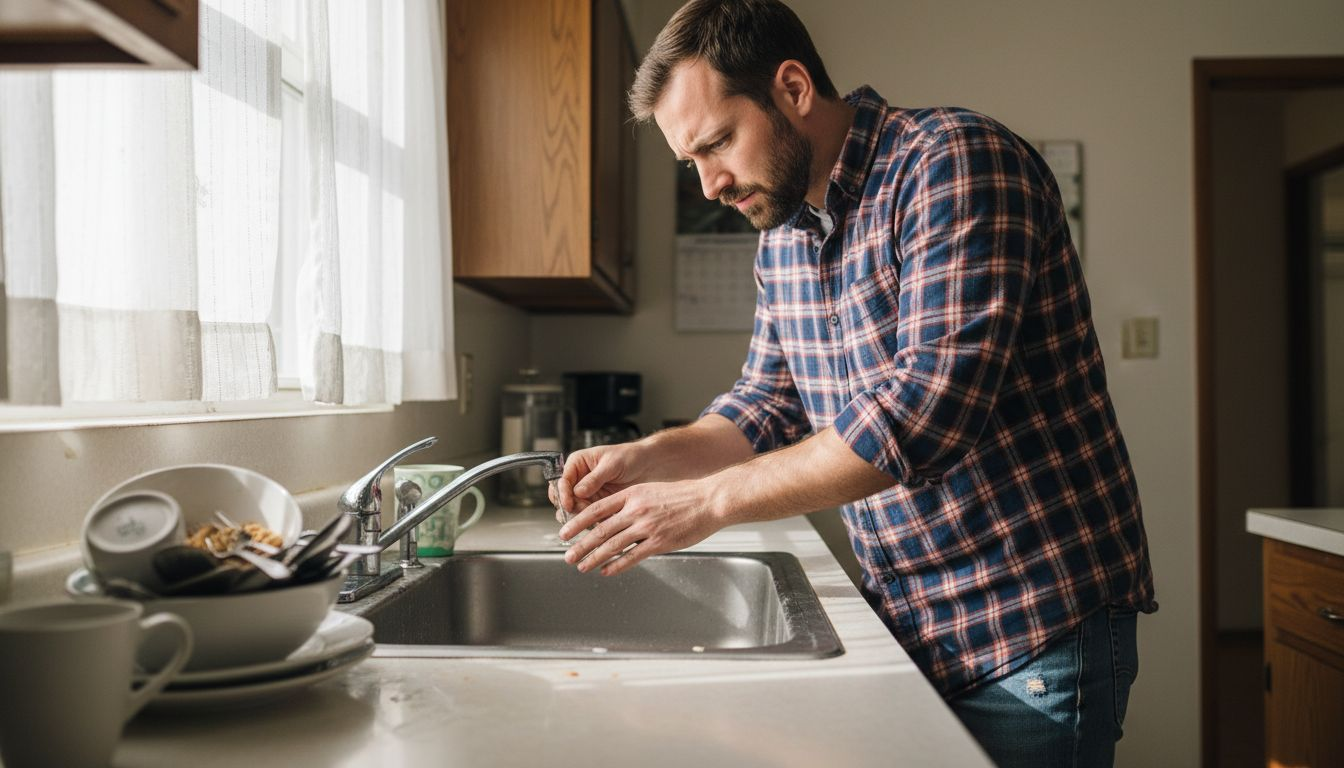
A single dripping tap might seem insignificant, but it can waste an astonishing amount of water and energy over time. Left unchecked, these small leaks can lead to substantial utility bills and unnecessary environmental strain.
When a tap consistently drips, it represents more than just an annoying sound - it signifies water and energy resource loss . Each drop adds up quickly:
- A tap dripping once per second can waste over 15,000 litres of water annually
- This water waste translates directly into increased utility expenses
- Continuous dripping places unnecessary stress on your home’s plumbing system
A dripping tap is like a tiny financial leak in your household budget.
Repairing a leaky tap involves identifying the source of the problem. Most tap leaks occur due to worn washers, damaged valve seats, or corroded components. Homeowners can often address minor leaks by:
- Turning off the water supply
- Disassembling the tap
- Replacing damaged washers or seals
- Reassembling and testing the tap
For those uncomfortable with DIY repairs, professional plumbers can quickly diagnose and resolve tap issues. Fixing a leaky tap not only saves water but also prevents potential long-term plumbing damage.
Pro tip: Check your taps monthly for subtle leaks and address them immediately to prevent escalating water waste and potential repair costs.
2. Insulate Pipes to Keep Hot Water Hotter Longer
Canadian homeowners know the importance of conserving energy especially during chilly winters. Pipe insulation is a simple yet powerful strategy to reduce energy waste and maintain hot water temperatures throughout your home.
When hot water travels through uninsulated pipes, significant heat is lost before reaching your faucets. The energy lost represents unnecessary utility expenses and wasted resources . Research from the U.S. Department of Energy reveals that proper pipe insulation can:
- Reduce standby heat losses by 25% to 45%
- Raise water temperature delivered by 2°F to 4°F
- Decrease wait time for hot water
- Prevent potential pipe freezing in cold weather
Pipe insulation is like a thermal jacket for your home’s water system.
Implementing pipe insulation requires minimal technical skill. Follow these steps to protect your pipes and improve energy efficiency:
- Identify pipes near your water heater
- Purchase foam pipe insulation from local hardware stores
- Measure and cut insulation to fit pipe lengths
- Secure insulation with tape or zip ties
- Focus on first 6 feet of pipes from the water heater
Choosing the right insulation material matters. Water conservation methods can complement your pipe insulation efforts for comprehensive home efficiency.
Pro tip: Consider using pre-slit foam pipe sleeves for easier installation and ensure complete coverage to maximise energy savings.
3. Upgrade to Low-Flow Fixtures for Water and Energy Savings
Modern Canadian homeowners are increasingly aware that small plumbing upgrades can lead to significant energy and water conservation. Low-flow fixtures represent a smart investment in both environmental sustainability and household efficiency.
Statistics reveal a growing trend towards water-saving technologies across Canada. Between 1994 and 2006, homeowners significantly increased their adoption of water-efficient plumbing fixtures . These upgrades offer multiple benefits:
- Reduce overall household water consumption
- Lower monthly utility bills
- Decrease energy required to heat water
- Minimise environmental impact
- Comply with regional water conservation regulations
Low-flow fixtures are like financial guardians for your household budget.
Upgrading to low-flow fixtures involves selecting the right products for different areas of your home:
- Replace older showerheads with 6-7 litre per minute models
- Install low-flow toilets using 4.8 litres or less per flush
- Choose aerator-equipped faucets for kitchen and bathroom sinks
- Consider automatic sensor fixtures for additional efficiency
Water conservation tips can provide additional guidance on selecting and implementing these upgrades effectively.
Pro tip: Check local utility rebate programmes that might offer financial incentives for installing water-efficient fixtures.
4. Use Cold Water for Laundry to Cut Heating Costs
One of the simplest yet most effective ways to reduce household energy consumption is switching to cold water laundry cycles. Canadian homeowners can significantly lower their utility bills and environmental impact with this straightforward strategy.
Research from Statistics Canada reveals that water heating represents a substantial portion of residential energy use. By choosing cold water for laundry, you can achieve multiple benefits:
- Reduce energy consumption by up to 90% per load
- Lower monthly utility expenses
- Decrease household greenhouse gas emissions
- Preserve clothing colours and fabric integrity
- Minimise wear and tear on clothing fibres
Cold water washing is like a financial and environmental superhero for your home.
Implementing cold water laundry requires strategic approach:
- Use cold water detergents designed for lower temperatures
- Sort clothes by colour and fabric type
- Select appropriate cold water cycle for different fabric weights
- Avoid using hot water except for heavily soiled items
- Consider pre-treating tough stains before washing
Water conservation methods can complement your cold water laundry strategy for comprehensive home efficiency.
Pro tip: Select high-efficiency washing machines with specific cold water wash settings to maximise energy savings and cleaning performance.
5. Install Aerators on Faucets to Reduce Water Use
Simple home upgrades can lead to significant water and energy savings. Faucet aerators represent a small yet powerful solution for Canadian homeowners looking to conserve resources and reduce utility expenses.
Natural Resources Canada has established specific regulations encouraging the use of water-efficient fixtures. Faucet aerators are designed to reduce water flow while maintaining excellent performance:
- Decrease water consumption by up to 50%
- Lower hot water heating costs
- Maintain strong water pressure
- Reduce overall household water usage
- Comply with national energy efficiency standards
Aerators transform ordinary faucets into efficiency champions.
Installing a faucet aerator is a straightforward process:
- Purchase aerators matching your faucet size
- Remove existing faucet tip
- Clean the faucet threads
- Screw new aerator into place
- Test water flow and pressure
Water conservation tips can provide additional guidance on maximising home efficiency.
Pro tip: Choose aerators with flow rates between 5.7 to 8.3 litres per minute to optimise water savings without compromising functionality.
6. Schedule Regular Leak Checks for Maximum Efficiency
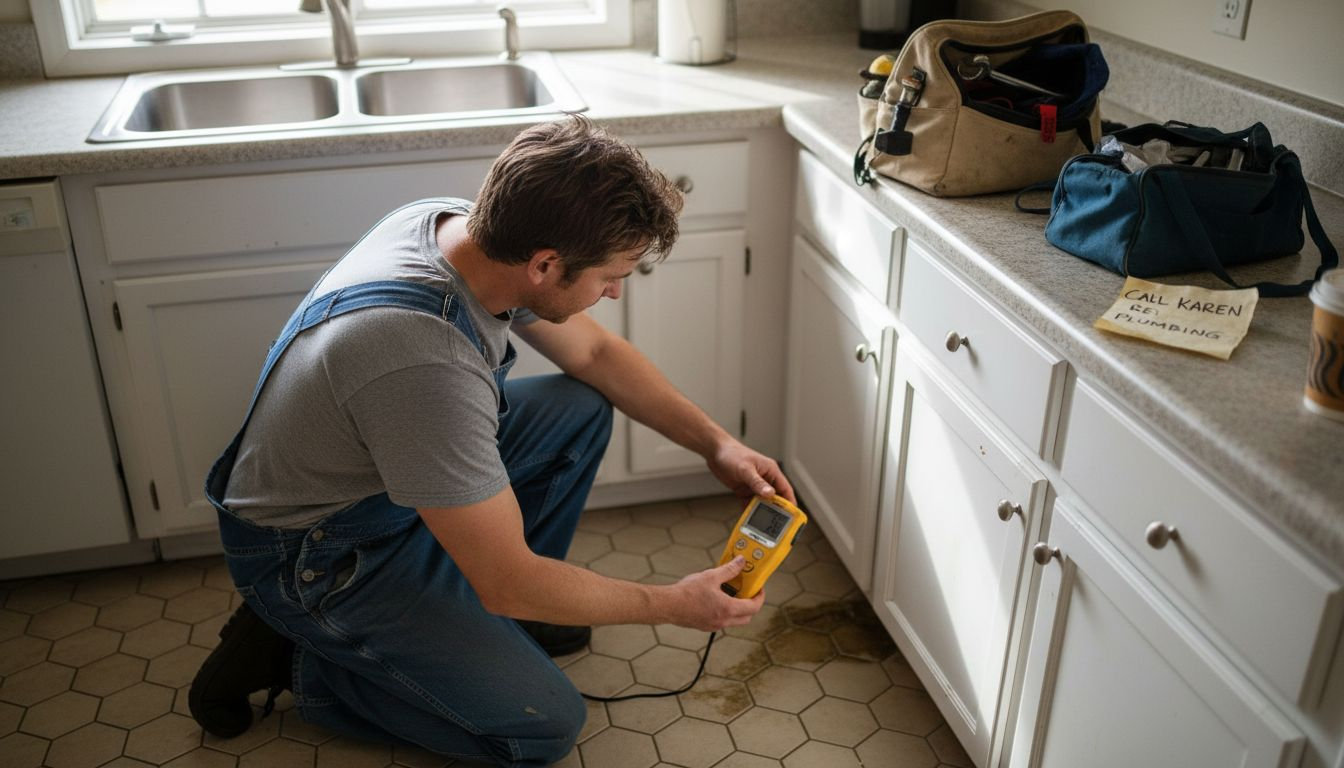
Undetected plumbing leaks can silently drain your household budget and waste precious resources. Implementing a systematic approach to leak detection helps Canadian homeowners protect their property and maintain optimal home efficiency.
Plumbing systems require consistent monitoring to prevent unexpected water damage and energy loss . Regular leak checks offer multiple critical advantages:
- Identify potential issues before they escalate
- Prevent costly water damage to home infrastructure
- Reduce unnecessary water consumption
- Lower monthly utility expenses
- Protect household investment
Small leaks can become expensive disasters if left unchecked.
Establish a comprehensive leak detection routine by following these steps:
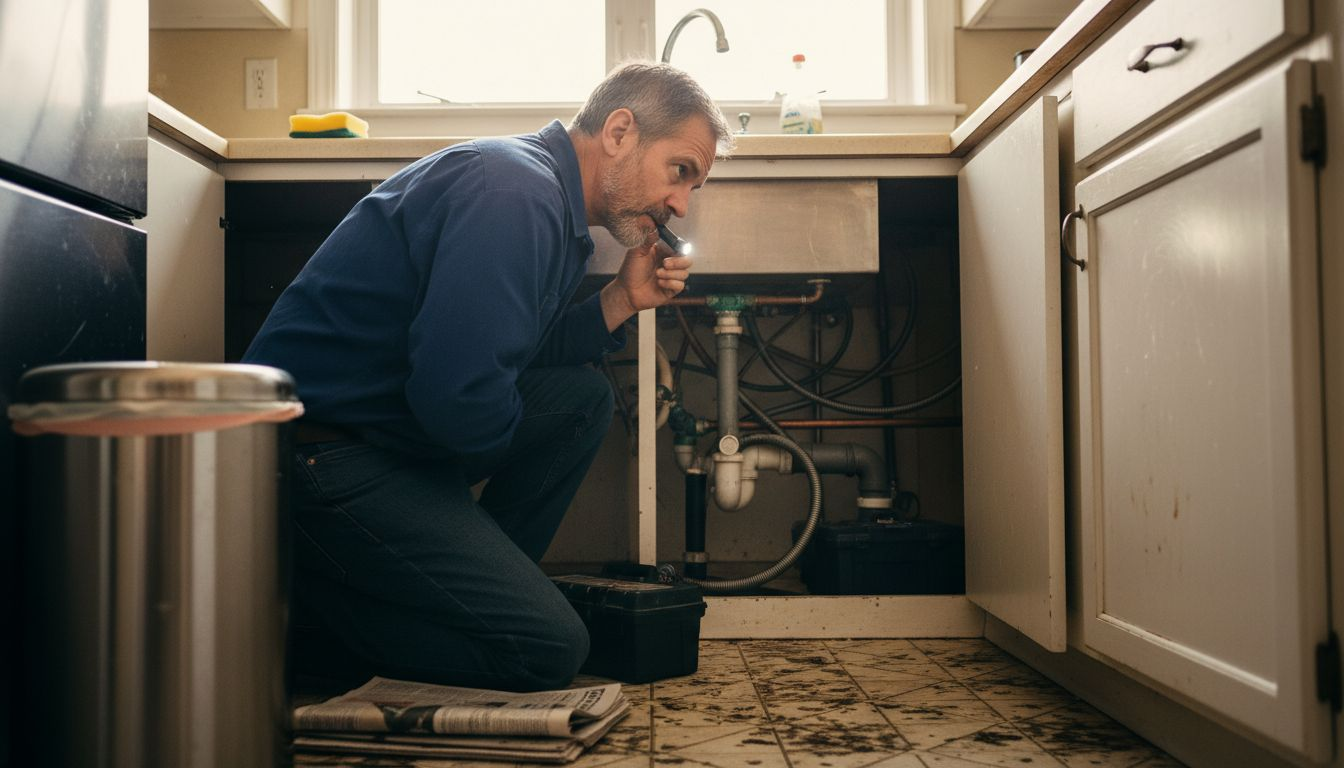
- Inspect visible pipes monthly for moisture or corrosion
- Check under sinks and around toilets for water stains
- Monitor water metre for unexpected usage changes
- Listen for running water when all fixtures are off
- Examine walls and ceilings for discolouration signs
How to fix a leaky faucet can provide additional guidance for addressing minor plumbing issues.
Pro tip: Invest in a digital water metre with leak detection capabilities to automatically monitor your home’s water usage and identify potential problems quickly.
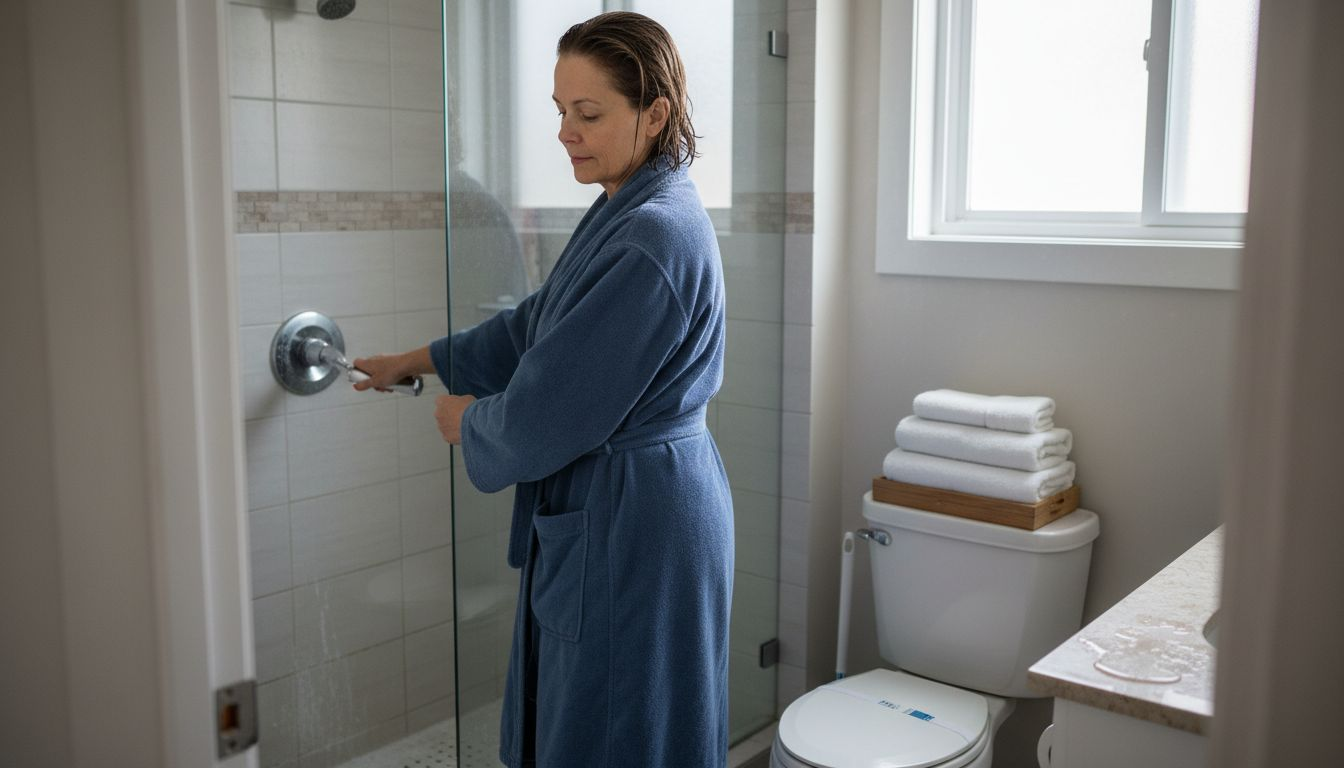
7. Optimize Shower Time to Conserve Energy and Water
Every minute matters when it comes to reducing household water and energy consumption. Canadian homeowners can significantly impact their utility costs and environmental footprint by making simple changes to their daily shower routines.
Natural Resources Canada highlights that residential water heating represents a substantial energy expense. Optimising shower time offers multiple advantages:
- Reduce hot water energy consumption
- Lower monthly utility bills
- Minimise household water waste
- Decrease overall carbon footprint
- Contribute to national energy conservation goals
Small changes in shower duration can lead to significant savings.
Implement these strategies to optimise your shower efficiency:
- Use a shower timer or waterproof clock
- Set a target shower duration of 5 minutes or less
- Turn off water while lathering or shampooing
- Choose low-flow showerheads
- Consider using a shower playlist with 3-4 minute songs
Water conservation tips can provide additional insights into reducing household water usage.
Pro tip: Install a digital shower timer with LED display that changes colour as your shower time increases to make water conservation more engaging and visual.
Below is a comprehensive table summarizing key water and energy conservation strategies for Canadian homes as discussed in the article.
| Topic | Details | Benefits |
|---|---|---|
| Fix Dripping Taps | Repair leaks by replacing components such as washers and valve seats or consult a plumber. | Reduces water waste, lowers utility bills, and prevents damages to the plumbing system. |
| Insulate Pipes | Apply foam insulation to pipes, especially near water heaters. | Minimizes heat loss, reduces energy demand, and protects pipes from freezing. |
| Upgrade to Low-Flow Fixtures | Replace existing fixtures with low-flow options such as efficient showerheads and toilets. | Decreases water consumption, reduces heating costs, and aligns with conservation efforts. |
| Use Cold Water for Laundry | Opt for cold water cycles in washing machines, complemented by suitable detergents. | Preserves fabric quality, reduces heating energy usage, and lowers greenhouse gas emissions. |
| Install Aerators on Faucets | Add aerators to existing faucets to limit water flow while maintaining pressure. | Cuts water and energy usage, meets efficiency standards, and saves on utility expenses. |
| Schedule Regular Leak Checks | Periodically inspect plumbing for any indications of leaks or moisture. | Addresses potential problems before escalation, protecting against water damage and resource wastage. |
| Optimize Shower Time | Reduce shower durations by using timers or installing low-flow showerheads. | Lowers hot water demand, conserves resources, and contributes to sustainability goals. |
Maximise Your Home’s Energy Savings with Expert Plumbing Solutions
The article highlights common challenges many Canadian homeowners face like dripping taps, inefficient fixtures, and uninsulated pipes that lead to wasted water and higher energy bills. These issues not only strain your household budget but also put unnecessary pressure on your plumbing system and the environment. If you want to turn these practical tips into lasting results, professional plumbing support is key. Whether you need to repair leaks promptly, upgrade to water-saving fixtures, or add pipe insulation, trusting an experienced team ensures your home stays efficient and protected.
At DrainWorks, we bring over 30 years of expert residential plumbing service in Toronto Ontario to help you save water and energy effectively. From fixing leaks to installing low-flow fixtures or performing thorough inspections, our trusted technicians provide clear up-front pricing and have earned top ratings like Best Plumbers in Toronto by Toronto Life Magazine. Don’t let small plumbing issues drain your wallet or your resources. Act now to safeguard your home’s comfort and efficiency by visiting DrainWorks Plumbing and explore how our reliable solutions can put you on the path to real savings today.
Frequently Asked Questions
How can I fix a dripping tap to save water and energy?
To repair a dripping tap, turn off the water supply, disassemble the tap, and replace any damaged washers or seals. Doing this can help prevent water waste of over 15,000 litres annually, ultimately lowering your utility bills.
What are the steps to insulate pipes for better energy efficiency?
Insulating pipes can help maintain hot water temperatures and reduce energy waste. Identify the pipes near your water heater, purchase foam pipe insulation, and secure it around the first 6 feet of pipes to reduce standby heat losses by 25% to 45%.
How do low-flow fixtures impact my household expenses?
Upgrading to low-flow fixtures can significantly decrease water consumption and lower monthly utility bills. Consider replacing older showerheads, faucets, and toilets with water-efficient models that help reduce overall household water use by up to 50%.
Why should I switch to cold water for laundry?
Using cold water for laundry can reduce energy consumption by up to 90% per load, leading to lower utility costs and less environmental impact. Opt for cold water detergents and avoid hot water unless washing heavily soiled items to maximise savings.
What is the best way to install aerators on faucets?
Installing aerators on faucets is simple and can lead to significant water savings. Purchase aerators that match your faucet size, remove the existing faucet tip, and screw on the new aerator to cut water consumption by up to 50% without sacrificing water pressure.
How can I perform regular leak checks in my home?
To conduct regular leak checks, inspect visible pipes, check under sinks, and monitor your water metre for unexpected changes. Create a routine to check these areas monthly, as identifying leaks early can help prevent costly water damage and conserve resources.
Recommended