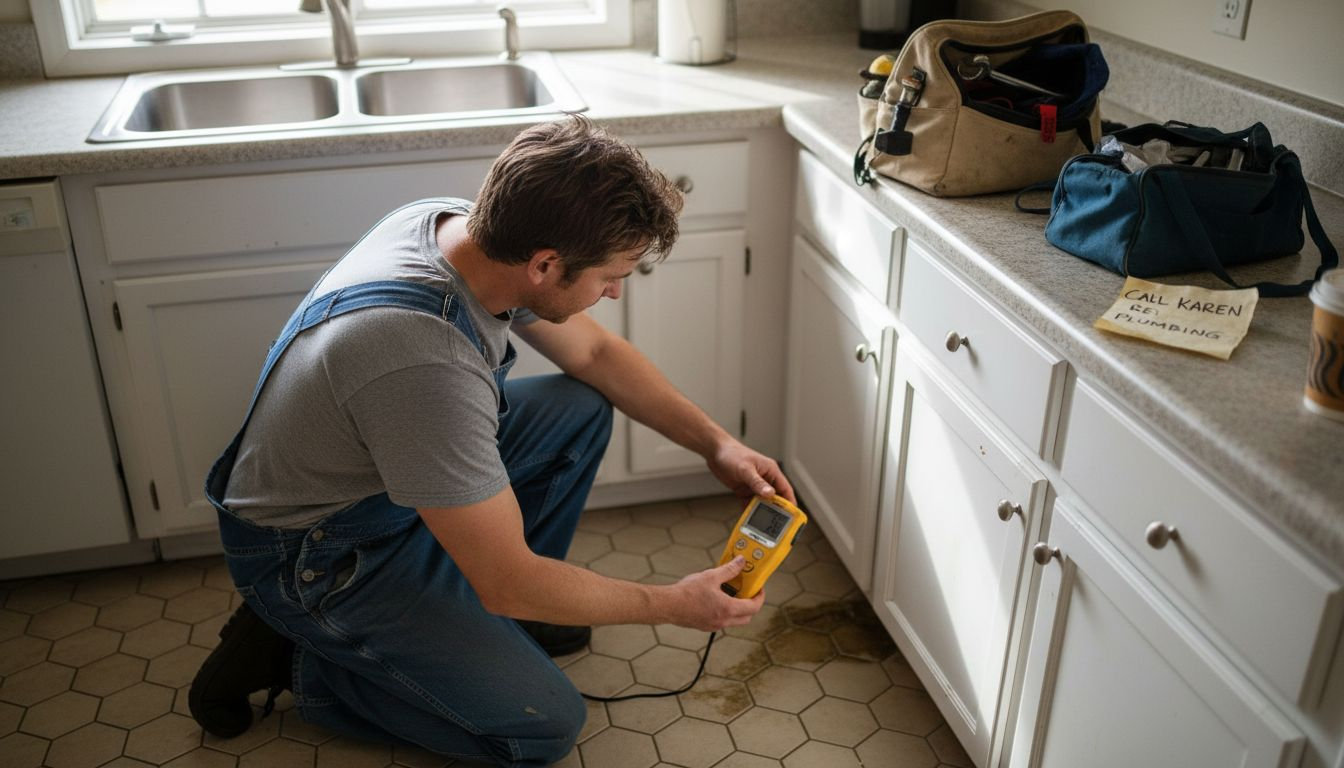

Can a Plumber Fix Frozen Pipes in Toronto Homes

Cold winter nights in Toronto and the Greater Toronto Area can leave even the most prepared homeowners facing the headache of frozen pipes. When pipes freeze, the water inside expands with enough pressure to cause cracks or a full burst, risking costly water damage and mould. Acting fast is crucial, as pipes can freeze inside at temperatures as mild as -4°C or lower. Learn how to spot trouble early, prevent freezing, and why professional help offers the safest fix when every minute counts.
Table of Contents
- Frozen Pipes Explained For Homeowners
- Types And Causes Of Frozen Pipes
- How Licensed Plumbers Fix Frozen Pipes
- Preventing Frozen Pipes In Toronto Homes
- Risks, Costs, And When To Call A Pro
Key Takeaways
| Point | Details |
|---|---|
| Prevent Frozen Pipes | Insulate vulnerable pipes, particularly those in unheated areas, to reduce the risk of freezing during winter. |
| Recognise Warning Signs | Monitor for signs of frozen pipes, such as reduced water flow or frost on pipes, to initiate prompt action. |
| Act Quickly When Issues Arise | Contact a licensed plumber immediately if you suspect frozen pipes to prevent further damage and costly repairs. |
| Optimal Maintenance Practices | Maintain a consistent home temperature and seal drafts around pipes to enhance prevention efforts against freezing. |
Frozen Pipes Explained for Homeowners
Frozen pipes happen when water inside your plumbing lines freezes solid during Toronto’s cold winters. When water freezes, it expands—similar to how ice cubes grow larger than the water that created them. This expansion creates pressure inside the pipes, and if that pressure builds enough, it can crack or burst the pipe entirely. The real danger isn’t always the frozen water itself but the damage that occurs when pipes rupture and water floods into your home’s walls, ceilings, and floors.
You might assume pipes only freeze at extreme temperatures like negative 20 degrees Celsius, but that’s not the case in Toronto homes. Pipes can freeze anywhere from around negative 4°C to negative 6°C, depending on several factors. Poor insulation plays a huge role. Pipes located near exterior walls, in unheated crawlspaces, basements, attics, or garages freeze much faster than those protected inside your home’s core. Wind chill also matters significantly—a bitterly cold day with strong winds freezes pipes faster than the same temperature on a calm day. Even pipes near drafts from windows, doors, or ventilation openings are at higher risk.
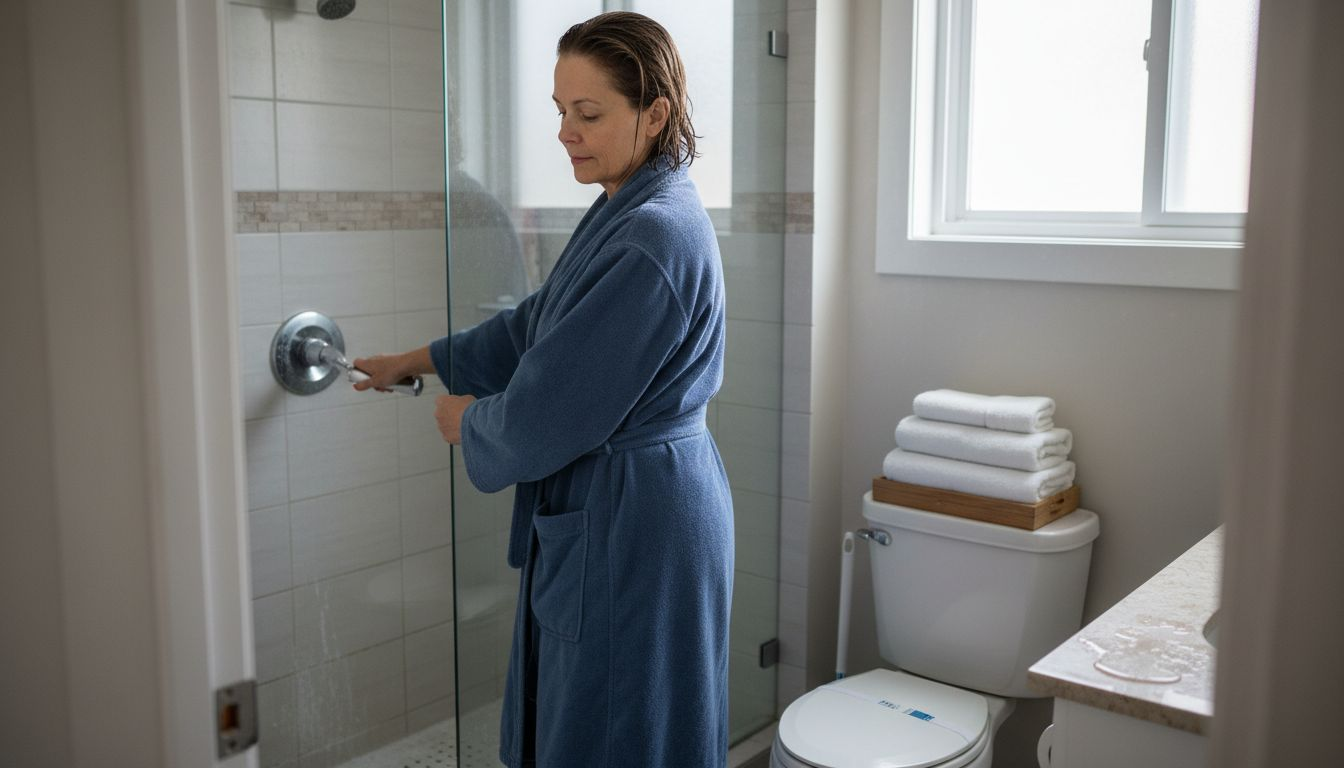
Recognising warning signs early can save you thousands in repair costs. Watch for no water flow from your taps, white frost or ice coating on visible pipes, or water stains on walls and ceilings that suggest a leak. If you notice these signs, acting quickly makes the difference between thawing a pipe and replacing it entirely. Understanding where your home’s vulnerable spots are—those exterior walls and unheated areas—helps you stay ahead of the problem.
The good news is that quick professional thawing prevents most burst pipes if you catch them in time. But prevention is always better than emergency repairs. Proper pipe insulation, sealing air leaks, and maintaining warmth in vulnerable areas stop frozen pipes before they start.
Pro tip: Locate all exposed pipes in your home before winter arrives, particularly in basements and crawlspaces, and wrap them with pipe insulation or heat tape before the first freeze.
Types and Causes of Frozen Pipes
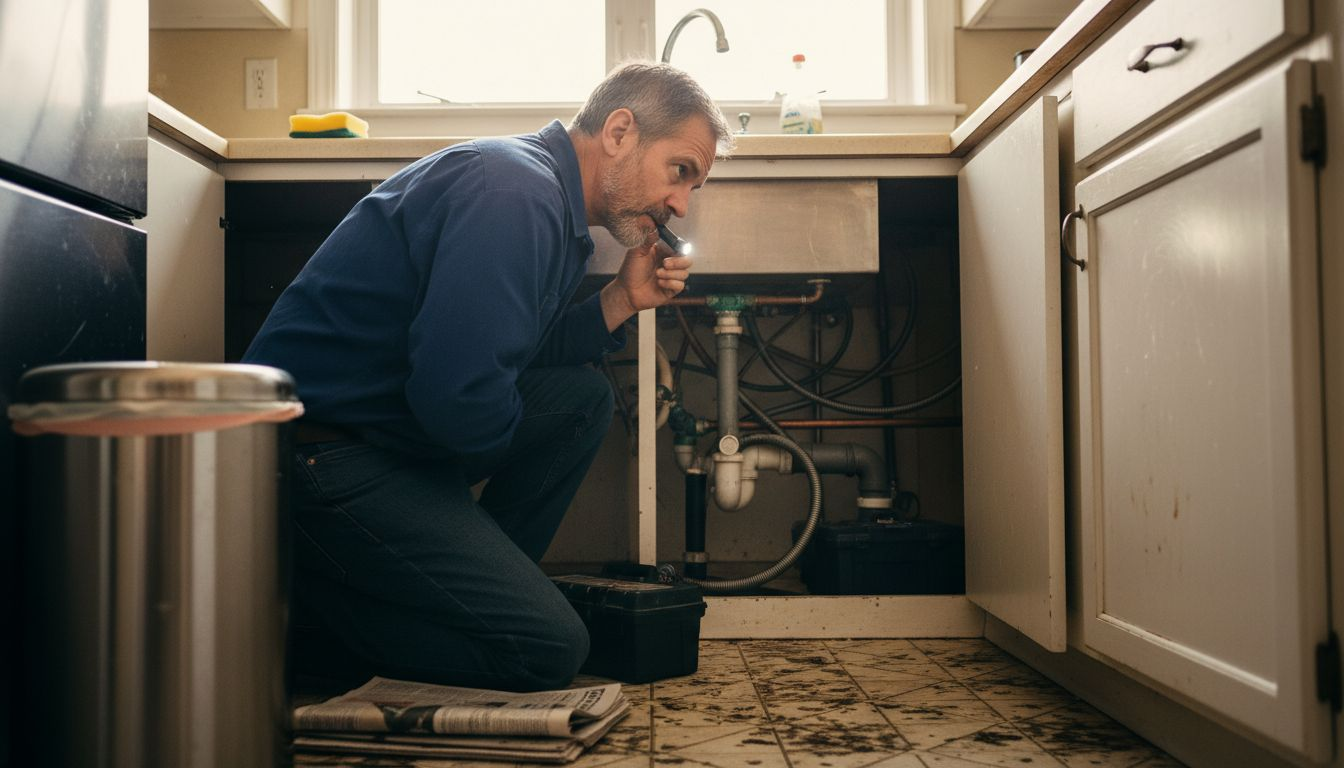
Frozen pipes don’t all freeze the same way, and understanding the different types helps you know where to look in your home. Exposed pipes in basements, crawlspaces, and attics freeze first because they sit in unheated areas with little protection from the cold. Pipes running along exterior walls are equally vulnerable since they’re surrounded by frigid outdoor air on one side and only a thin layer of insulation on the other. Water supply lines entering your home from outside face constant exposure to freezing temperatures and often lack adequate insulation. Some homeowners also deal with pipes under sinks or near windows , which freeze because cold air seeps through gaps and drafts around these areas. Each type presents its own risk, but all share one common cause: prolonged exposure to temperatures below freezing.
The root cause of frozen pipes always comes down to temperature and insulation working against you. When the temperature inside a pipe drops below freezing for several hours, the water begins to crystallise. Wind chill makes this worse—a calm day at negative 10 degrees Celsius is less risky than a windy day at negative 5 degrees because the moving air accelerates heat loss from the pipe. Poor or missing insulation accelerates freezing dramatically. Pipes wrapped in adequate insulation can survive much colder temperatures than bare metal pipes. Stagnant water also freezes faster than moving water, so pipes that don’t get regular water flow are at higher risk during cold snaps.
Location within your home determines risk level significantly. Pipes in interior walls stay warmer because they benefit from heat radiating through your home. Pipes in exterior walls freeze fastest because they lose heat to the outdoor environment. Pipes running through unheated spaces —basements, attics, garages, and crawlspaces—sit in cold air that your furnace doesn’t reach. Even the north side of your home freezes faster than the south side because it receives less sun exposure during winter. Drafty areas around electrical outlets, vents, and poorly sealed windows create cold spots where pipes freeze before elsewhere in your home.
Here’s a concise summary of factors increasing the risk of frozen pipes in Toronto homes:
| Risk Factor | Why It Matters | Common Locations |
|---|---|---|
| Poor insulation | Heat escapes easily, increasing freeze risk | Basements, crawlspaces, attics |
| Exposure to drafts | Wind chill accelerates freezing | Near windows, exterior walls, garages |
| Unheated spaces | Lack of warmth lets pipes freeze faster | Garages, exterior walls, under sinks |
| Infrequent water use | Stagnant water freezes quicker | Guest bathrooms, seasonal fixtures |
Pro tip: Before winter arrives, trace your home’s water supply lines and identify which pipes run through exterior walls or unheated spaces, then prioritise insulating these vulnerable areas first to prevent costly freeze damage and emergency plumbing calls.
How Licensed Plumbers Fix Frozen Pipes
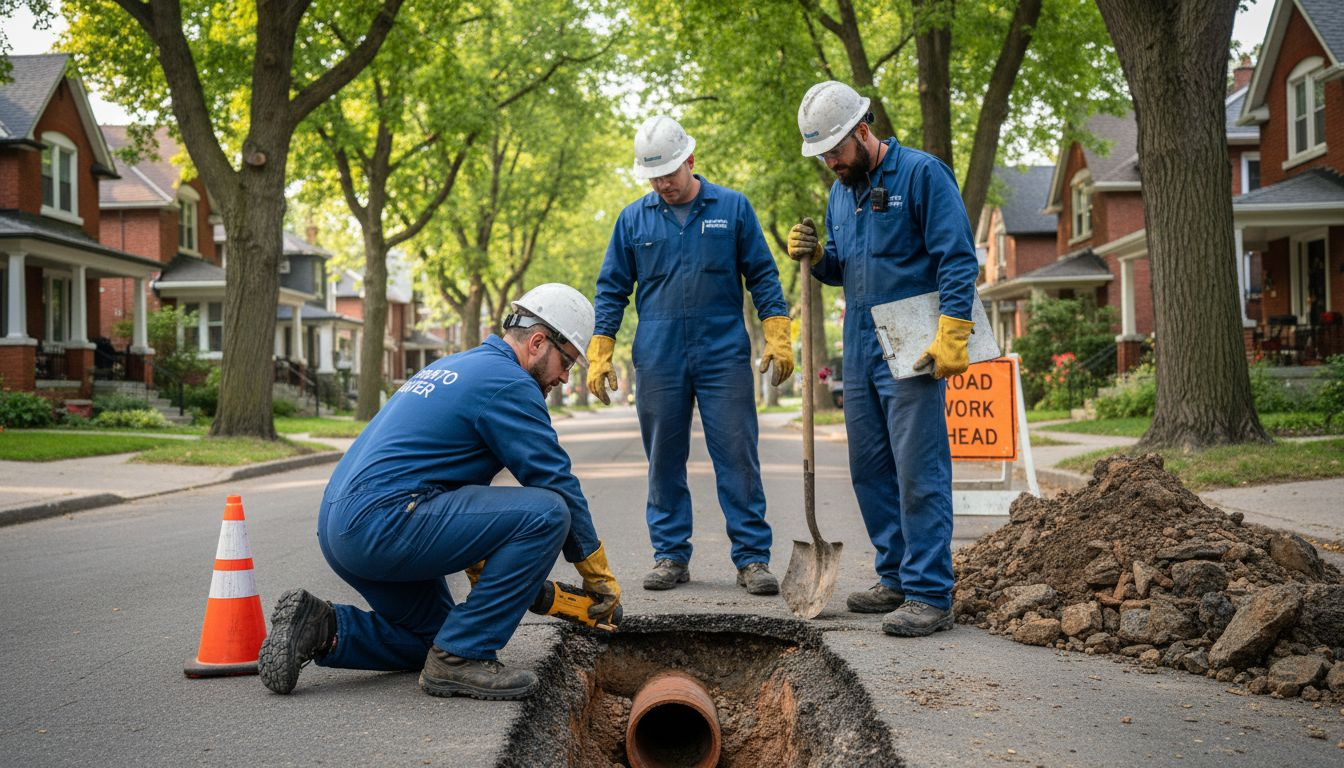
When you call a licensed plumber about frozen pipes, they arrive with a clear diagnostic process and multiple thawing methods ready to use. The first step is locating the frozen section of pipe. A plumber uses their experience to identify where the blockage likely sits by checking water pressure, inspecting exposed pipes for frost or ice, and feeling pipe temperatures with their hands. Some frozen sections are obvious—visible ice coating on a basement pipe. Others hide inside walls or underground, requiring the plumber to trace the water line and use thermal imaging or other techniques to pinpoint the exact location. This diagnosis matters because it determines which thawing method works best.
Licensed plumbers use several proven thawing techniques depending on pipe location and accessibility. Heat tape application wraps around the frozen section to slowly melt ice from the outside in. Hot water circulation pushes heated water through the pipe to thaw from inside, which works well for accessible pipes. Heat gun or torch application applies controlled heat directly to the pipe, though this requires skill to avoid damaging surrounding materials or the pipe itself. For pipes buried in walls or hard to reach, plumbers may use infrared heat lamps or steam generators that apply consistent warmth over time. The key difference between DIY attempts and professional work is that licensed plumbers know exactly how much heat each pipe material can handle. Copper pipes tolerate direct flame better than plastic pipes, and modern plumbing materials have different temperature limits. A plumber prevents damage by using appropriate methods for your specific pipe type and location.

Compare professional thawing methods used by licensed plumbers:
| Thawing Method | Best For | Limitations |
|---|---|---|
| Heat tape | Accessible exposed pipes | Must be monitored for safety |
| Hot water circulation | Larger, easy-to-access pipes | Not suitable for small or hidden |
| Heat gun or torch | Metal pipes, visible sections | Risk of damage to surroundings |
| Infrared lamp | Pipes inside walls or hard-to-reach areas | Slow to take effect, needs expertise |
After thawing the pipe, a professional assesses whether the pipe sustained damage and discusses prevention strategies with you. If the pipe cracked or burst during freezing, the plumber explains repair or replacement options. Many homeowners don’t realise that dealing with frozen pipes quickly prevents much costlier water damage down the line. Licensed plumbers also recommend insulation improvements, weatherproofing measures, or heat cable installation to prevent recurrence next winter. This forward-thinking approach saves homeowners thousands in future emergency calls.
Pro tip: Keep your plumber’s contact information accessible before winter starts, and report no water flow immediately rather than waiting to see if it resolves on its own, since early intervention prevents pipe ruptures that cause extensive water damage.
Preventing Frozen Pipes in Toronto Homes
Prevention beats emergency repairs every single time. The most effective strategy is insulating vulnerable pipes before winter arrives. Foam pipe insulation wraps around exposed pipes in basements, crawlspaces, attics, and garages, creating a thermal barrier that slows heat loss dramatically. Heat tape offers another option, especially for pipes in extremely cold locations or those that have frozen before. The key is identifying which pipes need protection first. Focus on exterior wall pipes, pipes near windows and doors, and any pipes running through unheated spaces. This targeted approach maximises your protection without spending money on pipes that rarely freeze.
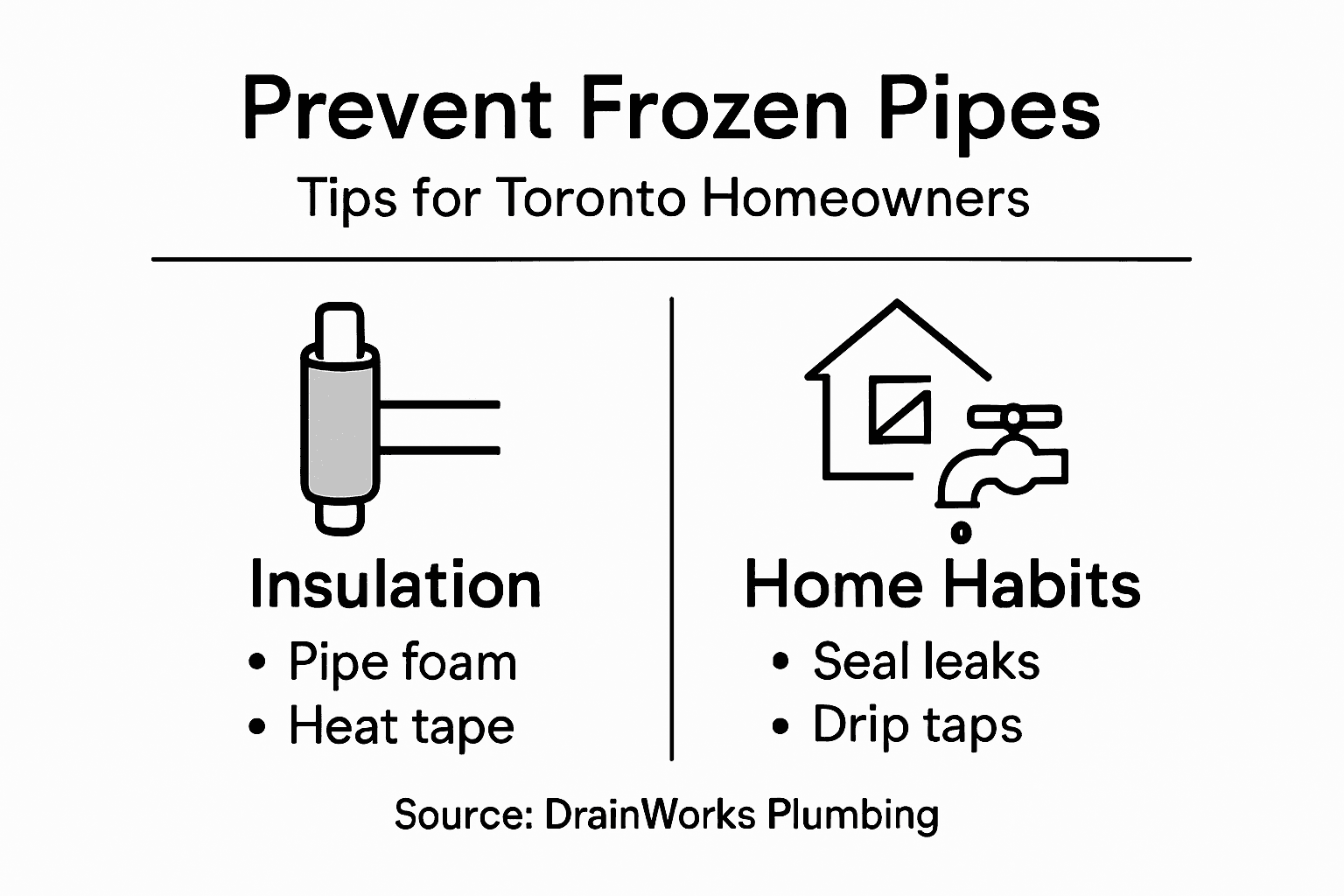
Sealing air leaks around pipes prevents cold air from finding its way to your plumbing. Walk through your home and look for gaps around pipes entering walls, spaces where utilities penetrate exterior walls, and cracks around window frames near pipes. Caulk or weatherstripping closes these gaps and blocks drafty air. Equally important is maintaining consistent heat throughout your home, even when you’re away during winter. Keep your furnace running at a reasonable temperature, open cabinet doors under sinks to allow warm air circulation around pipes, and never let your home temperature drop below 12 degrees Celsius. If you’re leaving your home for an extended period, ask someone to check on it periodically rather than turning off heating entirely.
Simple habits make a surprising difference. Let your taps drip slowly during the coldest nights. Moving water freezes much slower than stagnant water, so even a trickle from your faucets reduces freezing risk. Drain and disconnect outdoor hoses before the first freeze. Hoses left attached to outdoor taps trap water that expands and damages both the hose and the tap. Disconnect interior hoses from faucets too. Before winter, shut off water to outdoor hose bibs and drain them completely. Consider upgrading to frost-proof hose bibs that have shut-off valves inside the home, preventing water from freezing in the exterior portion. Professional plumbers can assess your home’s specific vulnerabilities and recommend winter plumbing preparation steps tailored to your situation.
Pro tip: Schedule a professional inspection in September or October to identify all vulnerable pipes and complete insulation work before the first hard freeze, rather than scrambling when temperatures drop unexpectedly.
Risks, Costs, and When to Call a Pro
Frozen pipes aren’t just an inconvenience. They represent a genuine threat to your home’s structural integrity and your wallet. A single burst pipe can leak hundreds to thousands of litres of water per day, causing damage that spreads far beyond the initial break. Water seeps into walls, saturates insulation, warps flooring, and damages drywall. Once water infiltrates these spaces, mould growth becomes a serious concern within 24 to 48 hours. Mould remediation costs can easily reach thousands of dollars, and some mould types pose health risks to your family. Beyond visible water damage, frozen pipes that burst can compromise your home’s foundation, damage electrical systems, and create conditions for future structural problems. The longer a burst pipe leaks undetected, the more extensive and expensive the damage becomes.
Cost estimates vary dramatically depending on severity, but even minor frozen pipe incidents run into significant expense. A simple thawing call from a licensed plumber costs between $290 and $440 for same-day service. If the pipe bursts and requires replacement, costs jump to $500 to $2,000 or more depending on pipe location and material. Water damage restoration, including drying, dehumidification, and mould remediation, frequently exceeds $5,000. Insurance claims for water damage sometimes carry deductibles of $500 to $1,000, and repeated claims can increase your premiums. The financial stakes are high enough that prevention spending of $200 to $500 on pipe insulation becomes an obvious investment.
Call a professional plumber immediately if you notice reduced water flow, frost buildup on visible pipes, or no water coming from certain taps. Don’t wait to see if it resolves on its own. Early intervention prevents burst pipes and water damage. Licensed plumbers have the equipment, expertise, and speed to thaw frozen sections safely without causing additional damage. They also inspect your plumbing after thawing to identify whether cracks occurred and recommend prevention upgrades. On weekends or after hours, if you suspect a burst pipe, shut off the main water valve to prevent continuous leaking until morning, then call for emergency service. At DrainWorks Plumbing, we offer same day emergency plumbing services between 8am and 7pm to handle these urgent situations quickly.
Pro tip: Keep your main water shut-off valve location marked and accessible so you can stop water flow immediately if a pipe bursts, then call a licensed plumber without delay rather than attempting DIY thawing that could cause more damage.
Protect Your Toronto Home from Frozen Pipe Disasters with DrainWorks Plumbing
Frozen pipes can cause serious damage that impacts your home and wallet. The pressing pain points you face include sudden water stoppages, hidden pipe cracks, and costly burst repairs. You want to prevent pipes freezing in exterior walls, basements, or crawlspaces where poor insulation and cold drafts worsen the risk. Acting quickly to thaw frozen pipes or better yet, preventing them outright, saves you from expensive water damage and mold growth.
At DrainWorks Plumbing, we understand the urgency and complexity of frozen pipe problems in Canadian winters. With over 30 years of trusted experience, we provide fast, same-day service between 8 am and 7 pm to safely thaw frozen pipes using proven methods suited to your home’s unique needs. We also help prevent future freeze risks by installing pipe insulation and sealing drafts. Our clear up-front pricing and award-winning professionalism give you confidence and peace of mind during cold months. Visit DrainWorks Plumbing to learn how to safeguard your plumbing or schedule service today.

Don’t wait for pipes to burst or water to flood your home. Protect your investment by contacting us now for expert frozen pipe repair and prevention. Explore expert insights on how to deal with frozen pipes in Toronto and practical tips to prevent frozen pipes. Reach out to DrainWorks Plumbing and keep your home warm and water flowing this winter.
Frequently Asked Questions
Can a plumber fix frozen pipes?
Yes, a licensed plumber can effectively fix frozen pipes by identifying the frozen section and using various thawing techniques to prevent damage.
What should I do if I suspect my pipes are frozen?
If you suspect your pipes are frozen, it’s essential to call a professional plumber immediately rather than waiting to see if the issue resolves, as early intervention can prevent pipe ruptures and water damage.
How do plumbers find frozen pipes?
Plumbers locate frozen pipes by checking water pressure, inspecting exposed pipes for frost or ice, and feeling pipe temperatures, using techniques like thermal imaging for hidden pipes.
What are the common methods plumbers use to thaw frozen pipes?
Common methods include applying heat tape, circulating hot water through the pipes, using heat guns or torches, and employing infrared lamps for hard-to-reach sections.
Recommended