
Tree Roots in Sewer Line Cost – Toronto Homeowner Impact
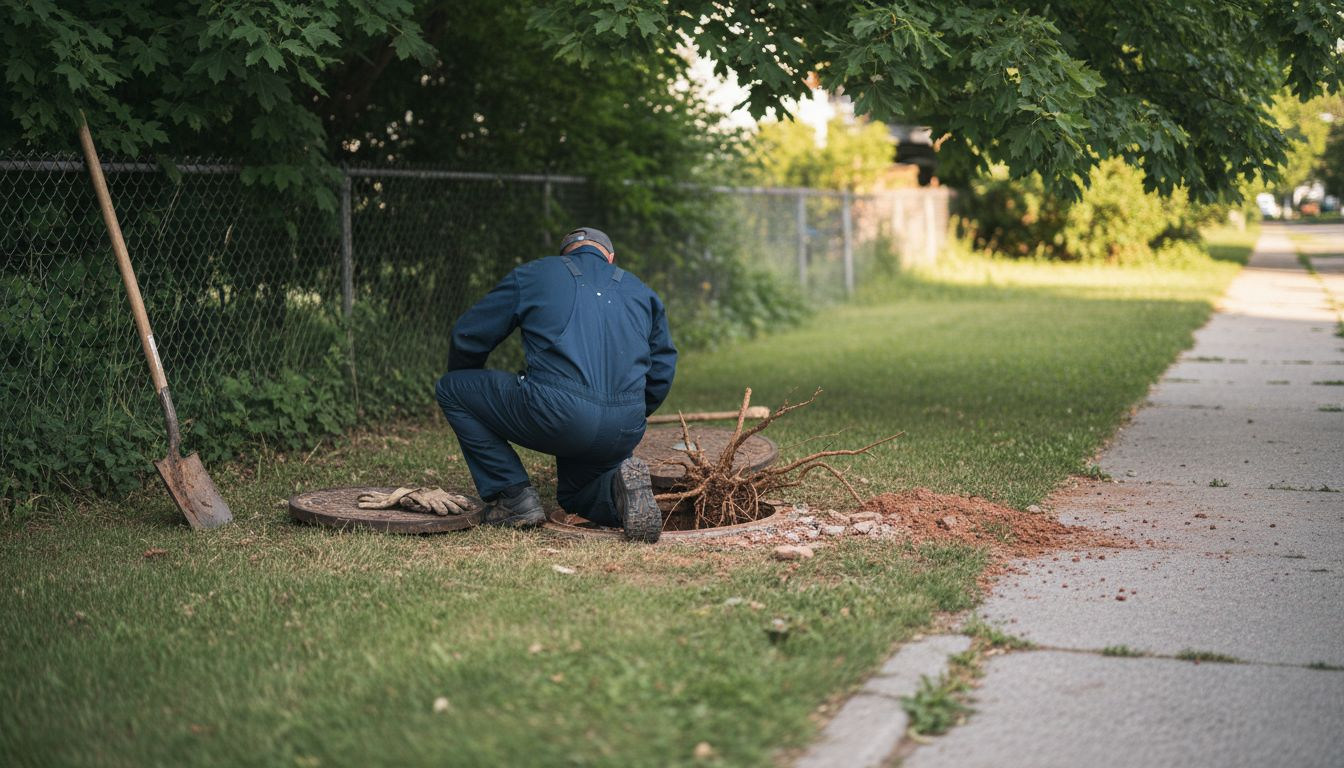
Sewage backing up into your basement or slow drains in more than one room can make any Toronto homeowner uneasy, especially if mature trees line your street. Tree roots often find their way into older or cracked sewer pipes, causing blockages that worsen over time and lead to expensive repairs. Understanding the risks of root intrusion and spotting warning signs early helps you protect your home from sudden plumbing disasters while making informed decisions about local plumbing solutions with clear, upfront pricing.
Table of Contents
- What Are Tree Roots in Sewer Lines?
- How Roots Invade and Affect Sewer Pipes
- Signs and Types of Root Blockages
- Removal Methods and Repair Solutions
- Actual Costs for Toronto Homeowners
- City Rebates and Long-Term Prevention
Key Takeaways
| Point | Details |
|---|---|
| Tree Root Invasion Risks | Tree roots, particularly from species like Willow and Maple, can invade sewer lines, leading to significant plumbing issues in urban areas like Toronto. |
| Signs of Blockages | Homeowners should be vigilant for symptoms such as slow drainage, gurgling sounds, and unexpected wet spots, indicating potential root blockages. |
| Effective Removal Methods | Techniques such as hydro-jetting and snaking treatments can effectively clear roots, but preventative measures and regular inspections are crucial for long-term management. |
| Cost Considerations | Repair costs for root-related sewer damage can range widely, from several hundred to tens of thousands of dollars, depending on the severity of the invasion and required interventions. |
What Are Tree Roots in Sewer Lines?
Tree roots in sewer lines represent an underground invasion that can wreak havoc on your home’s plumbing infrastructure. These opportunistic root systems seek moisture and nutrients, making old sewer pipes prime targets for infiltration and damage. In Toronto’s urban landscape, where mature trees are common, this problem is particularly prevalent.
Root intrusion begins when microscopic root tendrils detect water vapour escaping through tiny cracks or loose pipe connections. Over time, these roots grow inside the pipes, creating complex networks that block water flow, crack pipe walls, and potentially cause complete sewer line failure. Species like Willow, Maple, and Oak are especially aggressive, with root systems that can extend far beyond their visible canopy.
The mechanism of root invasion is both fascinating and destructive. Tree roots naturally seek water sources, and municipal sewer lines provide an ideal environment: consistent moisture, nutrients, and warmth. Small root hairlets can penetrate pipe joints, microscopic cracks, or even slightly misaligned pipe sections. Once inside, these roots expand, creating blockages that trap debris and eventually lead to significant plumbing problems.
Potential Root Invasion Consequences:
Here’s a quick reference comparing common tree species and their typical risk for sewer line invasion in Toronto:
| Tree Species | Root Aggression Level | Typical Distance Roots Spread |
|---|---|---|
| Willow | Very high | Up to 30 metres |
| Maple | High | 15–25 metres |
| Oak | High | 20–30 metres |
| Birch | Moderate | 10–15 metres |
| Spruce | Low | 5–10 metres |
- Complete pipe blockage
- Sewage backups into home
- Structural pipe damage
- Expensive repair costs
- Potential foundation issues
Pro tip: Schedule annual sewer line camera inspections to catch root intrusions early before they cause extensive damage.
How Roots Invade and Affect Sewer Pipes
Tree roots are master infiltrators, constantly seeking moisture and nutrients in underground environments. In Toronto’s urban landscape, where decades-old sewer infrastructure meets mature tree ecosystems, root invasion becomes a significant plumbing challenge. These microscopic root tendrils can penetrate existing pipe vulnerabilities through tiny cracks, loose joints, or deteriorating pipe connections.

The invasion process follows a predictable pattern driven by biological necessity. Roots detect water vapour escaping from pipes and gradually extend hairlike structures into these openings. Once inside, they encounter an ideal growth environment: consistent moisture, moderate temperatures, and abundant nutrients. Clay and concrete pipes remain particularly susceptible, with their porous materials and potential structural weaknesses providing easy entry points for aggressive root systems.
Different tree species demonstrate varying levels of root aggression. Native Canadian trees like Maple, Oak, and Willow possess especially complex underground networks that can extend far beyond their visible canopy. These root systems can grow several metres horizontally, creating intricate pathways that intersect with municipal sewer infrastructure. The potential damage ranges from minor blockages to complete pipe structural failure, potentially costing homeowners thousands in repair expenses.
Primary Root Invasion Mechanisms:
- Detecting pipe moisture through microscopic cracks
- Extending root hairlets into pipe joints
- Expanding and branching within pipe interiors
- Creating progressive blockages
- Potentially causing structural pipe damage
Potential Sewer Line Consequences:
- Reduced water flow
- Complete pipe blockage
- Sewage backup risks
- Potential foundation damage
- Expensive repair requirements
Pro tip: Conduct annual sewer camera inspections to identify root intrusions early and prevent extensive infrastructure damage.
Signs and Types of Root Blockages
Root blockages in sewer lines represent a hidden menace that can develop silently before manifesting dramatic plumbing symptoms. Homeowners might first notice subtle warning signs like unusual drain behaviours that gradually escalate into more serious infrastructure challenges. These invasive root systems create complex blockage patterns that range from minor obstructions to complete sewer line failures.
The progression of root blockages typically follows predictable stages. Initial infiltration begins with microscopic root tendrils entering through tiny pipe cracks or loose joints. These roots gradually expand, creating intricate networks that trap debris, toilet paper, and organic matter. As roots grow, they form increasingly dense root balls that progressively reduce pipe diameter, ultimately restricting or completely blocking water and sewage flow. Clay and concrete pipes remain most vulnerable, with their porous materials offering multiple entry points for aggressive root systems.
Different blockage types emerge depending on root invasion extent and pipe material. Partial blockages allow limited water flow but create significant pressure and potential pipe damage. Complete blockages result in total sewage backup, potentially forcing waste into home fixtures or creating underground seepage. Experienced plumbers classify root intrusions into several categories: hairline root penetration, moderate root growth, dense root masses, and structural root invasion that compromises entire pipe integrity.
Common Root Blockage Warning Signs:
- Slow drainage in multiple household fixtures
- Gurgling sounds from toilets and drains
- Recurring sewage backups
- Unexplained foul odours near drain areas
- Sudden drops in water pressure
- Unexpected wet spots in yard
Root Blockage Complexity Levels:
- Minimal root infiltration
- Moderate root network development
- Extensive root blockage
- Structural pipe damage
Pro tip: Schedule professional sewer camera inspections annually to detect and address root intrusions before they cause catastrophic pipe damage.
Removal Methods and Repair Solutions
Sewer line root removal requires a multi-faceted approach that combines immediate intervention with long-term preventative strategies. Professional plumbers in Toronto typically employ sophisticated root removal techniques designed to address varying degrees of root intrusion, ranging from minimal infiltration to extensive pipe damage.
Mechanical Removal Techniques represent the most immediate solution for root blockages. Hydro-jetting stands out as a powerful method, using high-pressure water streams to cut through and flush out root masses. Mechanical root cutting tools, including specialized rotating blades, can precisely remove root structures without completely excavating pipe systems. These techniques provide temporary relief but do not permanently prevent future root growth.
Root Removal Method Comparison:
- Hydro-jetting
- Immediate root clearing
- High-pressure water technique
- Minimal pipe damage
- Mechanical Root Cutting
- Precision removal
- Temporary solution
- Requires professional equipment
- Drain Replacement
- Impermeable to root intrusion
- Requires experienced team
- Permanent solution
Preventative Strategies:
- Plant trees far from sewer lines
- Install root barriers
- Use less aggressive tree species
- Conduct regular pipe inspections
- Maintain proper soil moisture
Pro tip: Consider creating a 3-metre buffer zone between large trees and your home’s sewer infrastructure to minimise potential root invasion risks.
Below is a summary of sewer root removal and repair options with their respective durability and landscape impact:
| Removal Method | Durability of Solution | Landscape Disruption |
|---|---|---|
| Hydro-jetting | Short-term | None |
| Mechanical rooting | Short-term | None |
| Chemical treatments | Medium-term | Low |
| Partial pipe replacement | Long-term | Minimal |
| Full pipe replacement | Permanent | Significant |
Actual Costs for Toronto Homeowners
Root-related sewer line damages can inflict significant financial strain on Toronto homeowners, with repair costs ranging dramatically based on invasion complexity and required intervention. Drain cleaning services represent just the initial stage of potential expenditures, with comprehensive root removal and pipe restoration potentially escalating into thousands of dollars.
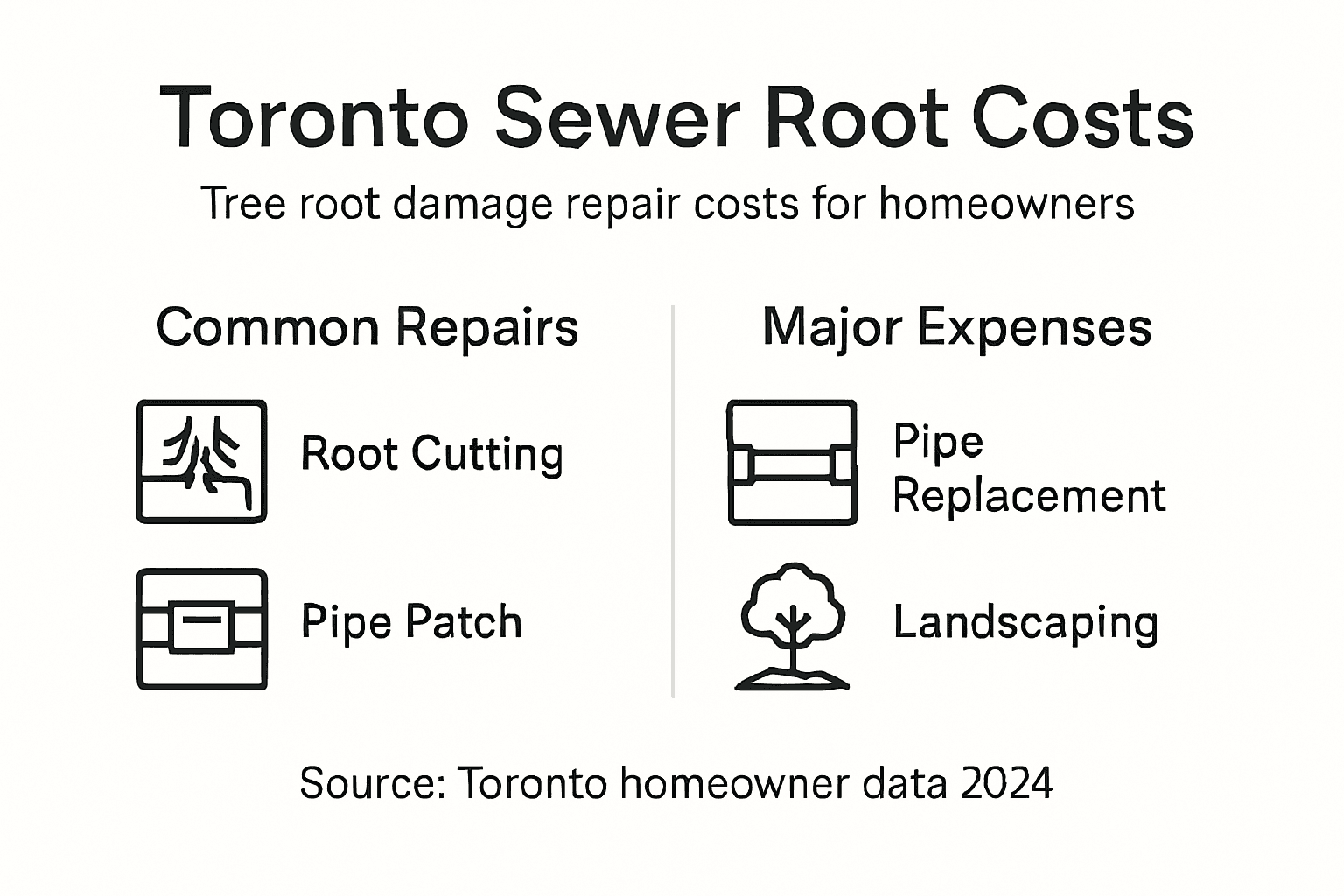
The financial impact of root intrusion varies considerably across different scenarios. Minor root infiltrations might require modest interventions costing between $300 and $2000, typically involving hydro-jetting or mechanical root cutting. More extensive damage necessitating complete sewer lateral replacement can surge to $2,000 to $25,000, particularly in older Toronto neighbourhoods with aging infrastructure. Factors like pipe material, root density, and accessibility significantly influence overall repair expenses.
Homeowners should anticipate a nuanced cost breakdown that considers multiple potential interventions. Emergency root removal might demand immediate professional attention, while preventative maintenance can mitigate long-term financial risks. Complex root systems potentially compromising structural pipe integrity represent the most expensive scenario, potentially requiring trenchless pipe replacement or complete excavation and reconstruction of sewer lines.
Cost Ranges for Root-Related Sewer Repairs:
- Basic root cutting: $300 - $500
- Hydro-jetting treatment: $1200 - $2,000
- Partial sewer lateral replacement: $2,000 - $5,000
- Extensive root damage with full excavation: $10,000 - $25,000
Factors Influencing Repair Costs:
- Pipe material
- Root invasion extent
- Accessibility of sewer line
- Required intervention technique
- Local labour rates
- Underground infrastructure complexity
Pro tip: Invest in annual sewer camera inspections to catch root intrusions early and potentially save thousands in extensive repair costs.
City Rebates and Long-Term Prevention
Toronto homeowners facing tree root infrastructure challenges have several municipal support mechanisms and strategic prevention approaches to mitigate potential sewer line damages. Exploring maintenance programs can significantly reduce long-term repair expenses and protect residential plumbing systems from costly root intrusions.
Municipal incentive programs in the Greater Toronto Area provide targeted financial assistance for homeowners managing sewer lateral repairs. The Basement Flooding Protection Subsidy Program offers partial rebates for qualifying property owners undertaking preventative maintenance or necessary infrastructure upgrades. These programs typically cover a percentage of repair costs, encouraging proactive approaches to underground utility management and reducing overall municipal infrastructure strain.
Home Plumbing Assessment - Up to $500 Subsidy
Two Backwater Valves (maximum) - Up to $1600 per device
Sump Pump - Up to $2250
Sump Pump Battery Backup Power - Up to $300
Foundation drain (weeping tile) pipe severance and capping - Up to $400
Long-term prevention strategies extend beyond financial incentives, requiring comprehensive homeowner engagement. Strategic landscaping plays a crucial role in minimizing root invasion risks. Recommendations include planting less aggressive tree species, maintaining appropriate distances between trees and sewer lines, and implementing root barrier technologies. Professional arborists and municipal urban planning guidelines can provide specific guidance tailored to Toronto’s unique environmental conditions.
Preventative Strategies:
- Install root barriers
- Choose less invasive tree species
- Maintain 3-metre tree distance from sewer lines
- Conduct annual pipe camera inspections
- Monitor soil moisture levels
- Use mechanical root deterrent systems
Financial Mitigation Approaches:
- Research municipal rebate programs
- Investigate home insurance root damage coverage
- Budget for periodic preventative maintenance
- Consider long-term infrastructure protection plans
Pro tip: Contact your local municipal water services department to confirm current rebate eligibility and schedule a plumber for a comprehensive sewer line assessment.
Protect Your Toronto Home from Costly Tree Root Sewer Damage
Tree roots invading your sewer line can cause serious damage and unexpected expenses that no homeowner wants to face. The article highlights how root intrusion leads to blockages, pipe damage, and expensive repairs. If you notice slow drains, foul odours, or backups, these could be signs of root blockage needing immediate attention. With DrainWorks Plumbing’s over 30 years of trusted experience serving Toronto homeowners, we understand these challenges and offer expert solutions including sewer camera inspections to detect root issues early and hydro jetting services that clear blockages effectively without unnecessary digging.

Don’t wait until small root problems turn into costly sewer line failures. Act now by contacting DrainWorks Plumbing for a professional assessment and reliable root removal services. Our licensed technicians provide upfront pricing with no hidden fees, ensuring peace of mind throughout the process. Protect your home, save on repairs, and maintain your plumbing with the experts praised as The Best Plumbers in Toronto. Visit us today at DrainWorks Plumbing and schedule your inspection before root damage grows worse.
Frequently Asked Questions
What are the signs of tree roots invading sewer lines?
Common signs include slow drainage in multiple fixtures, gurgling sounds from drains and toilets, recurring sewage backups, foul odours near drains, drops in water pressure, and unexpected wet spots in the yard.
How much does it cost to remove tree roots from sewer lines?
Costs vary depending on the extent of root intrusion. Basic root cutting can range from $300 to $1,500, while complete sewer lateral replacement can escalate to $5,000 to $15,000 or more depending on the damage and repair methods needed.
What methods are available for removing tree roots from sewer pipes?
Common methods include hydro-jetting for immediate clearing, mechanical root cutting for precision removal, chemical treatments for targeted elimination, and trenchless pipe replacement for long-term solutions without extensive landscaping disruption.
How can homeowners prevent tree roots from invading their sewer lines?
Preventative strategies include planting trees at least 3 metres away from sewer lines, using less aggressive tree species, installing root barriers, conducting regular sewer inspections, and maintaining proper soil moisture levels.
Recommended